Blood Glucose Monitor

Date:2025-01-09 Views:364

Battery Applications in Blood Glucose Monitors

Blood glucose monitors (BGMs) are portable medical devices that require batteries with long lifespan, stability, and safety. Below are the commonly used battery types and their application details:


1. Common Battery Types

(1) Lithium Coin Batteries

  • Models: CR2032 (3V), CR2025 (3V)
  • Features:
    • Long Lifespan: Supports ~1,000 measurements (varies by model) with 1–2 years of standby time.
    • Stability: Minimal voltage fluctuation (±0.1V) ensures measurement accuracy.
    • Low-Temperature Performance: Operates reliably at -20°C, suitable for home or outdoor use.
  • Compatible Devices: Roche Accu-Chek series, OneTouch models.

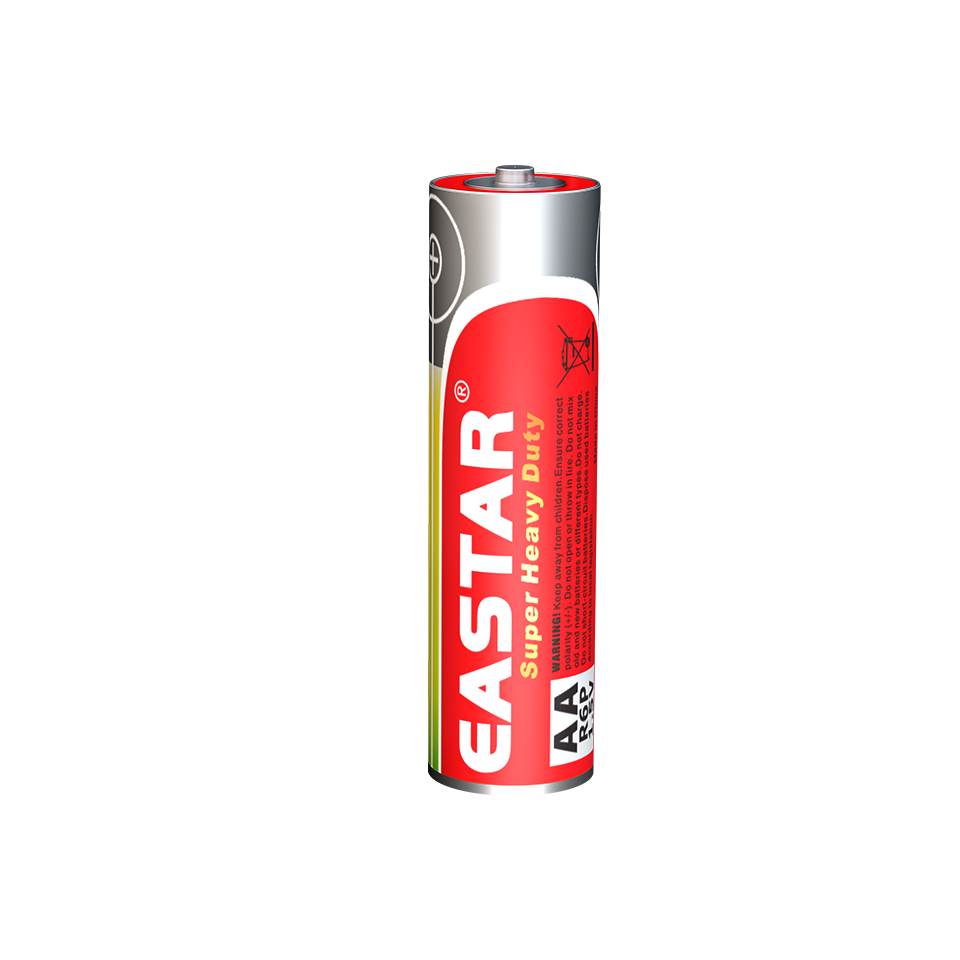
(2) Alkaline Batteries

  • Models: AAA (1.5V), AA (1.5V)
  • Features:
    • Low Cost: Affordable (~$0.15–0.30 per unit) for high-frequency users.
    • Easy Replacement: Widely available in stores.
    • Limited Capacity: Supports ~300–500 measurements (requires regular replacement).
  • Compatible Devices: Abbott FreeStyle Lite, Bayer Contour Next.

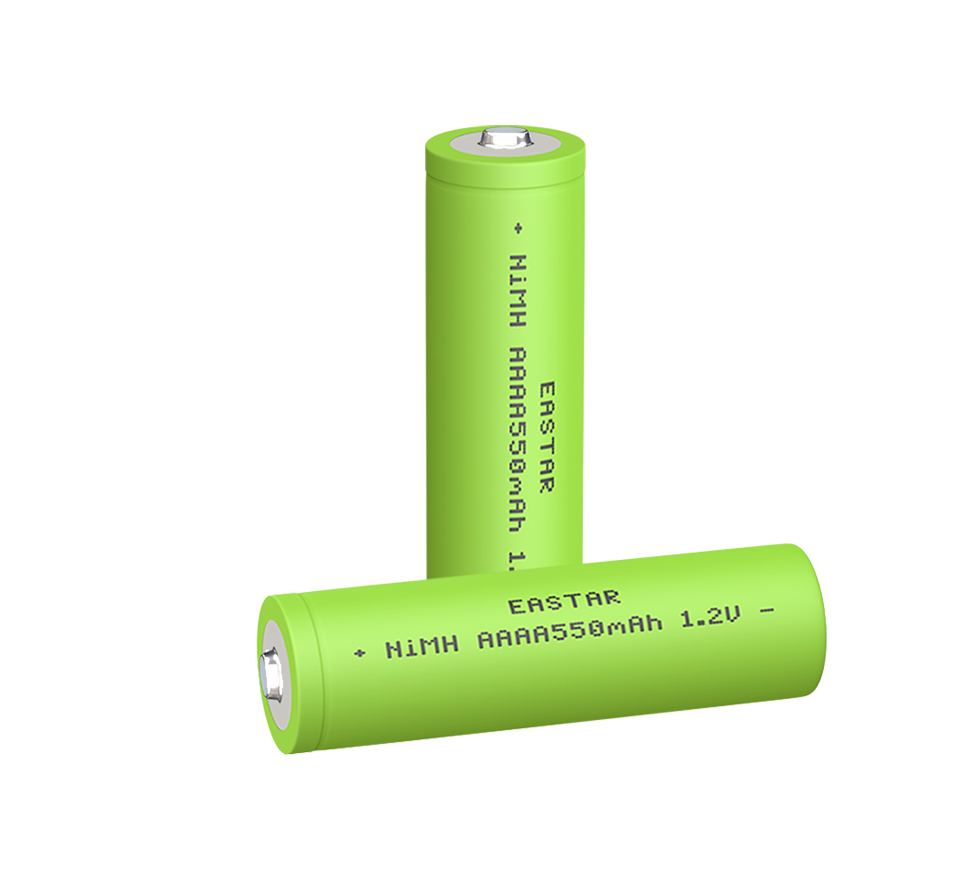
(3) Rechargeable Lithium Batteries

  • Models: Custom Li-Po batteries (3.7V)
  • Features:
    • Eco-Friendly: USB-rechargeable, reducing disposable battery waste.
    • High Integration: Ideal for smart devices with Bluetooth/data sync.
  • Compatible Devices: Dexcom G6, FreeStyle Libre 3 (integrated CGM systems).


2. Key Battery Requirements


  • Low Self-Discharge: <5% annual self-discharge rate (e.g., CR2032: ~1%/year).
  • Leakage Prevention: Sealed design or gold-plated contacts to avoid electrolyte leaks.
  • EMI Shielding: Shielding to prevent electromagnetic interference with glucose signals.


3. Replacement & Maintenance Tips


  1. Replacement Intervals:
    • Coin Batteries: 1–2 years (or when "low battery" alerts appear).
    • Alkaline Batteries: 3–6 months (shorter for frequent use).
  2. Storage: Avoid high temperatures (>40°C) and humidity.
  3. Disposal:
    • Coin Batteries: Recycle as hazardous waste (lithium content).
    • Alkaline Batteries: Check local regulations (some regions allow trash disposal).


4. Future Trends


  • Energy Harvesting: Micro-charging via touchscreens or body heat (experimental).
  • Battery-Free Designs: Biofuel cells using glucose enzymes (e.g., MIT prototypes).
  • Smart Power Management: AI algorithms to optimize energy use based on usage patterns.