Home > News >

Why Do Battery Prices Fluctuate? What Affects the Cost?

Editorial:EASTAR BATTERY Date:2025-07-08 Views:1220
Battery prices don't stay constant — they rise and fall due to a range of global and technical factors. Whether you're sourcing dry batteries like AA or lithium-ion cells for industrial applications, understanding these fluctuations can help you plan better and negotiate smarter.

Here are the main factors affecting battery pricing in 2025:


1. 📉 Raw Material Prices

Battery production depends on key raw materials, such as:

  • Lithium (used in Li-ion batteries)

  • Nickel, cobalt, manganese (for NCM/NCA chemistries)

  • Zinc, carbon, manganese dioxide (for alkaline/dry batteries)

In early 2025, lithium prices fell by nearly 20%, but demand surged by 29% YoY due to growth in EVs and storage systems (source: InvestingNews.com).
This mismatch between material price and global demand creates short-term cost fluctuations.


2. ⚙️ Production Costs & Capacity Utilization

Manufacturers'costs vary depending on:

  • Factory automation level

  • Regional labor costs (e.g., China, Vietnam, India)

  • Capacity utilization (factories running under capacity = higher cost/unit)

In 2025, many lithium battery factories face overcapacity, which pushes suppliers to cut prices — but smaller or less efficient plants still maintain higher cost baselines.


3. 🚢 Shipping and Logistics

Global freight charges have normalized compared to 2021–2022 peaks, but:

  • Air shipment of lithium batteries remains costly due to strict IATA regulations

  • Fuel price volatility and container shortages (especially in Southeast Asia) can drive up prices unpredictably

  • For dry batteries (heavy, low unit value), sea freight cost is a major factor in total landed price


4. 🏛️ Regulations and Certification Costs

Exporting batteries today requires:

  • UN38.3, MSDS, CE, RoHS, sometimes IEC62133

  • Compliance with country-specific laws, such as Europe's Battery Regulation 2023

These certifications require lab testing, third-party audits, and documentation — all of which add to production cost, especially for custom battery packs.


5. 📈 Order Quantity & Customization

Pricing depends heavily on:

  • MOQ (Minimum Order Quantity)

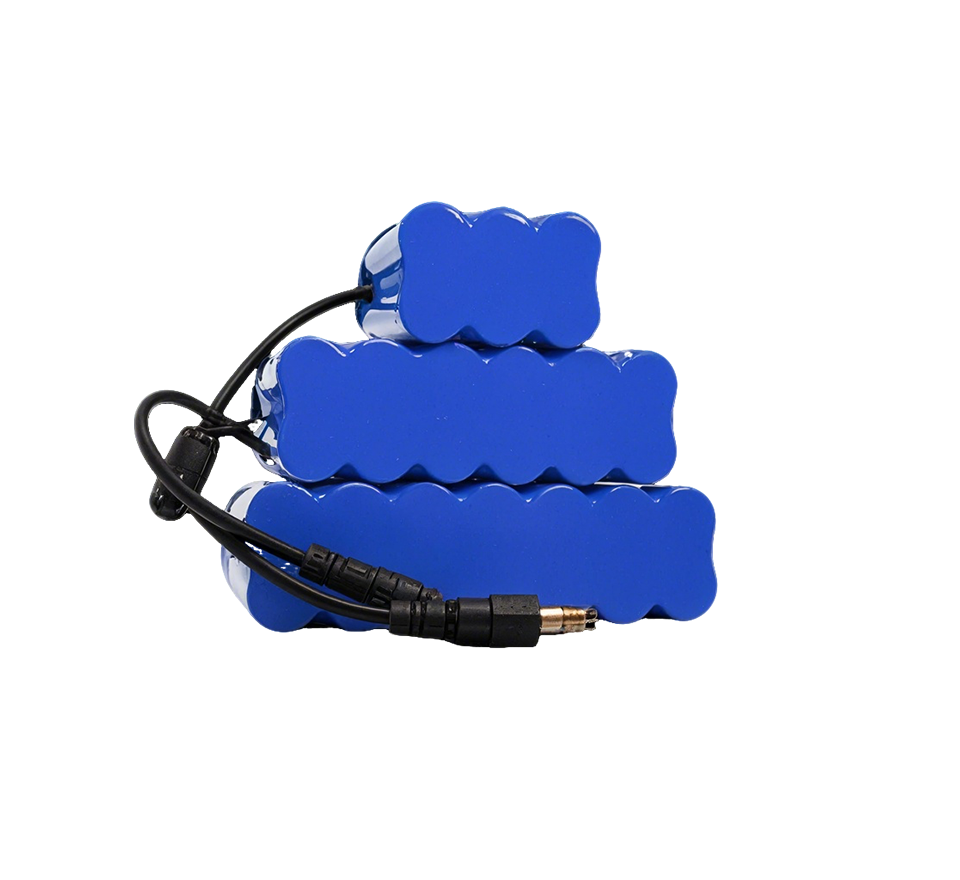
  • Pack design (custom BMS, connectors, casing)

  • Frequency of re-orders (repeat customers often get better terms)

For example, a 21700 lithium cell at 1,000pcs scale may be priced at $1.05, while a 100pcs order could be $1.26 due to setup and handling cost per unit.


6. 🌎 Geopolitical & Trade Conditions

  • Tariffs, trade policy shifts, or export controls (e.g., U.S.–China tensions) can affect cost and availability

  • Currency fluctuations (USD vs. RMB) also impact international transactions

In 2025, some Chinese suppliers are adjusting prices monthly due to exchange rate shifts and raw material contracts.


✅ Conclusion: What Can You Do?

If you're a buyer or distributor:

  • Ask for updated quotes regularly — prices may change monthly

  • Plan larger purchases or consolidate shipments to reduce per-unit cost

  • Work with suppliers who offer transparent breakdowns of cost and certifications

At EASTAR, we monitor market conditions closely and offer competitive, stable pricing on both dry batteries and lithium battery packs. Need a quote or cost breakdown? Contact us today.