Home > News >

Review Battery Life From Electric Vehicles 2

Editorial:EASTAR BATTERY Date:2017-08-25 Views:573

Review of Battery Life in Electric Vehicles: The Evolution of Technology

Battery life plays a critical role in the performance and sustainability of Electric Vehicles (EVs). To truly appreciate the advancements made in EV battery life, we must look back at the history and evolution of battery technology, which has been instrumental in powering everything from early experiments to today’s cutting-edge electric cars.


The Early Days of Battery Technology

The roots of modern battery technology can be traced back to ancient times. As early as 250 BC, early civilizations experimented with rudimentary forms of energy storage, and by 1749, Benjamin Franklin used a set of capacitors in his electrical experiments. But it wasn’t until the 1800s that more significant advancements were made.

In 1800, Italian scientist Alessandro Volta developed the first voltaic cell using copper, tin, and saltwater, which paved the way for more practical uses of electricity. Over the following decades, innovations such as the Daniel Battery (1836) and the lead-acid battery (invented in 1860) significantly improved the efficiency of early batteries. These advancements laid the foundation for the development of dry-cell batteries, which would eventually be commercialized.


Commercializing Battery Technology

The commercial phase of battery technology truly began in the late 19th and early 20th centuries. In 1887, the dry cell battery was invented, and by 1896, mass production began in the United States. This invention revolutionized the battery industry, making energy storage more accessible and reliable for everyday use.

Fast forward to 1910, and Thomas Edison’s invention of rechargeable iron-nickel batteries further fueled the progress. Over the following decades, breakthroughs like alkaline batteries (1914) and the development of sealed nickel-cadmium batteries in the 1940s helped improve the energy density and longevity of batteries.

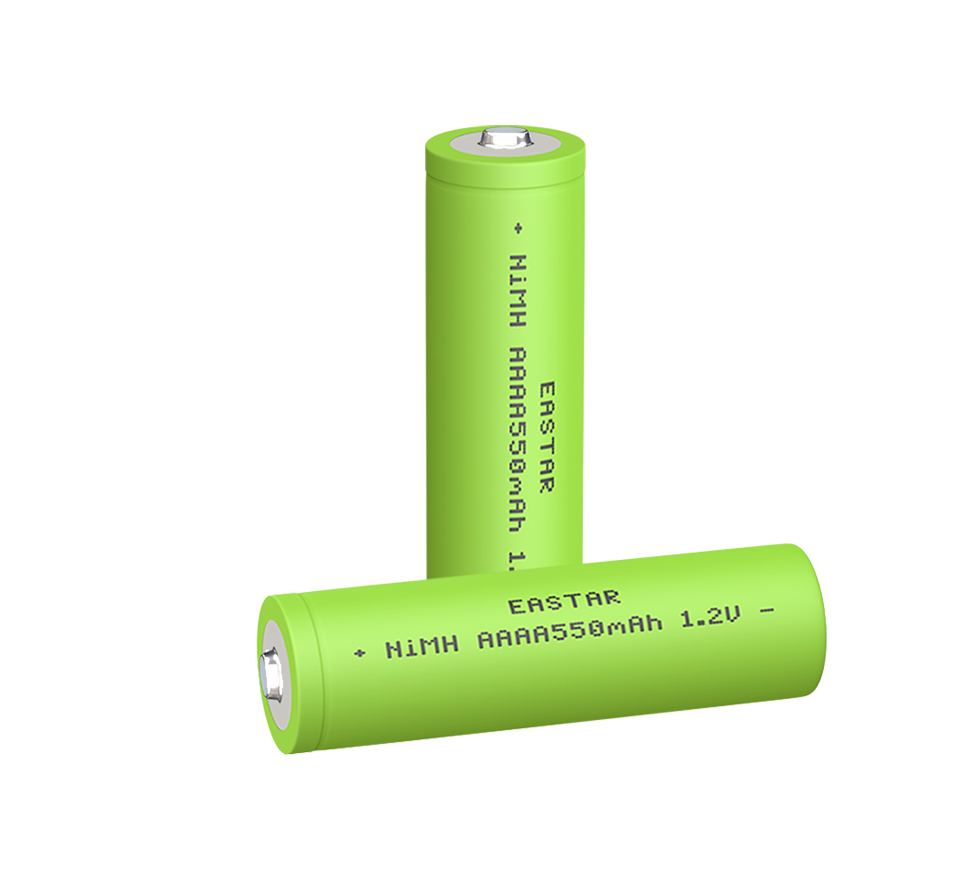
By the 1970s, driven by the energy crisis, there was a greater focus on developing more efficient power sources. The invention of lithium batteries in 1987 and nickel-metal hydride batteries in 1995 marked a turning point, ushering in an era of commercial and widespread adoption of modern batteries. These advancements are crucial for the high-energy demands of Electric Vehicles.


Battery Technology and Electric Vehicles

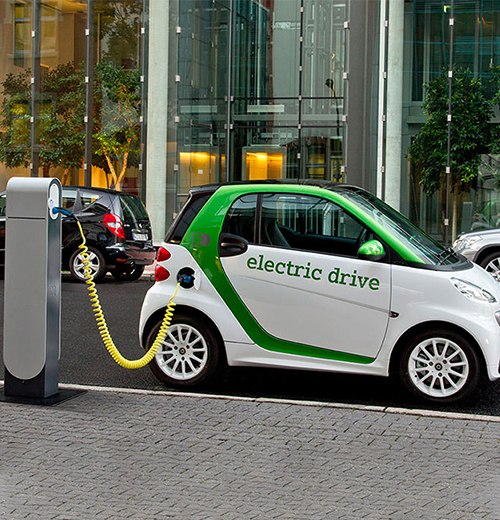
Battery technology has been instrumental in the development of Electric Vehicles. Early EVs were hindered by limited battery capacities, which meant short driving ranges and long recharge times. However, advancements in lithium-ion batteries, which have a higher energy density and longer lifespan compared to older technologies like lead-acid batteries, have transformed the EV market.

Today, EV manufacturers like Tesla, Nissan, and others have incorporated lithium-ion batteries that provide a range of 200 to 400 miles per charge, significantly improving the practicality and appeal of electric cars. Moreover, improvements in battery charging infrastructure and faster charging times are helping to eliminate some of the range anxiety that once plagued EV owners.


Looking Ahead: The Future of EV Battery Life

As battery technology continues to evolve, we can expect even greater advancements in energy density, charging speeds, and overall battery lifespan. Solid-state batteries, which promise even higher energy densities and safety improvements, are currently under development and could soon become a game-changer for EVs.

In conclusion, the journey of battery technology—from its humble beginnings to its current state—has been nothing short of remarkable. Thanks to these advancements, the future of Electric Vehicles looks bright, with longer battery life, faster charging, and more widespread adoption on the horizon. As we continue to innovate, the full potential of electric transportation will be unlocked, making our world greener and more sustainable.


This article on the history and evolution of battery technology demonstrates how far we’ve come in terms of both energy storage and the development of Electric Vehicles. The continued focus on improving battery life is crucial to making EVs an even more viable and sustainable choice for drivers around the world.