Defibrillator Battery Applications
The battery is a critical component of a defibrillator, directly impacting its reliability, portability, and lifespan.
Below is a detailed explanation of defibrillator battery applications:
---
1. Core Functions of the Battery
Defibrillator batteries are primarily used in the following scenarios:
• Emergency Energy Delivery: Provides high-energy shocks during cardiac arrest (e.g., AEDs typically require 150–360 joules).
• Continuous Operation: Powers daily functions such as ECG monitoring, data storage, and voice prompts.
• Backup Power: Ensures availability during external power failures (e.g., hospital outages or outdoor emergencies).
---
2. Battery Types
Common battery types for defibrillators include:
• Lithium-Based Batteries:
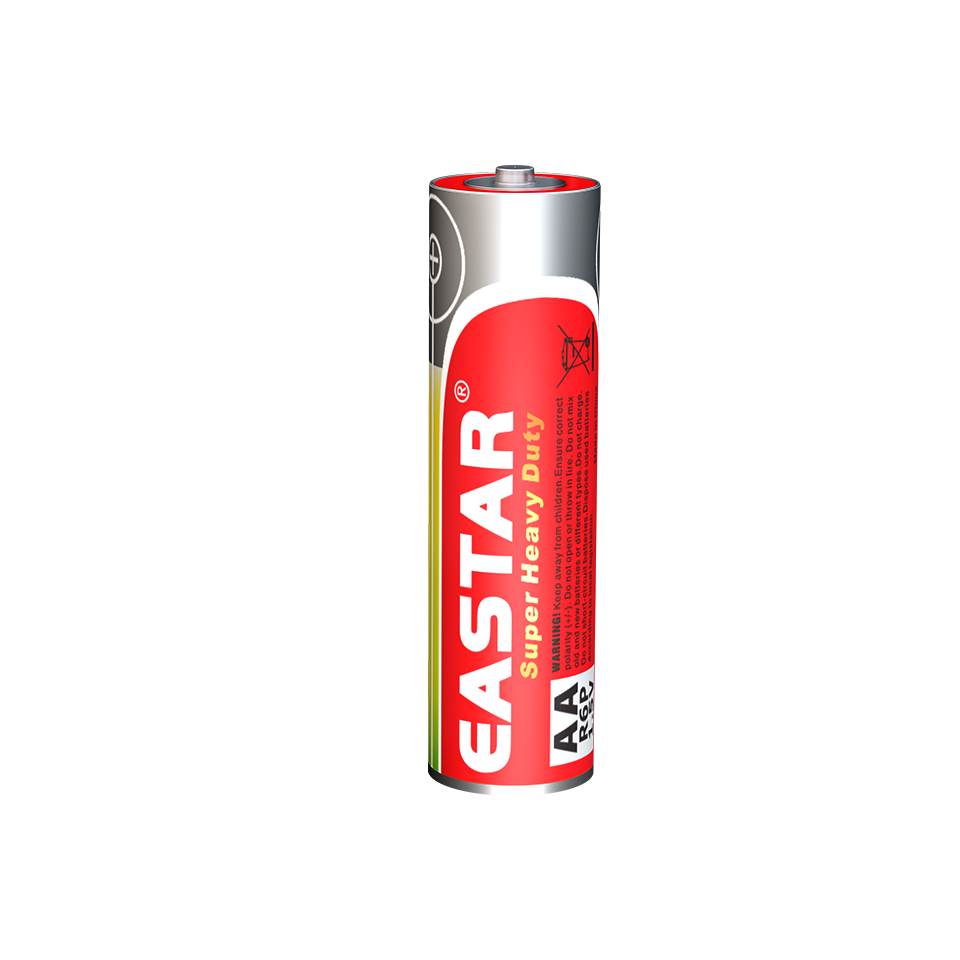
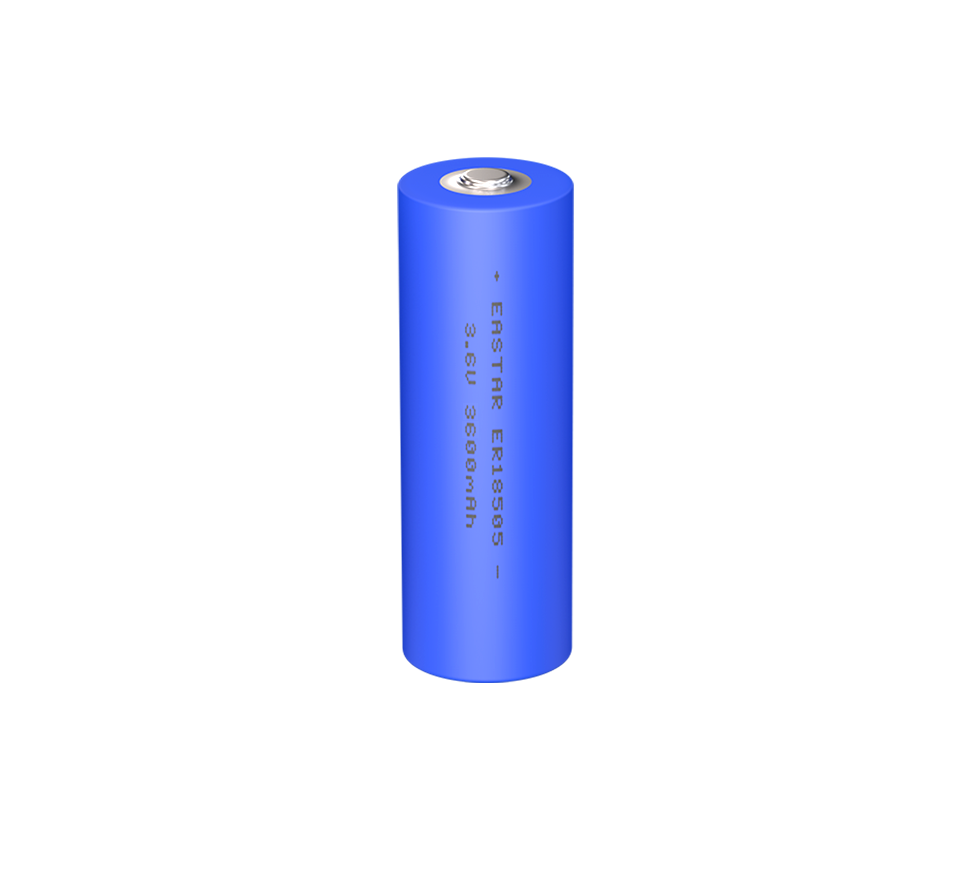
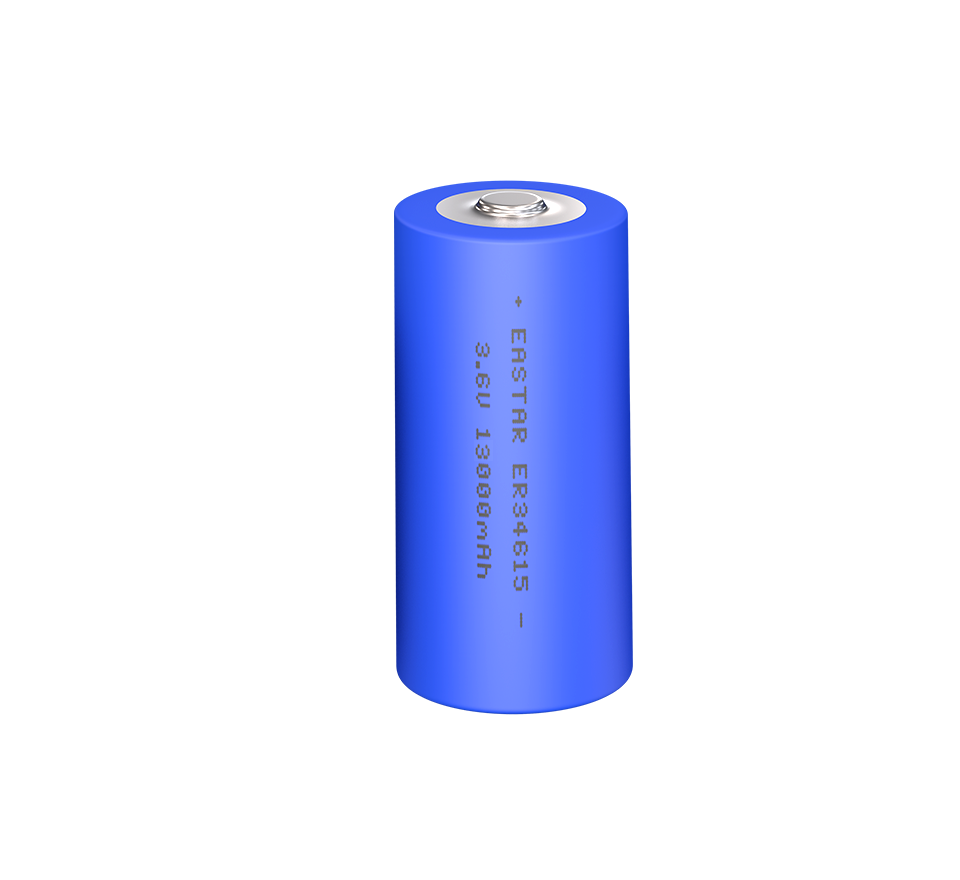
• Lithium Manganese Dioxide (Li-MnO₂): High energy density and long lifespan, widely used in AEDs.
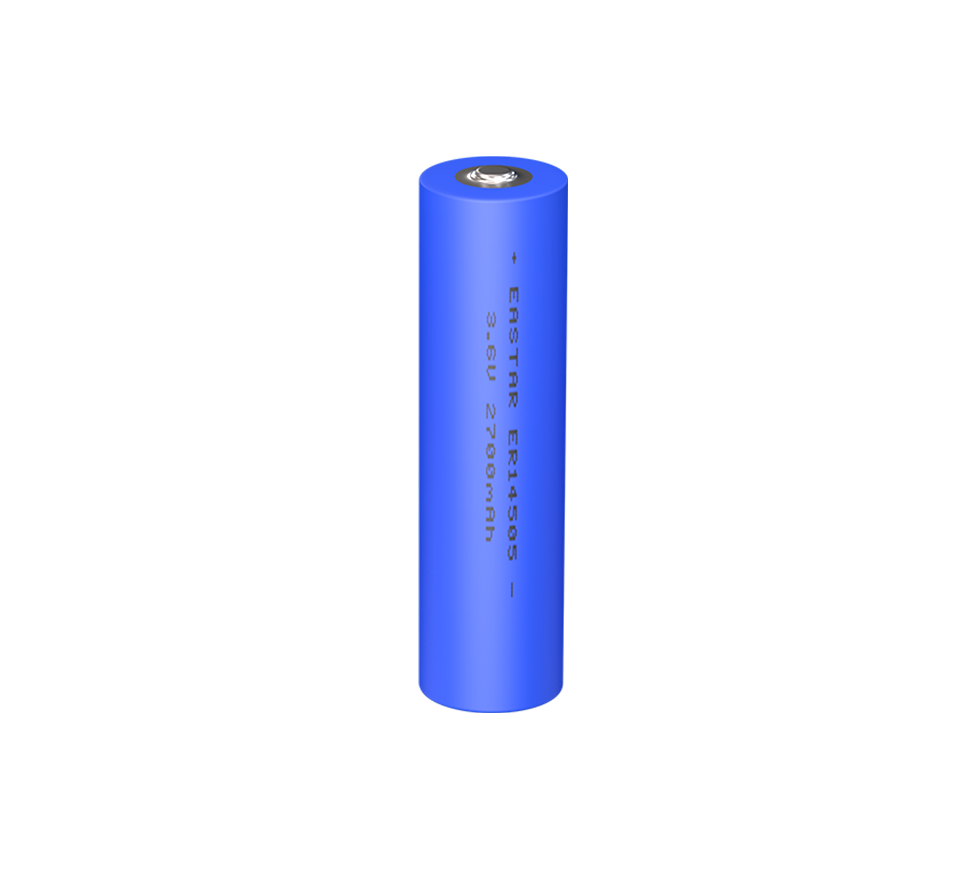
• Lithium Thionyl Chloride (Li-SOCl₂): Extremely low self-discharge rate (<1% annually), suitable for implantable defibrillators (ICDs) or long-term standby AEDs.
• Rechargeable Batteries:
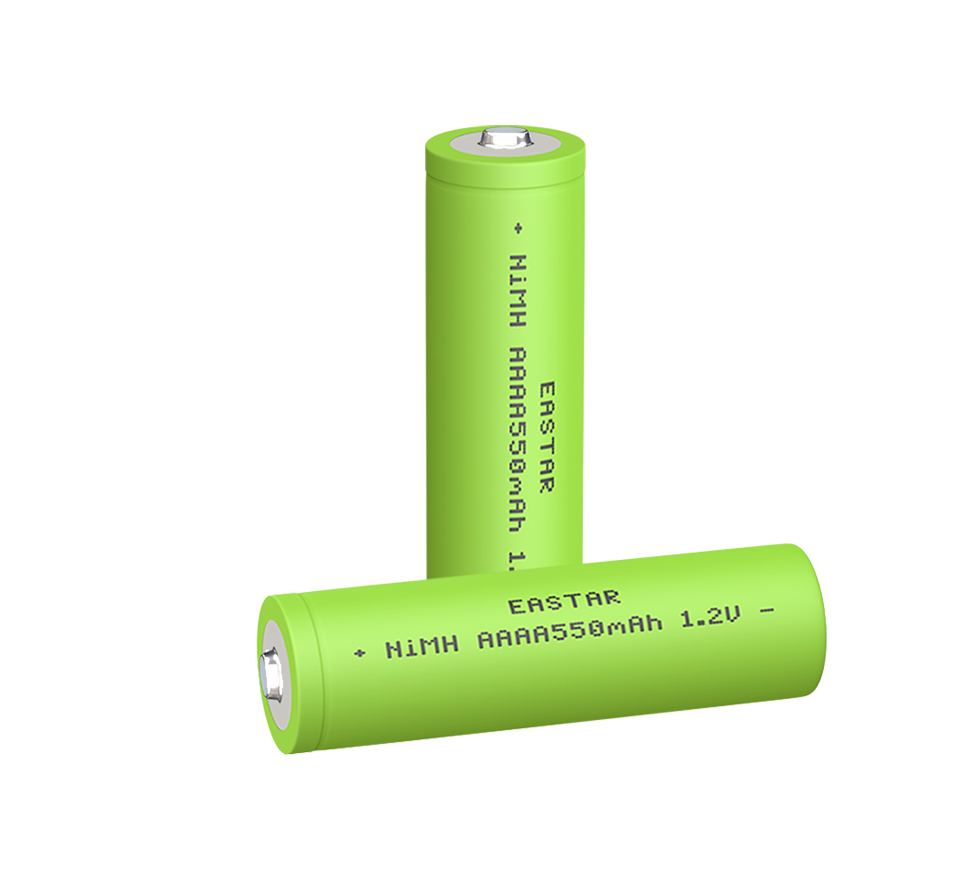
• Some hospital-grade defibrillators use nickel-metal hydride (NiMH) or lithium-ion (Li-ion) batteries, requiring regular charging and maintenance.
---
3. Application Scenarios and Requirements
(1) Automated External Defibrillators (AEDs)
• Requirements: Lightweight, long standby time, rapid discharge capability.
• Typical Batteries: Single-use Li-MnO₂ batteries (e.g., CR123A), lifespan of 3–5 years.
• Features:
• Standby time spans several years without frequent replacement.
• Supports multiple shocks (e.g., continuous monitoring post-shock).
• Some AEDs integrate batteries with electrode pads to avoid expiration risks.
(2) Implantable Cardioverter Defibrillators (ICDs)
• Requirements: Ultra-long lifespan (5–10 years), compact size, absolute safety.
• Typical Batteries: Custom lithium-based batteries (e.g., lithium silver vanadium oxide), sealed to prevent leakage.
• Features:
• Capacity must match the patient’s lifetime needs; replacement requires surgery.
• Built-in battery monitoring systems provide early depletion warnings.
(3) Hospital-Grade Defibrillators
• Requirements: High-energy output, fast charging, compatibility with multiple power sources.
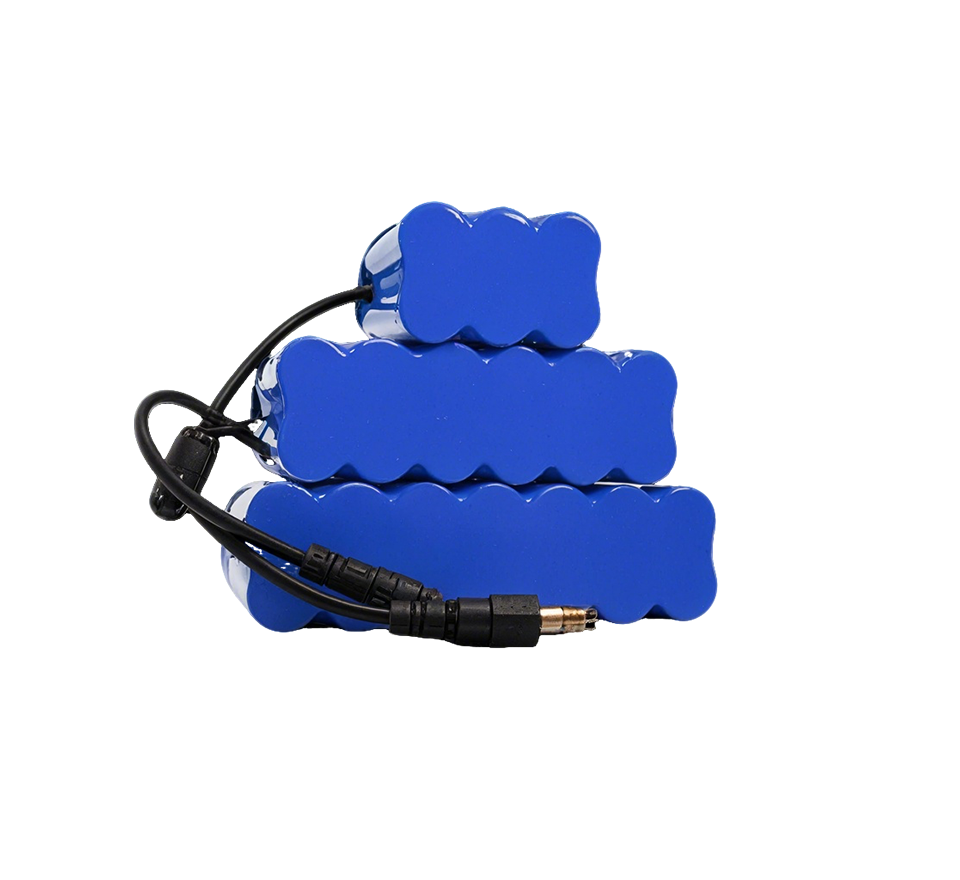
• Typical Batteries: Rechargeable lithium-ion battery packs with seamless AC power switching.
• Features:
• Must meet strict safety certifications (e.g., UL, IEC standards).
• Some devices include "smart battery management" to optimize charge cycles.
---
4. Battery Management and Maintenance
• Self-Test Function: Modern defibrulators perform regular self-checks to monitor battery status and alert users to replace or recharge.
• Temperature Tolerance: Batteries must operate reliably across a wide range (-20°C to 50°C) for emergency use.
• Eco-Friendliness and Safety: Compliance with medical waste standards (e.g., mercury- and cadmium-free).
---
5. Key Challenges
• Balancing Energy Density and Lifespan: Trade-offs between high-energy demands and longevity.
• Safety: Preventing overheating, short circuits, or explosions, especially in implantable devices.
• Cost: Medical-grade batteries require stringent certifications, leading to higher costs.
---
6. Future Trends
• Solid-State Batteries: Higher safety and energy density for next-gen implantable devices.
• Energy Harvesting: Experimental use of patient motion or body heat for micro-charging.
• Smart Integration: IoT-enabled remote battery monitoring for proactive fault detection.
---
Conclusion
Defibrillator batteries represent a highly specialized component in medical technology, requiring an optimal balance of energy output, lifespan, and safety.
Advances in battery technology will further enhance portability and reliability, offering stronger safeguards for both emergency response and chronic cardiac care.