Walkie-talkie

Date:2025-01-09 Views:211


Battery Applications in Walkie-Talkies


Walkie-talkies require batteries that deliver long runtime, stability, and adaptability to harsh environments. Here’s a detailed breakdown of battery technologies used in walkie-talkies and their applications:


1. Common Battery Types


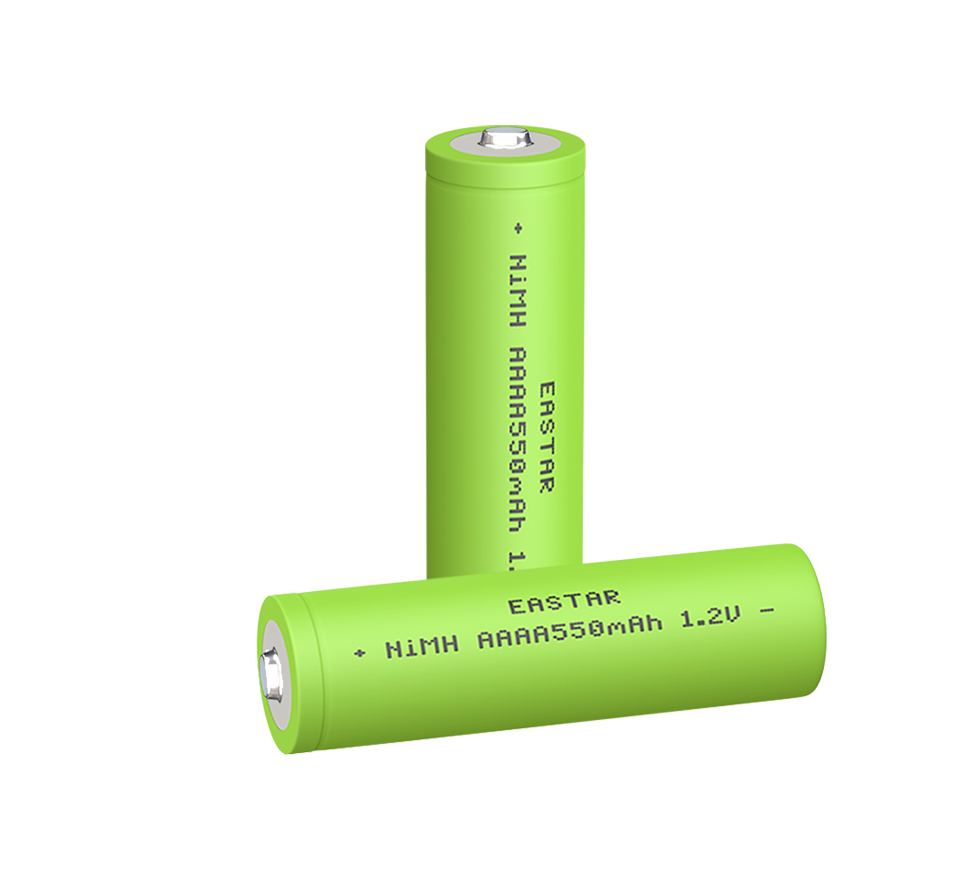
**(1) Nickel-Metal Hydride (NiMH) Batteries**


  • Voltage: 1.2V per cell (typically 7.2V/8.4V in series).
  • Capacity: 1200–2500mAh (supports 8–20 hours of talk time).
  • Advantages:
    • Eco-friendly (cadmium-free), rechargeable (500+ cycles).
    • Decent low-temperature performance (-10°C).
  • Use Cases:
    • Consumer-grade walkie-talkies (e.g., Motorola T-series).
    • Outdoor activities (camping, hiking).


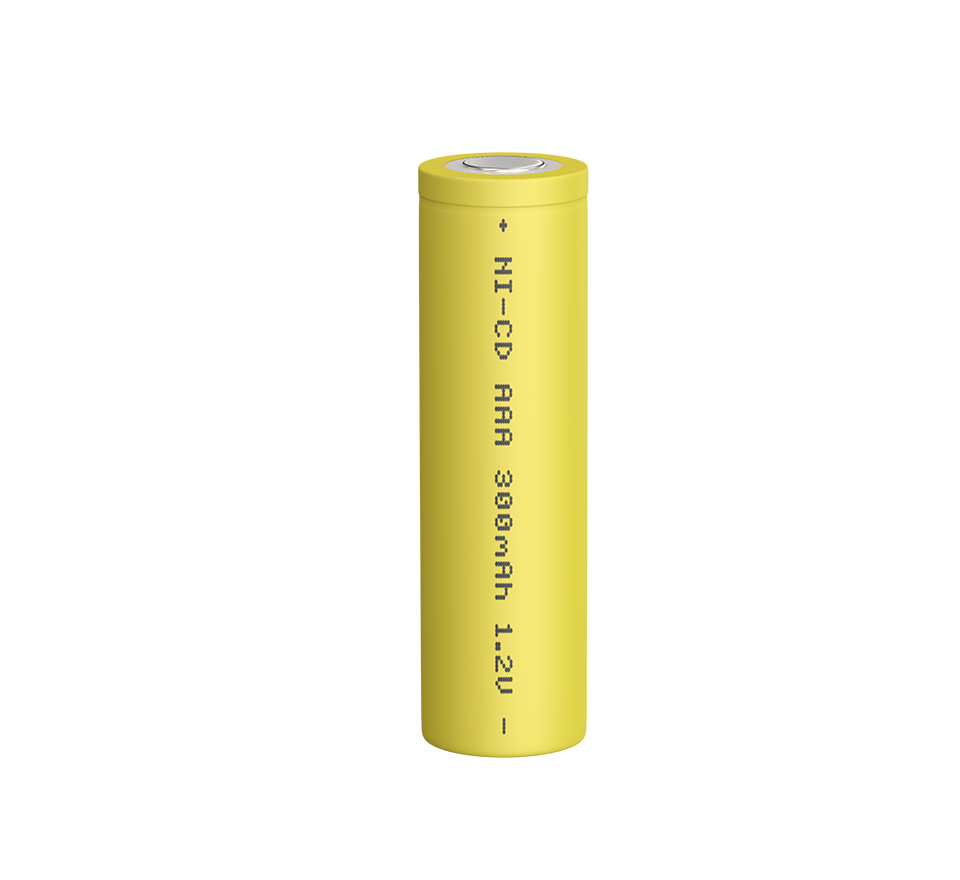
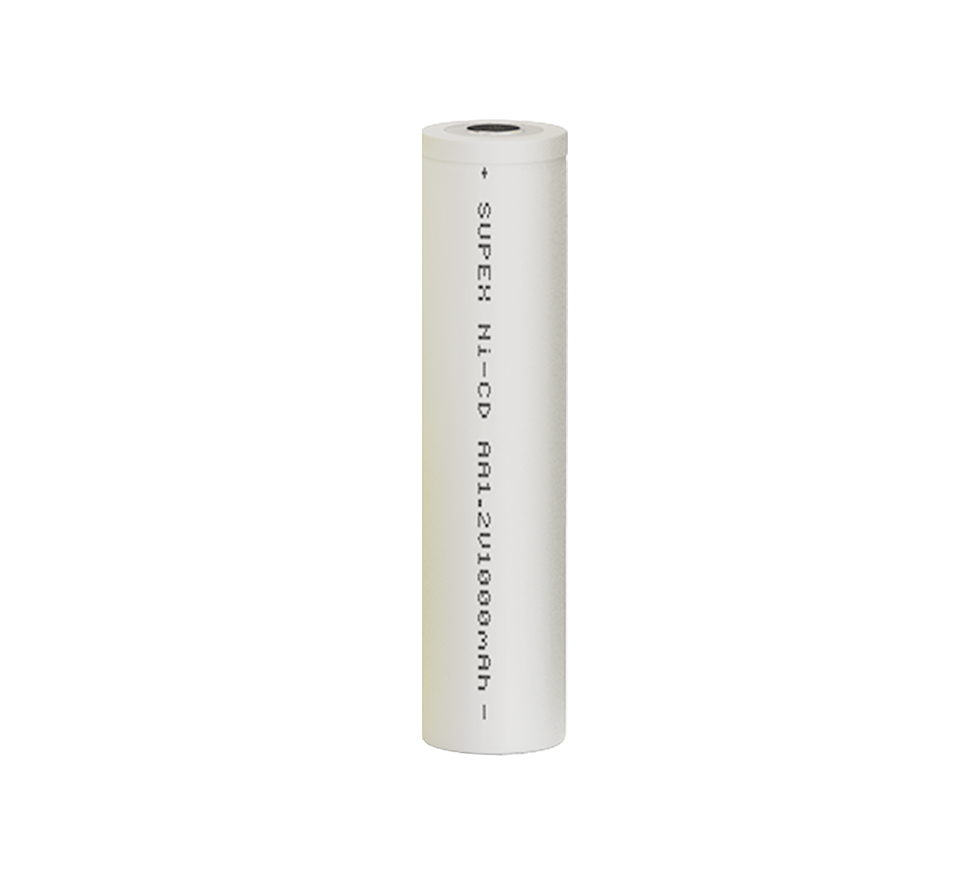
**(2) Nickel-Cadmium (NiCd) Batteries**


  • Voltage: 1.2V per cell (similar to NiMH).
  • Capacity: 600–1500mAh (shorter runtime, being phased out).
  • Advantages:
    • Extreme temperature tolerance (-40°C to 60°C).
    • High current discharge for emergency calls.
  • Disadvantages:
    • Toxic cadmium content (requires specialized recycling).
    • Memory effect (needs periodic full discharge).
  • Use Cases:
    • Legacy industrial radios (e.g., Kenwood TK-3207).
    • Military/emergency communication (older models).


**(3) Lithium-Ion (Li-ion) Batteries**


  • Voltage: 3.7V per cell (7.4V or 11.1V in series).
  • Capacity: 2000–4000mAh (30–50% longer runtime).
  • Advantages:
    • High energy density (lightweight for handheld use).
    • No memory effect, fast charging (1–2 hours).
  • Use Cases:
    • Premium commercial radios (e.g., Motorola XTS series).
    • Professional fields (police, firefighting).


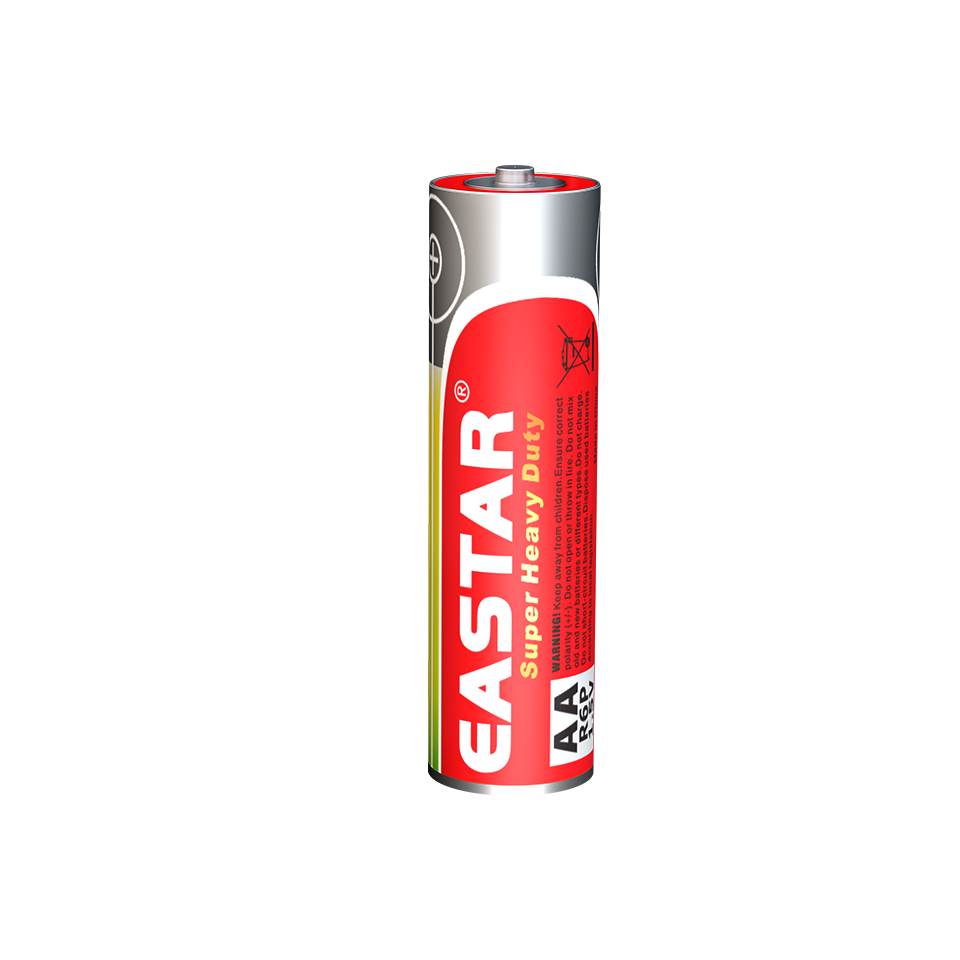
**(4) Alkaline Batteries (AA/AAA)**


  • Voltage: 1.5V per cell (requires multiple cells in series).

  • Capacity: ~2000mAh (AA batteries).
  • Advantages:
    • Plug-and-play, no charging needed (ideal for emergencies).
    • Low cost and easy availability.
  • Disadvantages:
    • Poor low-temperature performance (<-10°C).
    • Leakage risk during long-term storage.
  • Use Cases:
    • Budget consumer radios (e.g., Baofeng UV-5R).
    • Backup power (paired with rechargeable batteries).


2. Performance Comparison


Battery TypeEnergy DensityCycle LifeExtreme Temp. RangeEco-Friendliness
NiMHModerate500 cycles-10°C to 50°CCadmium-free, recyclable
NiCdLow300 cycles-40°C to 60°CToxic (requires recycling)
Li-ionHigh800 cycles0°C to 45°CRecyclable
AlkalineLowSingle-use-10°C to 40°CStandard disposal


3. Usage & Maintenance Tips


  1. Charging:
    • NiMH/NiCd: Avoid deep discharge (<20% charge).
    • Li-ion: Charge at room temperature (avoid >45°C).


  2. Storage:
    • Store batteries at 30–50% charge in cool, dry places.
    • For NiCd, perform monthly full discharge cycles.


  3. Extreme Environments:
    • Cold climates: Use NiCd or lithium-thionyl chloride batteries (specialized).
    • Hot climates: Prioritize Li-ion (heat-resistant up to 60°C).


4. Sustainability & Recycling


  • NiCd: Mandatory recycling via e-waste centers.
  • Li-ion: Manufacturer take-back programs (e.g., Motorola EcoTrac).
  • Alkaline: Check local regulations (disposal varies by region).


5. Future Trends


  1. Lithium-Polymer (Li-Po):
    • Ultra-thin designs for compact radios (e.g., Baofeng UV-82HP).
  2. Solar Charging:
    • Integrated solar panels for emergency radios (e.g., Sun Jack Explorer).
  3. Hydrogen Fuel Cells:
    • Experimental military-grade radios with 72-hour runtime.