Pet Tracker

Date:2025-01-09 Views:334


Battery Applications in Pet Trackers


Pet trackers require batteries that prioritize long runtime, miniaturization, and environmental resilience while ensuring safety and ease of use. Below are common battery types and their applications:


1. Common Battery Types


**(1) Coin Cell Batteries**


  • Models: CR2032 (3V, 240mAh), CR1632 (3V, 120mAh).
  • Advantages:
    • Miniaturization: Fit ultra-compact trackers (e.g., implantable chips or lightweight collars).
    • Low Self-Discharge: <1% annual loss, ideal for standby mode.
  • Use Cases:
    • Micro GPS Tags: Tile Pro (backup power).
    • RFID Implants: Pet microchips (e.g., HomeAgain).

**(2) Lithium Polymer (Li-Po) Batteries**


  • Capacity: 100–500mAh (3–30 days runtime).
  • Advantages:
    • Rechargeable: USB/wireless charging (Qi-compatible).
    • Flexible & Thin: Conforms to collar curves (e.g., Fi Collar Series 3).
  • Use Cases:
    • Smart Collars: Whistle GO Explore (7-day runtime).
    • Activity Trackers: FitBark GPS (real-time tracking + motion monitoring).

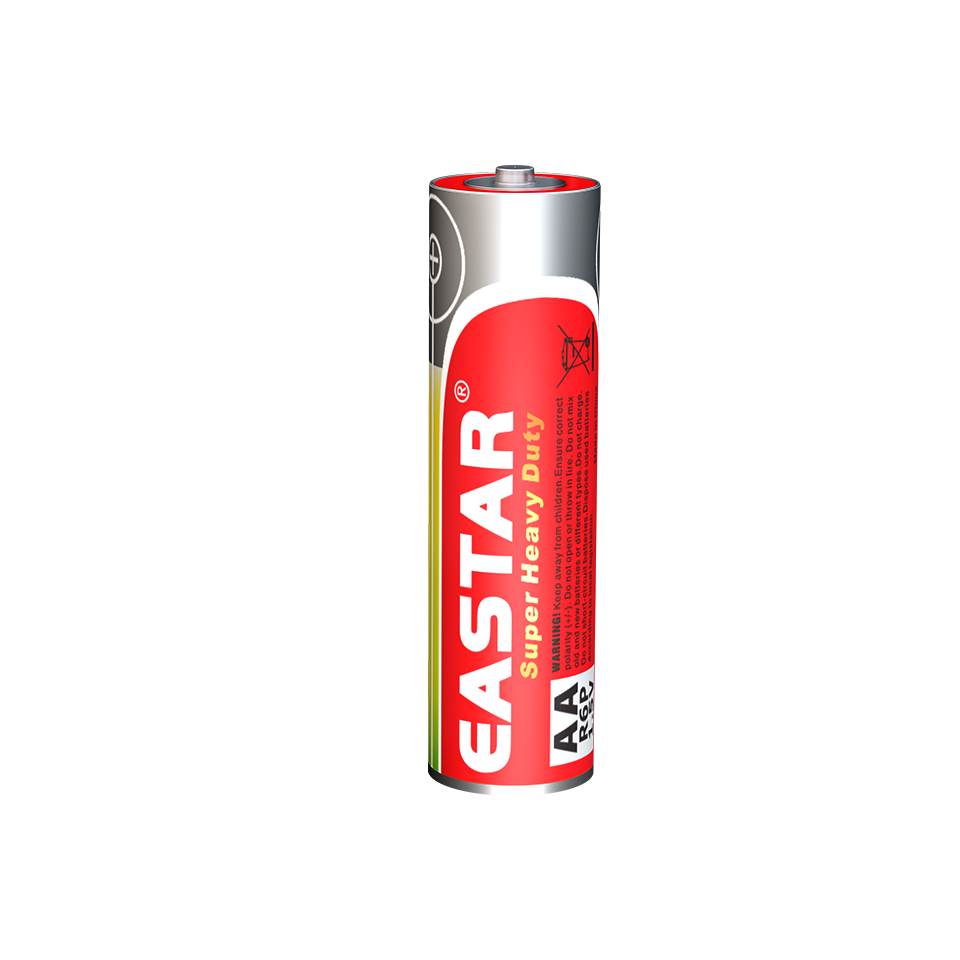
**(3) Alkaline Batteries (AA/AAA)**


  • Models: AA (1.5V, 2000–3000mAh), AAA (1.5V, 800–1200mAh).
  • Advantages:
    • Ready-to-Use: No charging needed (emergency-ready).
    • Low Cost: ~$0.3–0.7 per unit.
  • Use Cases:
    • Basic GPS Trackers: Pawscout Tag (backup mode).
    • Outdoor Trackers: Paired with solar charging cases.


2. Performance & Scenario Comparison


Battery TypeRuntimeTypical DevicesKey AdvantagesLimitations
Coin Cell3–12 monthsMicro tags, RFID implantsUltra-compact, maintenance-freeNon-rechargeable, low capacity
Lithium Polymer7–30 daysSmart collars (e.g., Fi)Rechargeable, real-time trackingRequires frequent charging
Alkaline1–3 monthsOutdoor trackers (e.g., PawTracker)Cold-resistant (-20°C), plug-and-playLeakage risk in long-term storage


3. Usage Tips


  1. Runtime Optimization:

    • Reduce GPS Frequency: Extend runtime 2–3x by updating location every 30 minutes.
    • Sleep Mode: Auto-activate when connected to home Wi-Fi (e.g., Whistle Health).
  2. Harsh Environment Solutions:
    • Waterproofing: Choose IP67/IP68-rated battery housings (e.g., Fi Collar).
    • Extreme Cold: Lithium-thionyl chloride (Li-SOCl₂) batteries support -40°C operation.
  3. Replacement & Recycling:
    • Coin Cells: Use a coin to open the compartment; align polarity (+ side up).
    • Recycling: Recycle lithium coin cells via e-waste programs; alkaline batteries can be trashed (check local rules).


4. Future Trends


  1. Solar + Wireless Charging:
    • Collars with micro solar panels (e.g., Pawscout Solar Edition).
    • Wireless charging docks (e.g., Fi Base Station).
  2. Kinetic Energy Harvesting:
    • Convert pet movement into micro-power (experimental).
  3. Nuclear Batteries (Betavolt):
    • Experimental diamond-based cells (50-year lifespan) for implantable trackers.


5. Popular Device Examples


  1. Fi Collar Series 3:
    • Battery: Li-Po (500mAh).
    • Runtime: 30 days (eco mode), 1.5-hour fast charging.
  2. Tractive GPS for Dogs:
    • Battery: Replaceable Li-Po (3–5 days runtime).
    • Features: Live tracking + virtual fence alerts.
  3. Apple AirTag (Pet-Modded):
    • Battery: CR2032 coin cell (1-year runtime).
    • Note: Requires waterproof casing.


Summary

Choose pet tracker batteries based on usage scenarios, activity levels, and user preferences:

  • Long-Term Maintenance-Free: Coin cells (CR2032) or future nuclear tech.
  • Real-Time Tracking: Li-Po batteries with fast charging (e.g., Fi Collar).
  • Budget Emergency Use: Alkaline + solar charging.

Advances in micro-energy tech will drive pet trackers toward zero-maintenance and environmental energy harvesting, eliminating battery anxiety.