Battery Applications in Smart Helmets
Smart helmets integrate lighting, communication, sensors, and data processing, requiring batteries that deliver high energy density, lightweight design, fast charging, and extreme-environment resilience. Below are key battery technologies and their roles in smart helmets:
1. Common Battery Types
**(1) Lithium Polymer (Li-Po) Batteries**
- Capacity: 1000–5000mAh (4–24 hours runtime).
- Voltage: 3.7V (single-cell) or 7.4V (dual-cell).
- Advantages:
- Ultra-Thin & Flexible: Conforms to helmet curvature (e.g., Daqri industrial helmets).
- Fast Charging: 1–2 hours via QC3.0/PD protocols.
- Use Cases:
**(2) Lithium-Ion (Li-ion) Batteries**
- Capacity: 2000–6000mAh (6–48 hours runtime).
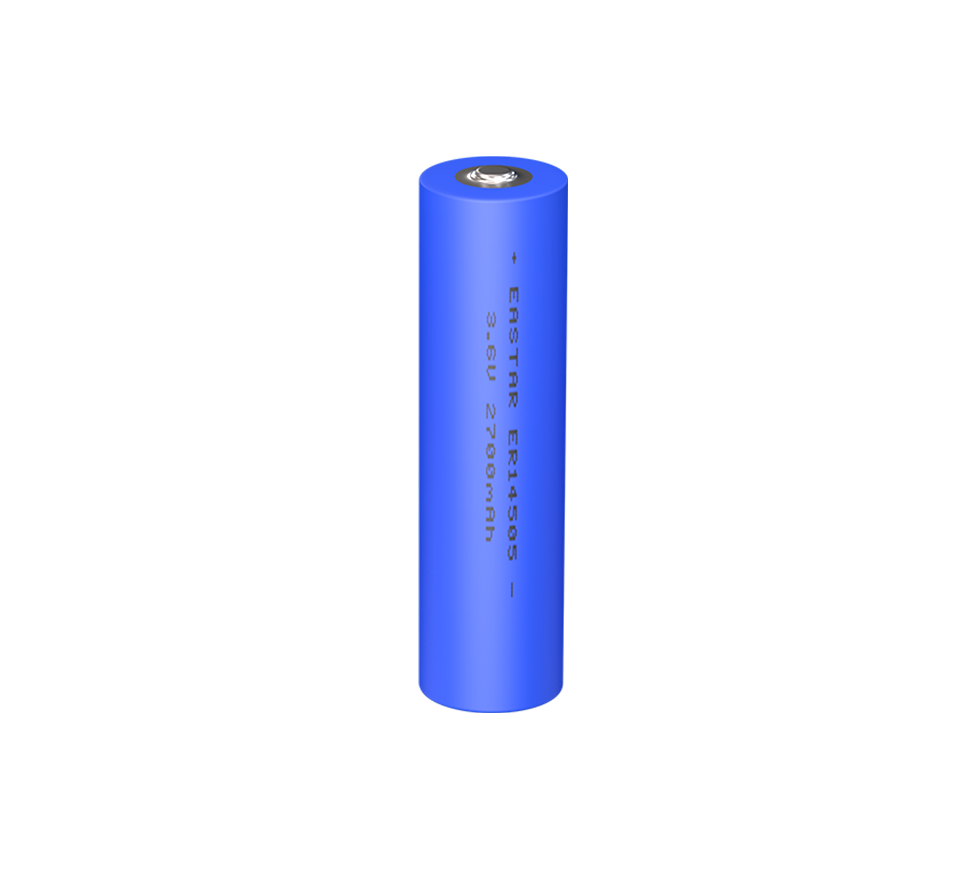
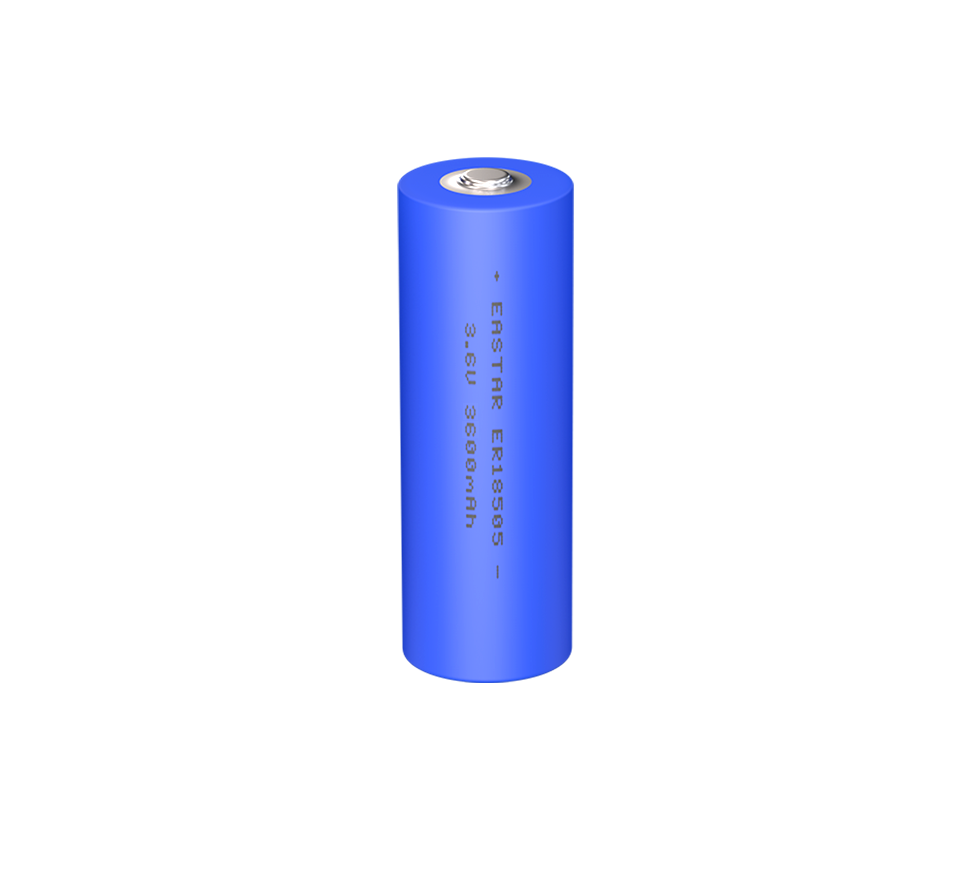
- Voltage: 3.6V (e.g., 18650 cylindrical cells).
- Advantages:
- Long Cycle Life: >80% capacity after 500 cycles.
- High-Temperature Tolerance: Operates at -20°C to 60°C (firefighting helmets).
- Use Cases:
**(3) Solid-State Batteries (Experimental)**
2. Core Functions & Battery Requirements
| Module | Power Draw | Battery Solution | Example Devices |
|---|
| AR/VR Display | 5–10W | Li-Po (7.4V, 3000mAh) + dynamic voltage regulation | Bosch AR Smart Helmet |
| Active Noise-Canceling | 2–5W | Li-ion (3.7V, 2000mAh) + Bluetooth LE | Sena Cavalry Motorcycle Helmet |
| Environmental Sensors | 0.5–2W | Coin cells (CR2032) or micro Li-Po | Guardhat HC1 Safety Helmet |
| Emergency Lighting | 3–8W (peak) | High-rate Li-Po (30C discharge) | Petzl Vertex Impact Helmet |
3. Key Technical Challenges
- Thermal Management:
- Risk: High-power modules (e.g., LiDAR) cause overheating (>50°C).
- Solution: Graphene thermal pads + intelligent BMS with thermal monitoring.
- Weight Optimization:
- Target: Battery weight <15% of total (e.g., Lumos Ultra: 180g battery).
- Tech: Aluminum-laminated pouch cells (30% lighter than steel cases).
- Safety Certifications:
4. Charging & Energy Management
- Wireless Charging:
- Qi-compatible charging docks (e.g., Skully AR-1 motorcycle helmet).
- Solar Integration:
- Flexible solar films on helmet shells (22% efficiency) – SunGod solar helmets.
- Kinetic Energy Harvesting:
5. Case Studies
- Daqri Industrial Smart Helmet:
- Battery: 7.4V 4000mAh Li-Po (8-hour AR runtime).
- Features: Thermal imaging, remote collaboration, real-time data transfer.
- Forcite Motorcycle Helmet:
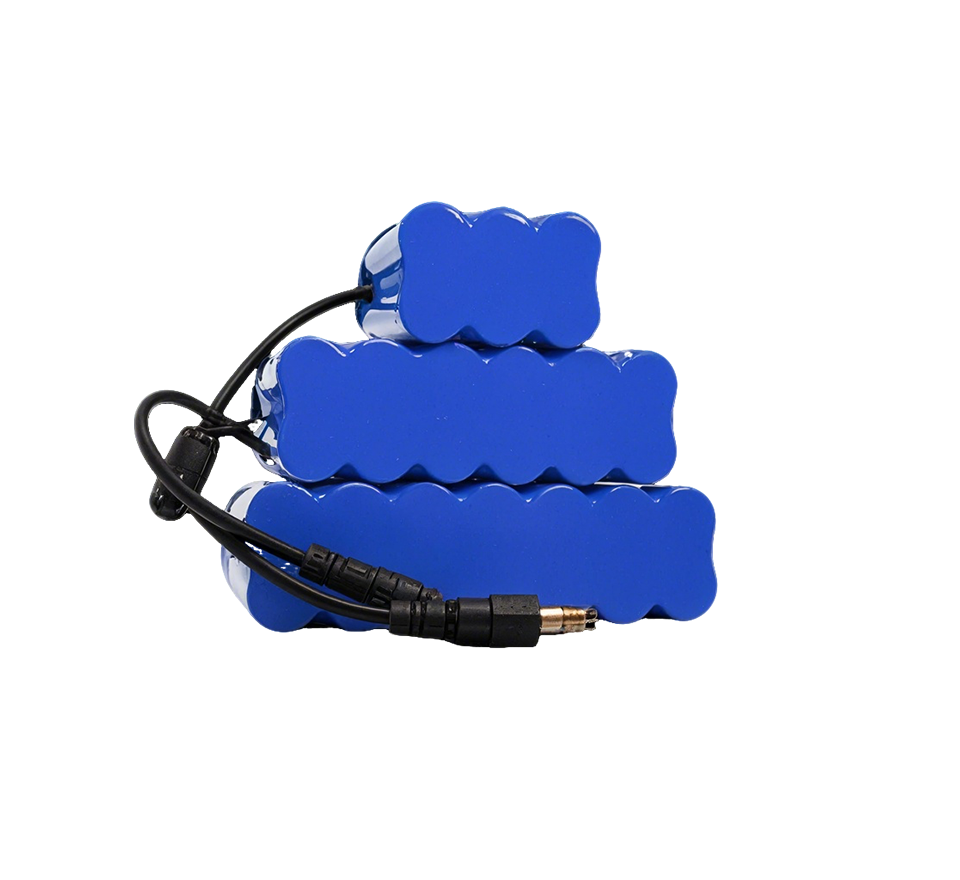
- Battery: Removable 18650 pack (6-hour GPS + camera use).
- Fast Charging: 1.5 hours via USB-C.
Guardhat HC1:
6. Future Trends
- Graphene Batteries:
- 5-minute 80% charging for racing helmets (custom F1 solutions).
- Modular Designs:
- Swappable battery/sensor modules (e.g., Jarvish X-AR).
- Self-Healing Electrolytes: