Doorbell

Date:2025-01-09 Views:134

Battery Applications in Doorbells


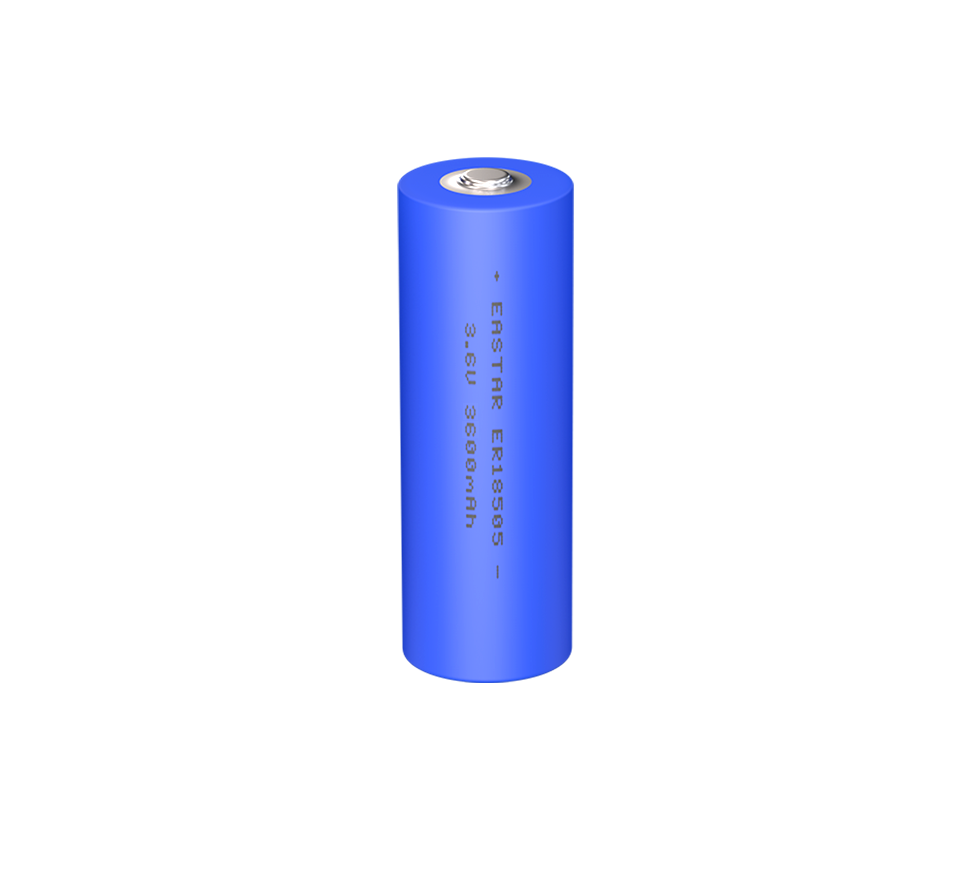
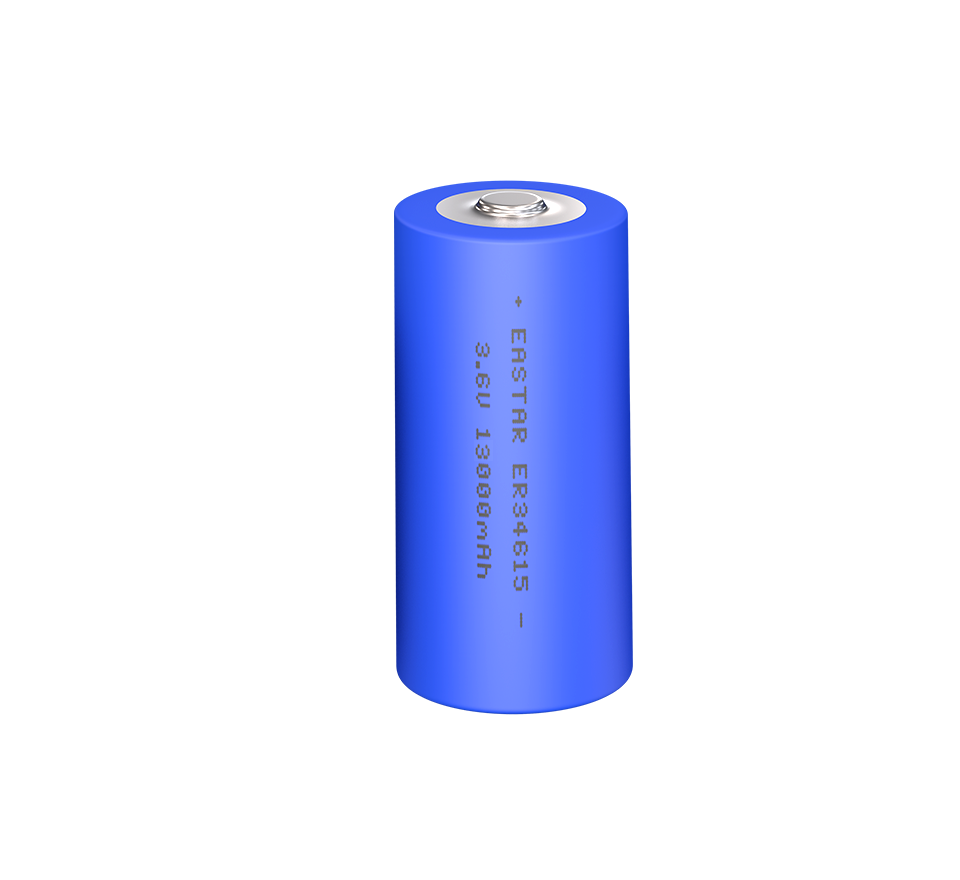
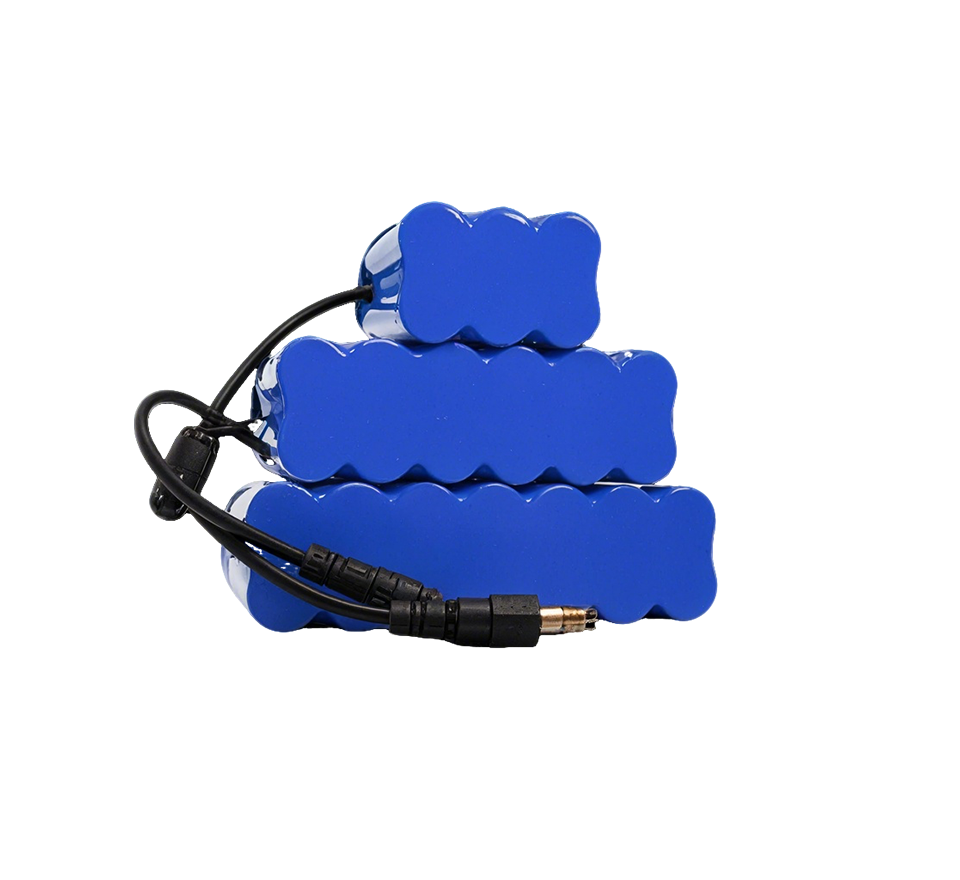
Doorbells, particularly wireless and smart models, rely on batteries for convenience, portability, and uninterrupted operation. Below is a detailed breakdown of battery technologies, performance, and use cases for modern doorbells:


1. Common Battery Types


**(1) Lithium-Ion (Li-ion) Batteries**

  • Voltage: 3.7V (single-cell).
  • Capacity: 2000–6000mAh (3–6 months runtime).
  • Advantages:
    • Rechargeable: USB-C or proprietary magnetic charging (e.g., Ring Video Doorbell Pro).
    • High Energy Density: Supports Wi-Fi, cameras, and motion sensors.
  • Use Cases:
    • Smart Video Doorbells: Ring Video Doorbell 4, Google Nest Hello (wired alternatives available).
    • Wireless Chimes: Battery-powered indoor receivers.

**(2) Lithium Iron Phosphate (LiFePO₄)**

  • Voltage: 3.2V (safer chemistry).
  • Capacity: 1000–3000mAh (6–12 months runtime).
  • Advantages:
    • Extreme Temperature Tolerance: -20°C to 60°C (ideal for outdoor use).
    • Long Cycle Life: 2000+ cycles (10x longer than Li-ion).
  • Use Cases:
    • Industrial/Outdoor Doorbells: Arlo Essential Wireless Video Doorbell.

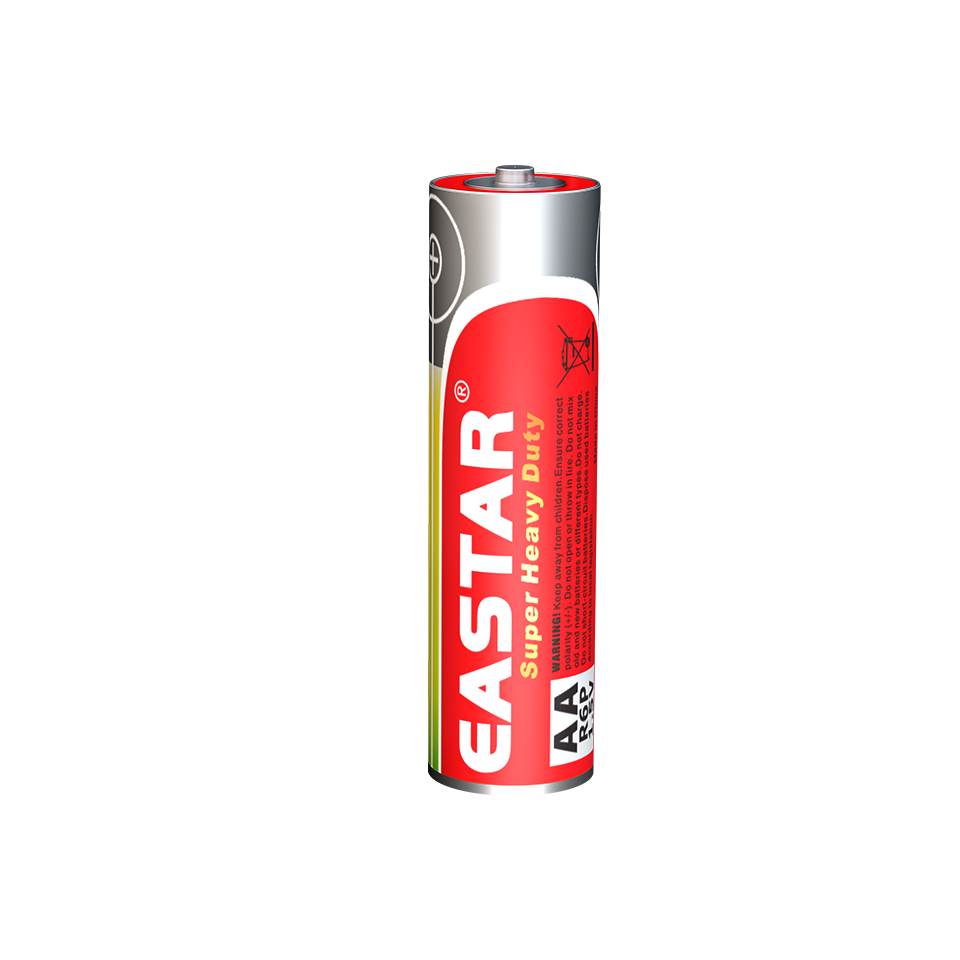
**(3) Alkaline Batteries (Non-Rechargeable)**

  • Voltage: 1.5V per cell (2–4 cells in series).
  • Capacity: 2000–3000mAh (2–4 months runtime).
  • Advantages:
    • Low Cost: $1–2 per pack (e.g., Amazon Basics AA).
    • Plug-and-Play: No charging required.
  • Drawbacks:
    • Poor Low-Temp Performance: Fails below -10°C.
    • Leakage Risk: Damages devices if not replaced promptly.
  • Use Cases:
    • Basic Wireless Doorbells: Honeywell RCWL300A.


2. Performance Comparison

Battery TypeRuntimeRecharge CyclesTemperature RangeBest For
Li-ion3–6 months500–800-10°C to 45°CSmart video doorbells
LiFePO₄6–12 months2000+-20°C to 60°CHarsh climates/outdoor models
Alkaline (AA/AAA)2–4 monthsSingle-use0°C to 40°CLow-cost wireless chimes


3. Key Design Considerations


  1. Power-Hungry Features:
    • Video Recording: 1080p/30fps streaming consumes 3–5W.
    • Wi-Fi/Bluetooth: Continuous connectivity adds 1–2W.
    • Night Vision IR LEDs: Adds 0.5–1W.
  2. Battery Management Systems (BMS):
    • Safety: Overcharge/over-discharge protection (UL 1642 certified).
    • Low-Power Modes: Motion-activated sleep to save energy (e.g., Eufy Security).
  3. Solar Integration:
    • Solar Panels: Extend runtime indefinitely (e.g., Ring Solar Charger for Video Doorbell 3).
    • Limitations: Requires 4+ hours of daily sunlight.


4. Maintenance Tips

  • Rechargeable Batteries:
    • Avoid deep discharges (<20%) to prolong lifespan.
    • Store at 30–50% charge if unused for months.
  • Alkaline Batteries:
    • Replace every 2–3 months, even if not depleted.
    • Use lithium-based alternatives in freezing climates.


5. Top Products & Their Batteries


  1. Ring Video Doorbell 4:
    • Battery: Removable 6120mAh Li-ion pack (6 months runtime).
    • Charging: USB-C or solar panel (sold separately).
  2. Eufy Security Wireless Doorbell:
    • Battery: 2x 4900mAh Li-ion (180-day runtime with 30s daily video).
  3. Arlo Essential Wired Video Doorbell:
    • Backup Battery: 6470mAh Li-ion (works during power outages).


6. Future Innovations


  1. Solid-State Batteries:
    • Safer, longer-lasting alternatives for extreme weather (e.g., QuantumScape prototypes).
  2. Energy Harvesting:
    • Piezoelectric buttons generate power from button presses.
  3. AI-Optimized Power Use:
    • Machine learning predicts usage patterns to minimize energy waste.