Door Intercom

Date:2025-01-09 Views:152

Battery Applications in Door Intercom Systems


Door intercom systems require batteries for uninterrupted power backup, wireless operation, and emergency functionality. Below is a detailed breakdown of battery technologies, use cases, and technical considerations for residential and commercial intercom systems:


1. Core Functions & Battery Requirements


  • Wireless Intercoms: Powering audio/video transmission between indoor and outdoor units.
  • Emergency Backup: Ensuring operation during power outages (critical for apartment complexes).
  • Smart Features: Supporting Wi-Fi, facial recognition, and app integration.


2. Common Battery Types


**(1) Lithium-Ion (Li-ion) Batteries**

  • Voltage: 3.7V (single-cell) or 7.4V (dual-cell).
  • Capacity: 2000–10,000mAh (6–24 months standby).
  • Advantages:
    • Rechargeable: Supports solar panels or USB-C charging (e.g., Aiphone GT-DMB-D).
    • High Energy Density: Powers video feeds and touchscreens.
  • Use Cases:
    • Smart Video Intercoms: Ring Intercom, Comelit Classe 300X.
    • Wireless Apartment Systems: Multi-tenant setups with cloud connectivity.

**(2) Sealed Lead-Acid (SLA) Batteries**

  • Voltage: 12V or 24V.
  • Capacity: 5–20Ah (1–3 days backup).
  • Advantages:
    • Low Cost: $20–50 per unit.
    • High Surge Current: Supports electromagnetic door strikes.
  • Use Cases:
    • Commercial Backup Systems: Hospitals, office buildings.
    • Legacy Wired Intercoms: Retrofit solutions (e.g., DoorKing 1800 series).

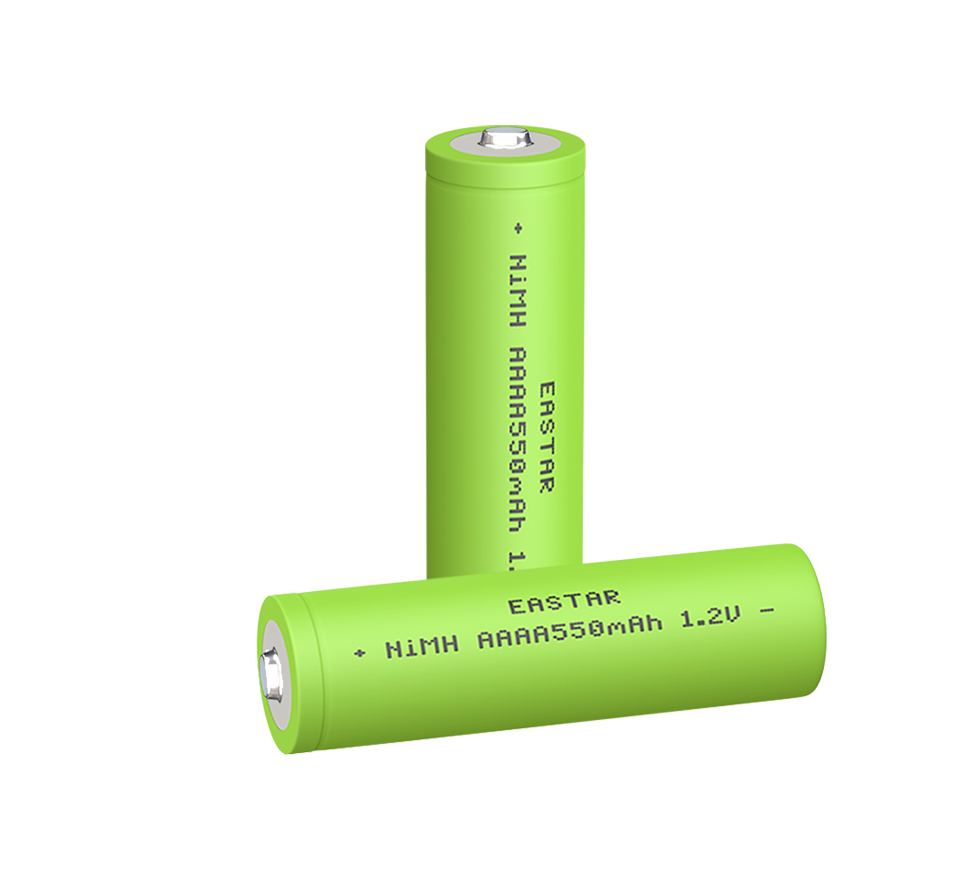
**(3) Nickel-Metal Hydride (NiMH) Batteries**

  • Voltage: 1.2V/cell (6-cell packs for 7.2V).
  • Capacity: 1500–3000mAh (1–2 years standby).
  • Advantages:
    • Temperature Resilience: -20°C to 50°C.
    • Low Self-Discharge: <20% per year.
  • Use Cases:
    • Outdoor Intercom Stations: Harsh weather environments.


3. Performance Comparison


Battery TypeEnergy DensityLifespanCostBest For
Li-ion150–250 Wh/kg3–5 years$30–100Smart video intercoms
SLA30–50 Wh/kg2–4 years$20–50High-power door release systems
NiMH60–120 Wh/kg5–7 years$15–40Outdoor/industrial intercoms


4. Key Technical Challenges


  1. Power-Hungry Components:
    • Video Streaming: 1080p video consumes 3–5W.
    • Electromagnetic Locks: Requires 12V/24V surge currents (up to 30A).
  2. Temperature Sensitivity:
    • Li-ion: Degrades rapidly below -10°C; SLA performs better in cold.
  3. Safety Certifications:
    • UL 2054: Fire resistance for indoor systems.
    • IP66/IP67: Waterproofing for outdoor units.


5. Maintenance & Optimization


  • Li-ion/SLA:
    • Test backup batteries bi-annually (replace if capacity <80%).
    • Use smart chargers to prevent overcharging.
  • NiMH:
    • Full discharge/charge cycle every 6 months to reduce memory effect.
  • Solar Integration:
    • 10W panels extend Li-ion lifespan in off-grid systems (e.g., Fermax Solar Intercom).


6. Case Studies


  1. Ring Intercom:
    • Battery: 2x 5000mAh Li-ion (12-month standby).
    • Features: Alexa integration, OTA updates.
  2. Aiphone GT-DMB-D:
    • Battery: 12V 7Ah SLA + 3.7V Li-ion backup (72-hour emergency operation).
  3. DoorKing 1835:
    • Battery: 12V 18Ah SLA (powers door strike + intercom for 24h).


7. Future Trends


  1. Solid-State Batteries:
    • Safer, longer-lasting backups (e.g., QuantumScape prototypes).
  2. Energy Harvesting:
    • Kinetic door handles generate power from usage (experimental).
  3. AI-Powered Power Management:
    • Predictive algorithms optimize battery use based on traffic patterns.