Desk Lamp

Date:2025-03-21 Views:203

Battery Applications in Desk Lamps


Desk lamps with battery integration prioritize portability, adjustable lighting, and energy efficiency. Below is a detailed breakdown of battery technologies, use cases, and innovations for modern battery-powered desk lamps:


1. Common Battery Types


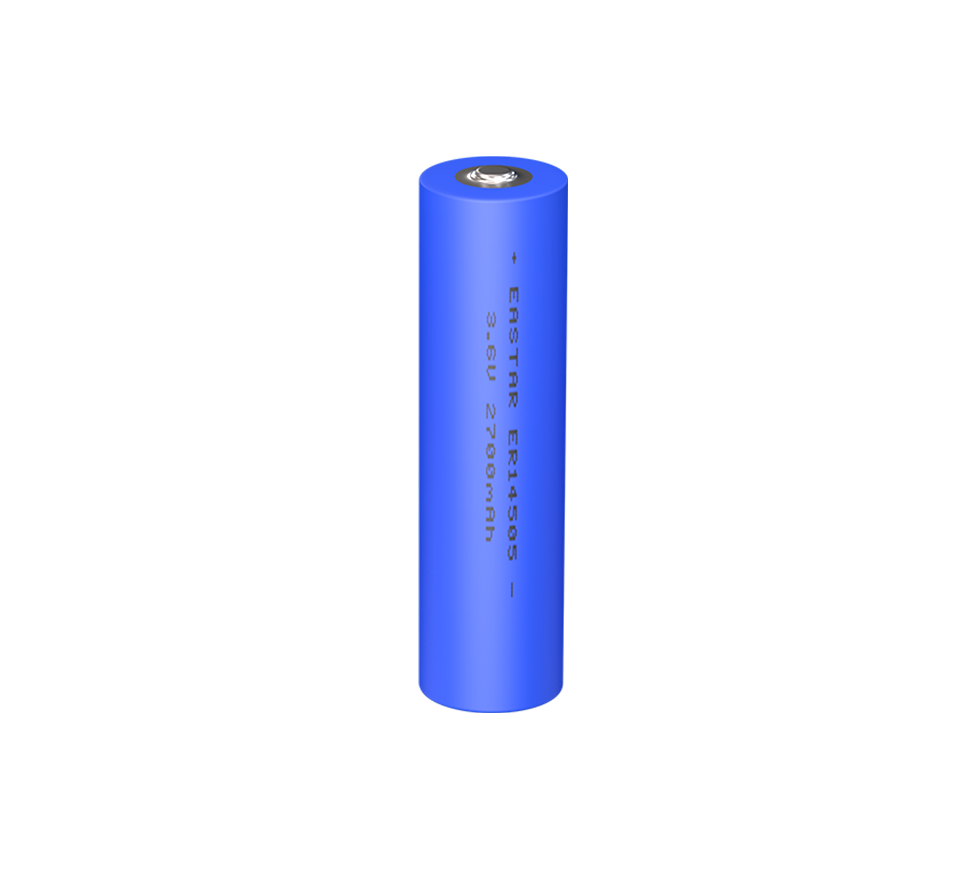
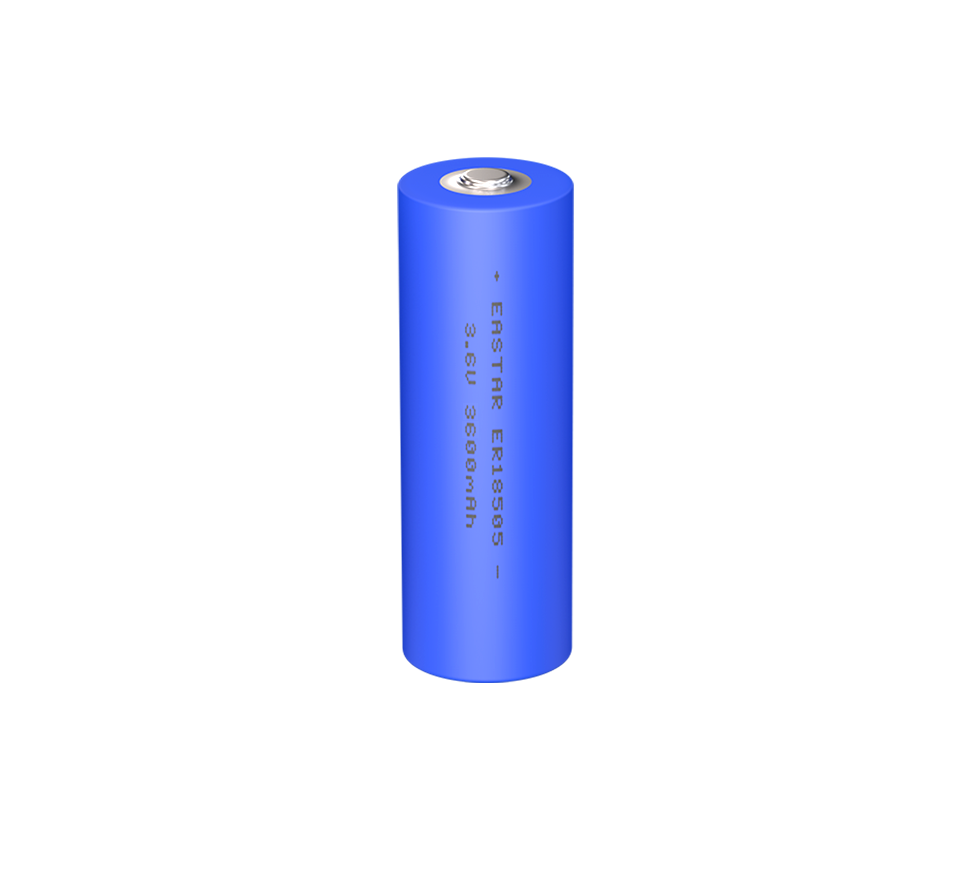
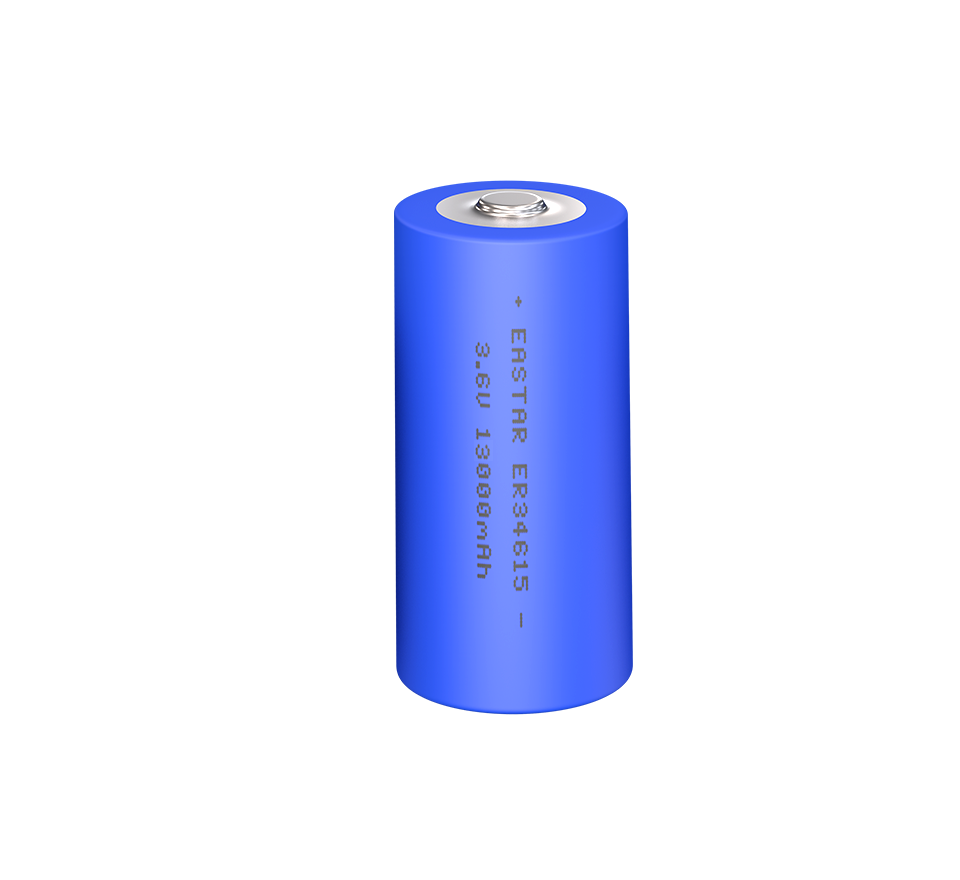
**(1) Lithium-Ion (Li-ion) Batteries**

  • Capacity: 2000–6000mAh (8–24 hours runtime).
  • Voltage: 3.7V (single-cell) or 7.4V (dual-cell).
  • Advantages:
    • High Energy Density: Powers bright LED panels (e.g., 500–1000 lux).
    • Fast Charging: 2–3 hours via USB-C (e.g., BenQ e-Reading Lamp).
  • Use Cases:
    • Portable Task Lamps: For study, work, or travel (e.g., TaoTronics TT-DL13).
    • Smart Lamps: App-controlled brightness/color temperature (e.g., Xiaomi Mi LED Desk Lamp Pro).

**(2) Lithium Polymer (Li-Po) Batteries**

  • Capacity: 1000–3000mAh (6–12 hours runtime).
  • Voltage: 3.7V (flexible pouch cells).
  • Advantages:
    • Ultra-Thin Design: Fits into slim lamp bases or arms (e.g., LEPOWER Metal Desk Lamp).
    • Lightweight: Critical for clamp-on or foldable lamps.
  • Use Cases:
    • Clip-On Reading Lights: Attaches to bookshelves or beds (e.g., Vekkia Rechargeable Lamp).
    • Emergency Lighting: Built-in power outage backup (e.g., Energizer LED Camping Lantern).

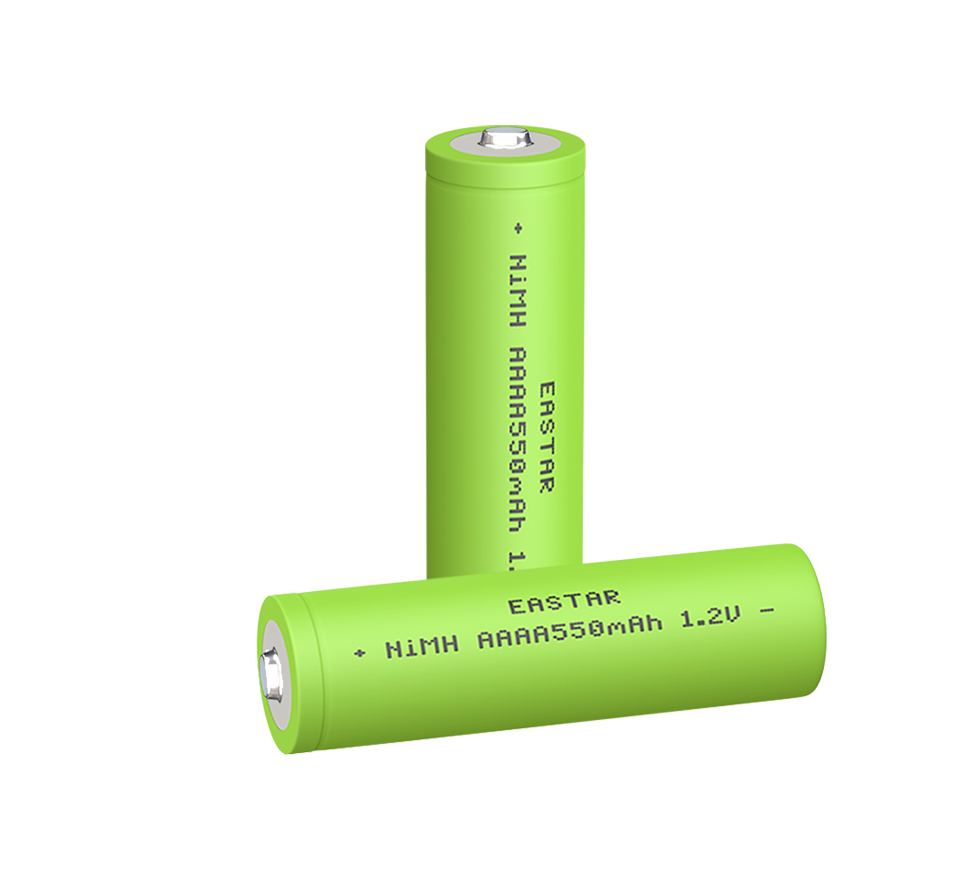
**(3) Nickel-Metal Hydride (NiMH) Batteries**

  • Capacity: 800–2500mAh (4–10 hours runtime).
  • Voltage: 1.2V per cell (often 2–4 cells).
  • Advantages:
    • Cost-Effective: Affordable for budget lamps (e.g., IKEA RIGGAD).
    • Recyclable: Lower environmental impact vs. Li-ion.
  • Drawbacks:
    • Self-Discharge: Loses 20–30% charge per month.


2. Performance Comparison


Battery TypeRuntimeCycle LifeWeightBest For
Li-ion8–24 hours500–800 cyclesModerate (150–300g)High-brightness task lighting
Li-Po6–12 hours300–500 cyclesLight (50–150g)Portable/clip-on lamps
NiMH4–10 hours500–1000 cyclesHeavy (200–400g)Budget or emergency lamps


3. Key Design Considerations


  1. Heat Dissipation:
    • Risk: High-brightness LEDs (e.g., 10W COB chips) generate heat, degrading battery life.
    • Solution: Aluminum heat sinks + thermal management in BMS.
  2. Weight Distribution:
    • Goal: Battery weight <30% of total lamp weight to prevent tipping (e.g., anglepoise lamps).
  3. Safety Certifications:
    • UL 2054: Ensures fire resistance for Li-ion/Li-Po cells.
    • FCC/CE: Compliance for wireless charging or smart features.


4. Charging & Energy-Saving Features


  1. Wireless Charging:
    • Qi-enabled bases (e.g., Philips 575080).
  2. Solar Integration:
    • Foldable solar panels for outdoor/emergency lamps (e.g., LuminAID PackLite Nova).
  3. Motion/Auto-Dimming:
    • Infrared sensors reduce brightness when idle (e.g., TaoTronics TT-DL16).


5. Maintenance Tips


  • Avoid Deep Discharges: Recharge Li-ion/Li-Po batteries before they drop below 20%.
  • Long-Term Storage: Store at 40–60% charge in cool, dry environments.
  • Recycle Responsibly: Use certified e-waste programs for Li-ion/NiMH batteries.


6. Case Studies


  1. BenQ e-Reading Lamp:
    • Battery: 5200mAh Li-ion (20 hours at 500 lux).
    • Smart Features: Auto-dimming, color temperature adjustment.
  2. Xiaomi Mi LED Desk Lamp Pro:
    • Battery: 3000mAh Li-Po (12 hours runtime).
    • Charging: USB-C with 2-hour fast charge.
  3. LEPOWER Metal Desk Lamp:
    • Battery: 2000mAh Li-ion (8 hours) + touch dimming.


7. Future Trends


  1. Graphene Batteries:
    • Faster charging (10-minute full charge) for high-end lamps (experimental).
  2. Transparent Solar Cells:
    • Integrated into lamp shades for self-charging (e.g., SolarWindow tech).
  3. Modular Battery Packs:
    • Swappable batteries for customizable runtime (e.g., Goal Zero Lighthouse 400).