Electric Shaver

Date:2025-03-21 Views:245

Battery Applications in Electric Shavers


Electric shavers demand batteries that provide consistent power, fast charging, and portability while ensuring safety and durability. Below is a detailed breakdown of battery technologies, performance metrics, and innovations in modern electric shavers:


1. Common Battery Types


**(1) Lithium-Ion (Li-ion) Batteries**

  • Capacity: 1000–2500mAh (30–60 minutes runtime).
  • Voltage: 3.7V (single-cell) or 7.4V (dual-cell).
  • Advantages:
    • Fast Charging: 1-hour full charge (e.g., Braun Series 9).
    • High Energy Density: Lightweight design for travel (e.g., Panasonic Arc5).
    • Low Self-Discharge: Holds charge for months (3% loss/month).
  • Use Cases:
    • Premium Cordless Shavers: Philips S9000 Prestige, Braun Series 7.
    • Wet/Dry Models: Waterproof shavers with sealed battery compartments.

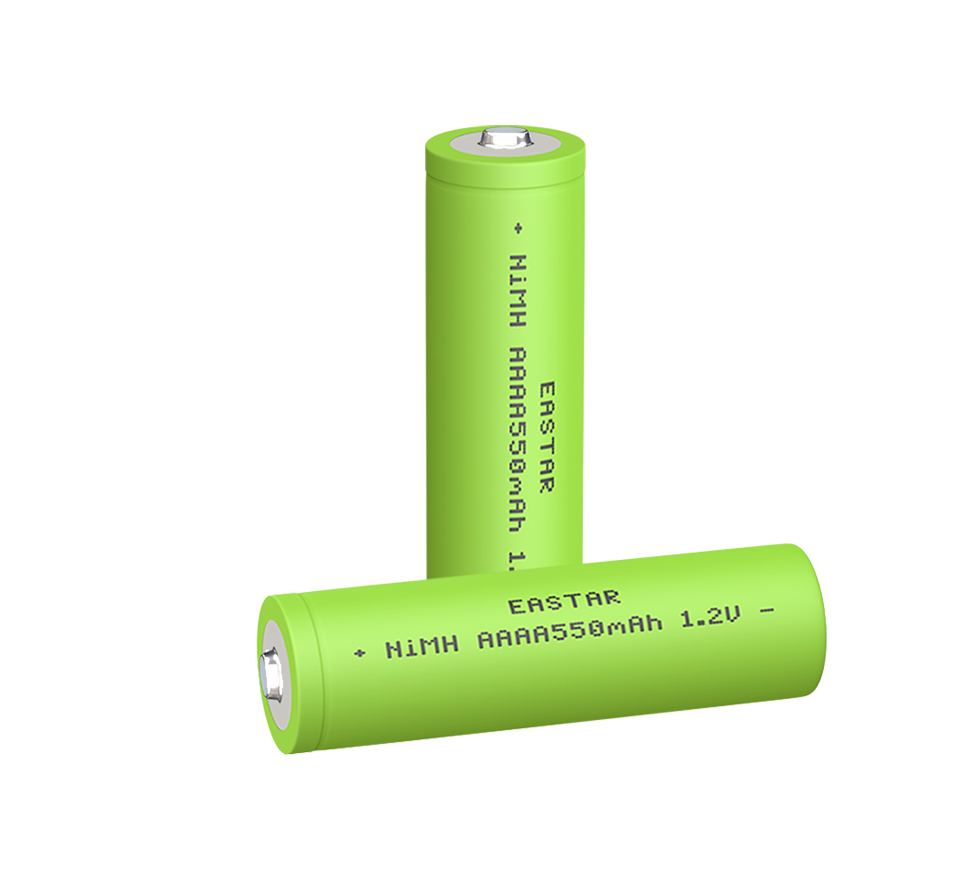
**(2) Nickel-Metal Hydride (NiMH) Batteries**

  • Capacity: 600–1500mAh (20–40 minutes runtime).
  • Voltage: 1.2V per cell (2–3 cells in series).
  • Advantages:
    • Cost-Effective: Budget-friendly for entry-level shavers (e.g., Remington F5).
    • Memory Effect Resistance: Partial charging doesn’t degrade capacity.
  • Drawbacks:
    • Heavier: 20–30% heavier than Li-ion equivalents.
    • Slower Charging: 8–12 hours for full charge.

**(3) Lithium Polymer (Li-Po) Batteries**

  • Capacity: 800–2000mAh (25–50 minutes runtime).
  • Voltage: 3.7V (flexible pouch cells).
  • Advantages:
    • Ultra-Slim Design: Fits into compact shavers (e.g., Philips OneBlade).
    • High Discharge Rate: Supports turbo modes for thick beards.
  • Use Cases:
    • Travel Shavers: Wahl Lifeproof, Gillette STYLER.


2. Performance Comparison


Battery TypeRuntimeCharge TimeWeightBest For
Li-ion30–60 minutes1–2 hoursLight (80–150g)High-end wet/dry shavers
NiMH20–40 minutes8–12 hoursHeavy (150–200g)Budget cordless shavers
Li-Po25–50 minutes1.5–3 hoursUltra-light (50–100g)Travel/trimming shavers


3. Key Design Challenges


  1. Power Consistency:
    • Challenge: Maintaining torque during dense beard cutting.
    • Solution: High-drain Li-ion cells (e.g., Braun Series 9’s 21,000 CPM motor).
  2. Waterproofing:
    • IPX7 Certification: Sealed Li-Po/Li-ion packs for shower-safe shavers (e.g., Panasonic ES-LV9Q).
  3. Heat Management:
    • Risk: Overheating during charging/shaving.
    • Mitigation: Thermal sensors + aluminum heat sinks (e.g., Philips 9000 Series).


4. Charging & Maintenance


  • Fast Charging:
    • USB-C PD support (e.g., Skull Shaver PALM PRO: 5-minute charge for 1 shave).
  • Wireless Charging:
    • Qi-enabled docks (e.g., Xiaomi Enchen Smart Beard Trimmer).
  • Storage Tips:
    • Store at 40–60% charge if unused for >3 months.
    • Avoid full discharges (<20%) for Li-ion longevity.


5. Case Studies


  1. Braun Series 9:
    • Battery: 2500mAh Li-ion (60 minutes runtime).
    • Features: 5-minute quick charge for 1 shave, 100% waterproof.
  2. Philips OneBlade:
    • Battery: 800mAh Li-Po (45 minutes runtime).
    • Charging: USB-powered, 8-hour standby after 5-minute charge.
  3. Panasonic Arc5:
    • Battery: 1400mAh Li-ion (45 minutes) with 10-stage charge indicator.


6. Future Trends


  1. Solid-State Batteries:
    • Safer, non-flammable cells for airline-friendly designs (experimental).
  2. AI-Powered Energy Management:
    • Adaptive power output based on beard density (patented by Procter & Gamble).
  3. Solar Charging:
    • Integrated solar panels for travel shavers (e.g., Luminaid Solar Shaver prototype).