Battery Applications in Radios
Radios, especially portable and emergency models, rely on batteries for durability, long runtime, and adaptability to harsh conditions. Below is a detailed breakdown of battery technologies, use cases, and innovations in modern radios:
1. Common Battery Types
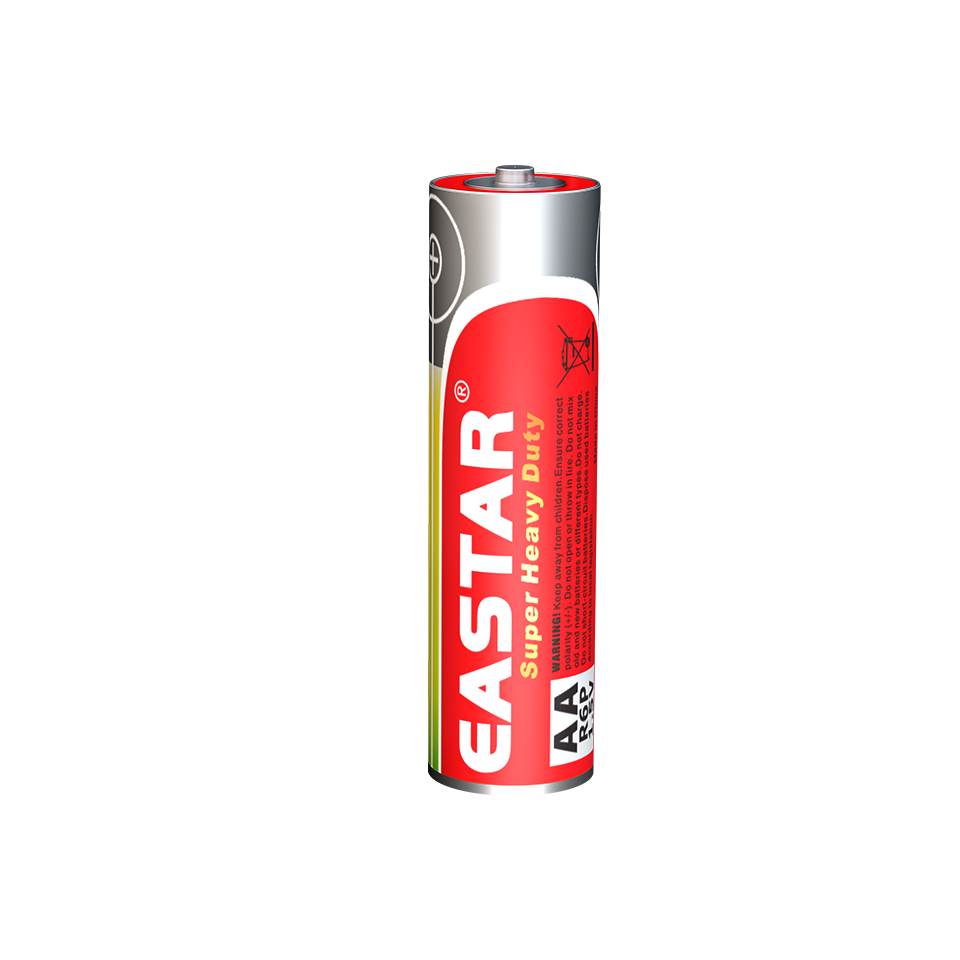
**(1) Alkaline Batteries (AA/AAA)**
- Voltage: 1.5V per cell (6V/9V for multi-cell configurations).
- Capacity: 2000–3000mAh (AA) / 800–1200mAh (AAA).
- Advantages:
- Widely Available: Easy replacement in remote areas.
- Low Cost: 0.50–2 per unit (e.g., Duracell Coppertop).
- Use Cases:
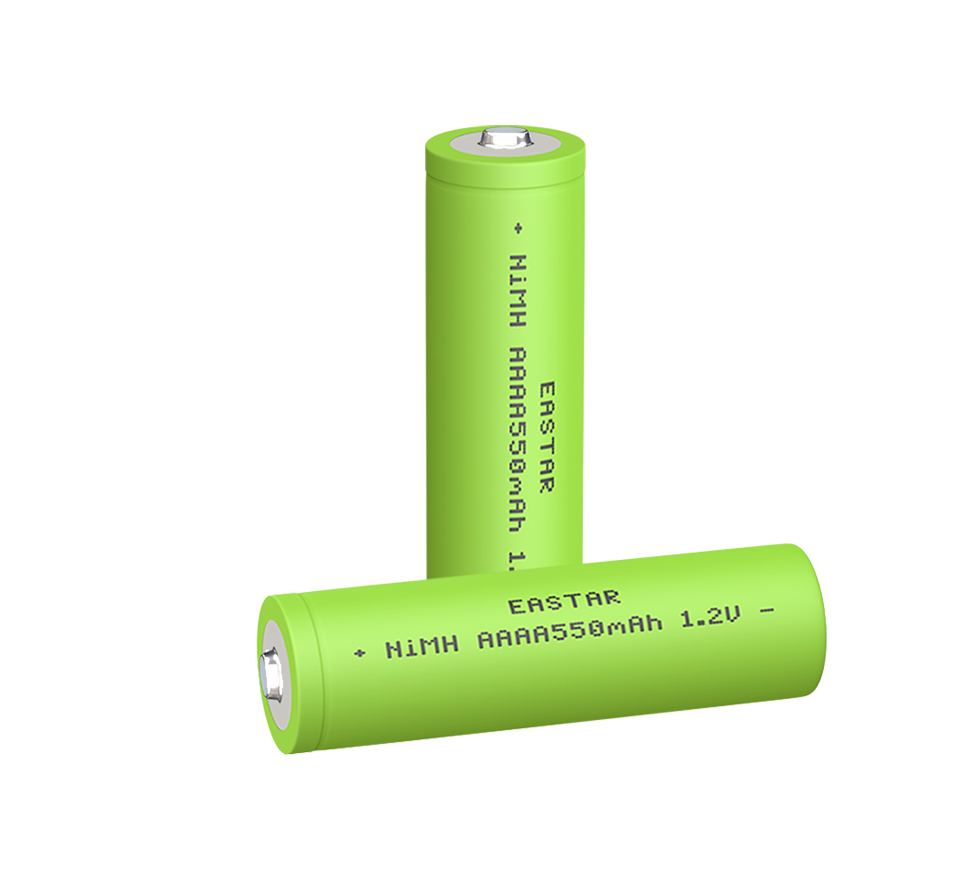
**(2) Nickel-Metal Hydride (NiMH) Rechargeables**
- Voltage: 1.2V per cell (7.2V/8.4V for 6–7 cells).
- Capacity: 2000–2500mAh (AA).
- Advantages:
- Reusable: 500+ cycles (e.g., Panasonic Eneloop).
- Cold Weather Performance: Works down to -20°C.
- Use Cases:
**(3) Lithium-Ion (Li-ion) Batteries**
- Voltage: 3.7V (single-cell) or 7.4V (dual-cell).
- Capacity: 2000–5000mAh (10–30 hours runtime).
- Advantages:
- High Energy Density: Lightweight for handheld units (e.g., Baofeng UV-5R).
- Fast Charging: 2–3 hours via USB-C (e.g., Sangean MMR-88).
- Use Cases:
**(4) Specialty Batteries**
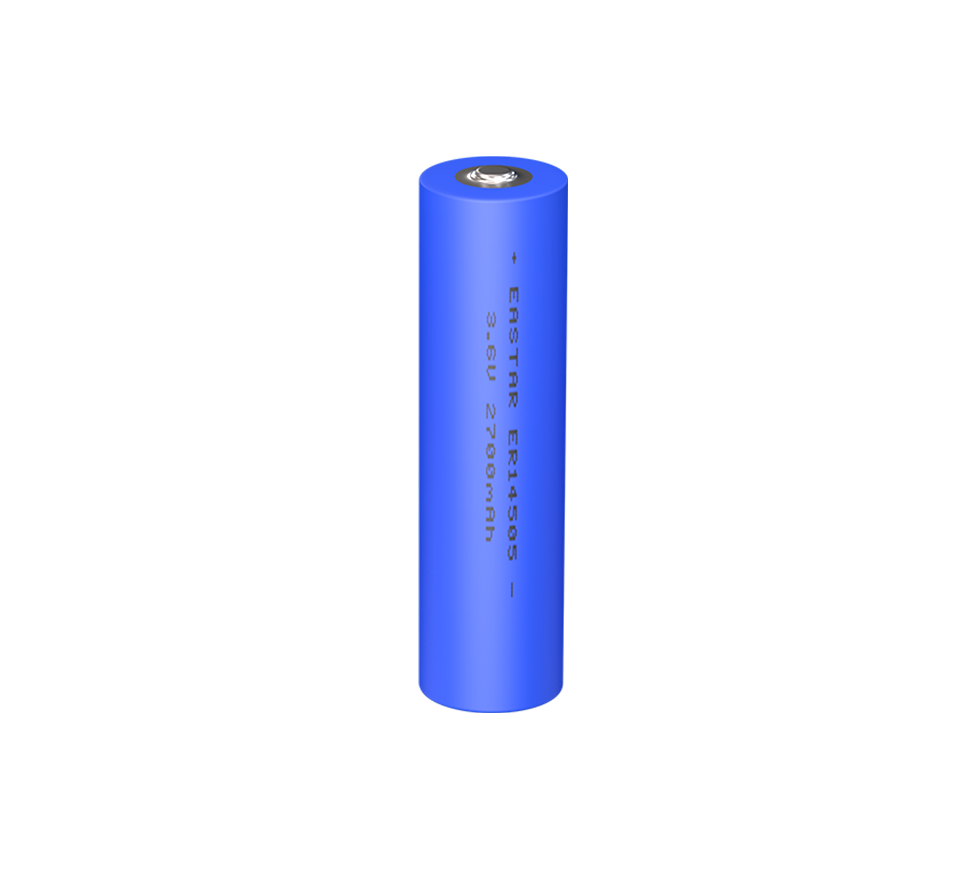
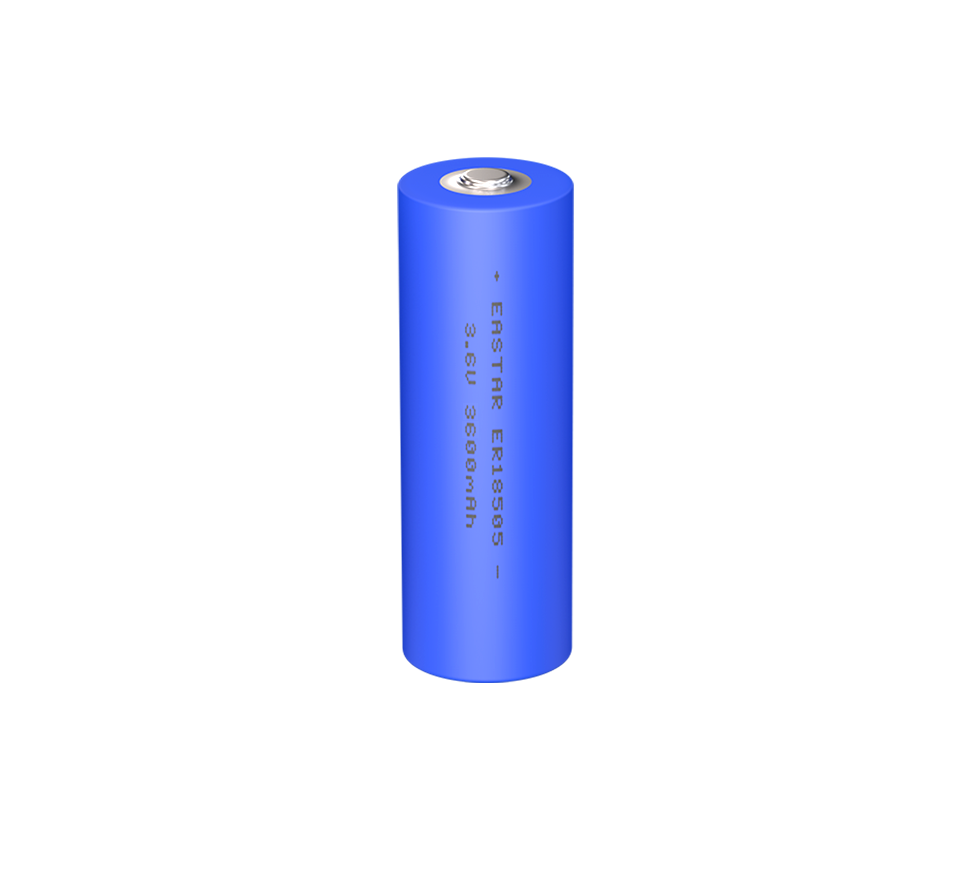
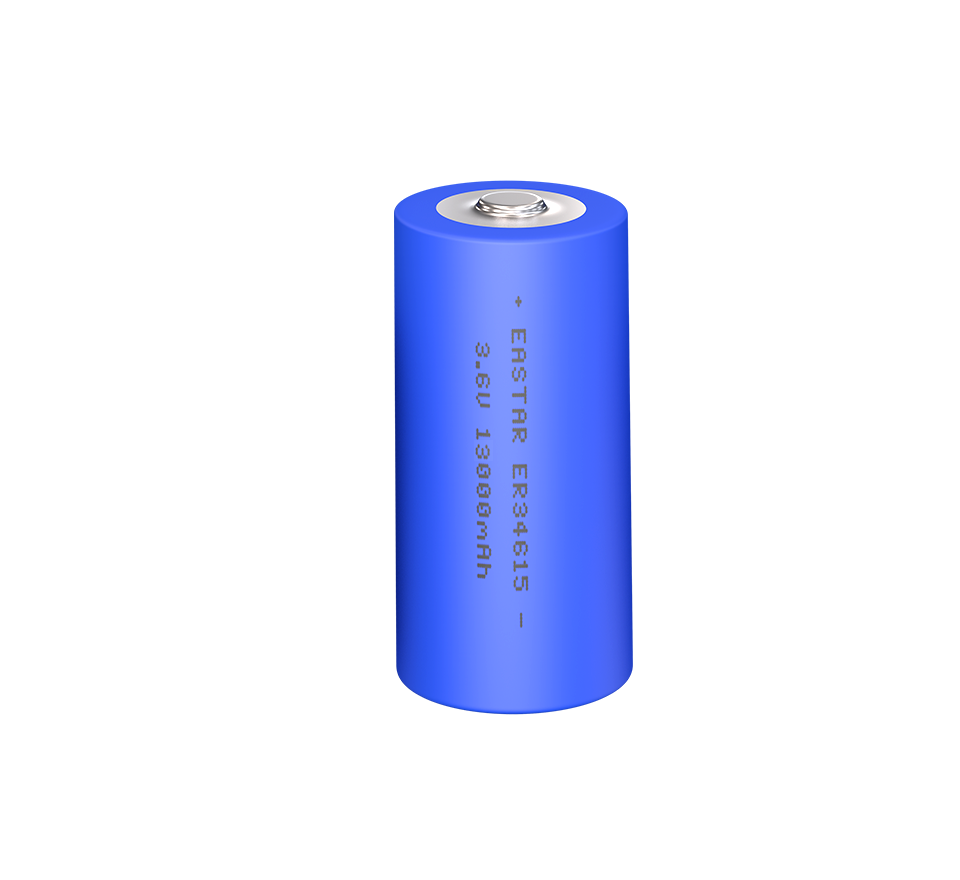
- Lithium Iron Disulfide (Li-FeS₂):
- Voltage: 1.5V (AA/AAA).
- Advantages: Extreme temperature (-40°C to 60°C) and 20-year shelf life (e.g., Energizer Ultimate Lithium).
- Hand-Crank/Solar Hybrids:
2. Performance Comparison
| Battery Type | Runtime | Temperature Range | Cost per Cycle | Best For |
|---|
| Alkaline | 20–50 hours | -10°C to 50°C | 0.05–0.10/Wh | Casual listening, emergencies |
| NiMH | 15–40 hours | -20°C to 50°C | 0.02–0.05/Wh | Field operations, renewable charging |
| Li-ion | 10–30 hours | 0°C to 45°C | 0.10–0.20/Wh | Digital/high-drain radios |
| Lithium AA (Li-FeS₂) | 50–80 hours | -40°C to 60°C | 0.15–0.30/Wh | Arctic expeditions, long-term storage |
3. Key Design Challenges
- Power Efficiency:
- Digital Radios: DSP chips and LCD screens consume 1–3W (vs. 0.5W for analog).
- Solution: Low-power ICs (e.g., Silicon Labs Si4836).
- Water/Dust Resistance:
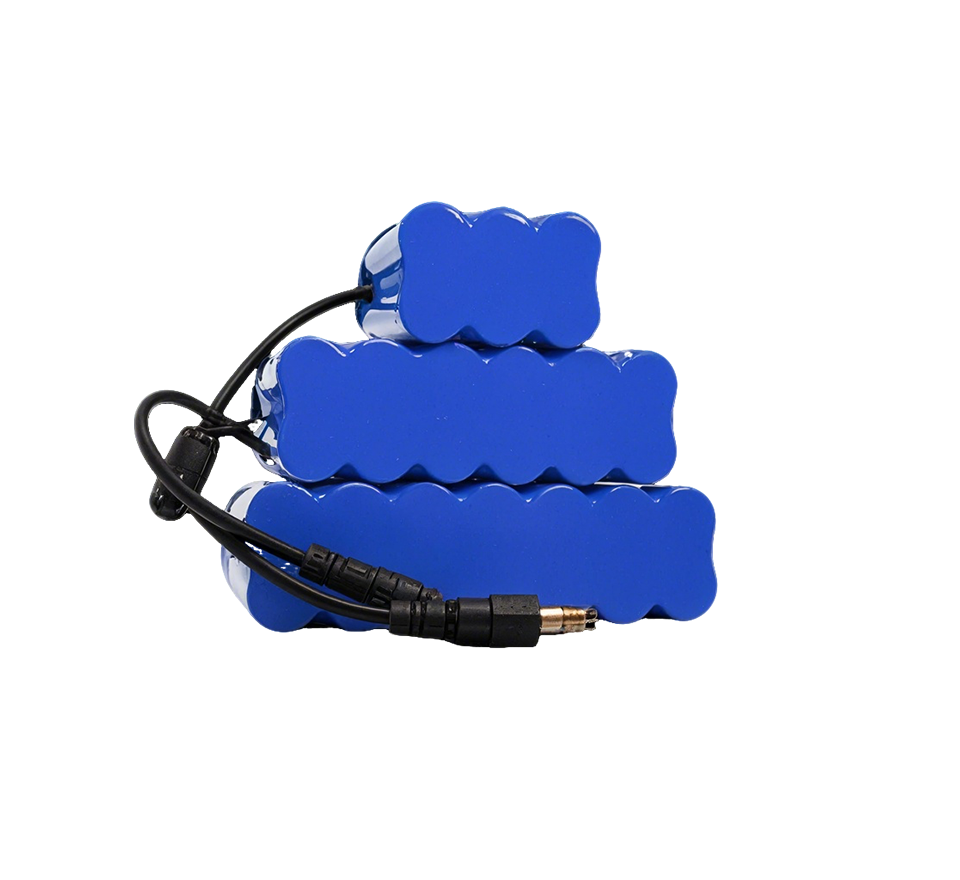
- IP67 Batteries: Sealed Li-ion packs for rugged radios (e.g., Motorola T800).
- Energy Harvesting:
4. Maintenance & Optimization
- Alkaline/NiMH:
- Remove batteries if unused for >1 month to prevent leakage.
- Li-ion:
- Avoid deep discharges (<20%); store at 40–60% charge.
- Hand-Crank Systems:
5. Case Studies
- Eton FRX3+ Emergency Radio:
- Batteries: 2000mAh Li-ion + solar/hand-crank.
- Runtime: 32 hours (AM/FM), 15 hours (NOAA alerts).
- Tecsun PL-990 Digital Radio:
- Battery: 2600mAh Li-ion (20 hours at mid-volume).
- Charging: USB-C or optional solar panel.
- Motorola T800 Two-Way Radio:
6. Future Trends
- Solid-State Batteries:
- Safer, higher-capacity cells for extreme environments (e.g., QuantumScape prototypes).
- Graphene Supercapacitors:
- Instant charge from hand-crank/solar (experimental: SONY Energy Storage).
- AI-Driven Power Management: