Festival Decorative Lights

Date:2025-03-21 Views:124

Battery Applications in Festival Decorative Lights


Festival decorative lights require batteries that balance portability, weather resistance, and long runtime for vibrant, uninterrupted illumination. Below is a detailed breakdown of battery technologies, use cases, and innovations for festive lighting systems:


1. Common Battery Types


**(1) Lithium-Ion (Li-ion) Batteries**

  • Capacity: 1000–5000mAh (8–48 hours runtime).
  • Voltage: 3.7V (single-cell) or 7.4V (dual-cell).
  • Advantages:
    • Rechargeable: USB-C or solar charging (e.g., Twinkly Flex Outdoor Lights).
    • High Energy Density: Powers RGB LEDs and programmable effects.
  • Use Cases:
    • Smart String Lights: App-controlled color and pattern customization.
    • Portable LED Displays: Battery-powered stage backdrops (e.g., LumiAura Festoon).

**(2) Lithium Coin Cells (CR2032/CR2450)**

  • Capacity: 200–600mAh (10–30 hours runtime).
  • Voltage: 3V (single-cell).
  • Advantages:
    • Compact Size: Fits into miniature fairy lights (e.g., IKEA Vinterfest).
    • Low Self-Discharge: 2–3% per year (ideal for seasonal use).
  • Drawbacks:
    • Non-Rechargeable: Requires frequent replacement.

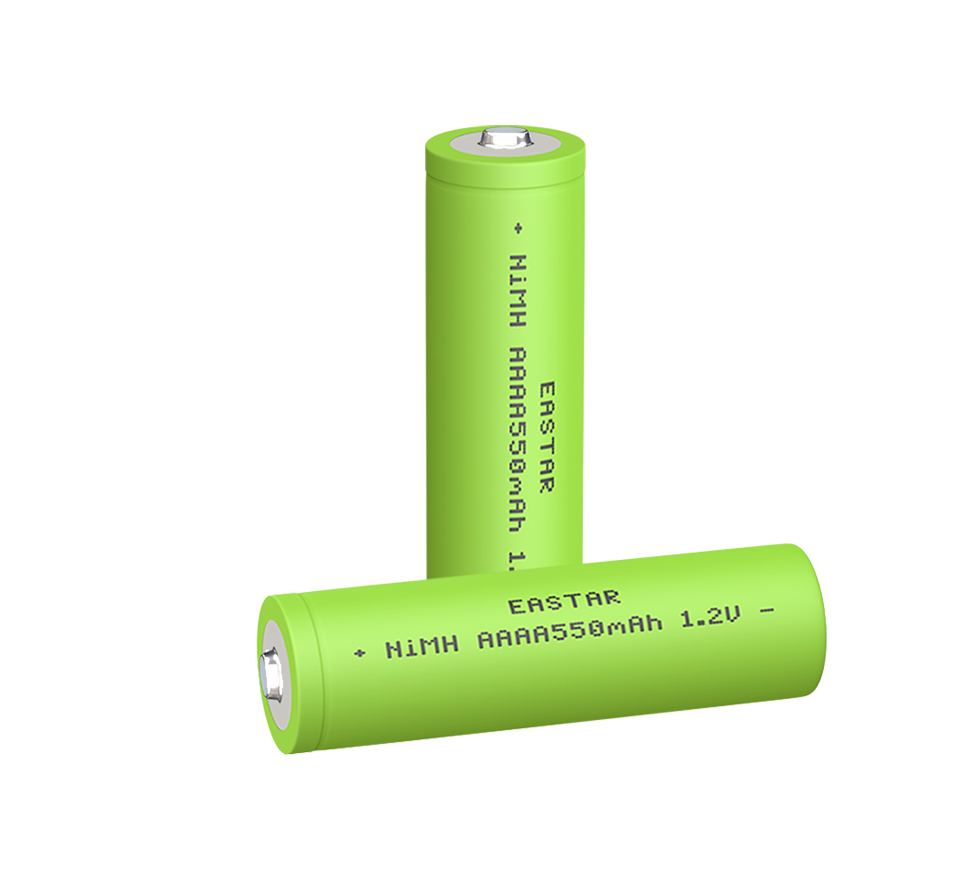
**(3) Nickel-Metal Hydride (NiMH) Batteries**

  • Capacity: 800–2500mAh (6–20 hours runtime).
  • Voltage: 1.2V per cell (6V/12V packs).
  • Advantages:
    • Cost-Effective: Reusable for multi-day festivals (e.g., Energizer Recharge Pro).
    • Cold Weather Performance: Operates down to -10°C.
  • Use Cases:
    • Outdoor Fairy Lights: Weather-resistant garden decorations.
    • Solar Hybrid Kits: Combines NiMH with solar panels (e.g., Brightech Ambience Pro).

**(4) Solar-Rechargeable Batteries**

  • Capacity: 2000–10,000mAh (indefinite runtime with sunlight).
  • Voltage: 3.7V (Li-ion) or 6V (SLA).
  • Advantages:
    • Sustainable: Daytime solar charging (e.g., MPOWERD Luci Solar String Lights).
    • Off-Grid Use: Ideal for remote festivals.


2. Performance Comparison


Battery TypeRuntimeWeather ResistanceCost per CycleBest For
Li-ion8–48 hoursIP65 (waterproof)0.10–0.20/WhProgrammable RGB lights
Coin Cells10–30 hoursLimited (indoor use)0.30–0.50/WhMiniature fairy lights
NiMH6–20 hoursIP44 (splash-proof)0.05–0.10/WhBudget outdoor decorations
Solar HybridUnlimited*IP670.02–0.05/WhEco-friendly festivals


3. Key Design Challenges


  1. Weatherproofing:
    • IP67/IP68 Batteries: Essential for rain or snow (e.g., Philips Hue Lily Outdoor).
    • Sealed Connectors: Prevent corrosion in saltwater/beach festivals.
  2. Heat Management:
    • High-density LED strips generate heat; Li-ion packs require thermal cutoffs.
  3. Weight vs. Runtime:
    • Portable designs limit battery size (e.g., 500g max for hanging lanterns).


4. Charging & Energy-Saving Features


  1. Solar Integration:
    • Foldable 5W panels (e.g., Luminoodle Solar) charge during daytime events.
  2. Motion/Ambient Light Sensors:
    • Auto-off during daylight or inactivity (e.g., Brightech Sparq Starry Lights).
  3. Wireless Charging Pads:
    • Qi-enabled bases for tabletop decorations (e.g., IKEA Varmblixt).


5. Case Studies


  1. Twinkly Flex Outdoor Lights:
    • Battery: 4400mAh Li-ion (24-hour runtime at 50% brightness).
    • Features: Music-sync modes, app-controlled effects.
  2. MPOWERD Luci Solar String Lights:
    • Battery: 2000mAh solar Li-ion (6 hours runtime, 8-hour solar charge).
  3. Brightech Ambience Pro:
    • Battery: 12V 8Ah NiMH + solar panel (48-hour backup).


6. Future Trends


  1. Transparent Solar Films:
    • Integrated into decorative shapes (e.g., solar-powered glass orbs).
  2. Biodegradable Batteries:
    • Cellulose-based cells for eco-conscious events (experimental: NEC prototypes).
  3. Smart Grid Integration:
    • Swarm charging via shared solar hubs at large festivals.