Drilling Machine

Date:2025-03-21 Views:133


Battery Applications in Cordless Drills


Cordless drills rely on advanced battery technologies to deliver high torque, portability, and extended runtime for drilling and driving tasks. Below is a detailed breakdown of battery types, performance metrics, and innovations, focusing on technical specifications and universal design principles:


1. Common Battery Types


**(1) Lithium-Ion (Li-ion) Batteries**

  • Voltage: 12V, 18V/20V MAX, 40V (for heavy-duty applications).
  • Capacity: 2.0–6.0Ah (20–60 minutes of continuous use).
  • Advantages:
    • High Energy Density: Compact and lightweight for ergonomic designs.
    • Fast Charging: 30–60 minutes with smart chargers.
    • No Memory Effect: Supports partial charging without capacity loss.
  • Use Cases:
    • General-Purpose Drilling: Wood, metal, and light masonry.
    • High-Torque Applications: Hammer drills and impact drivers.

**(2) Lithium Polymer (Li-Po) Batteries**

  • Voltage: 12V–24V.
  • Capacity: 1.5–4.0Ah (15–40 minutes runtime).
  • Advantages:
    • Flexible Form Factor: Ideal for slim, compact drill bodies.
    • Low Self-Discharge: Retains charge during storage.
  • Drawbacks: Lower peak power compared to Li-ion.

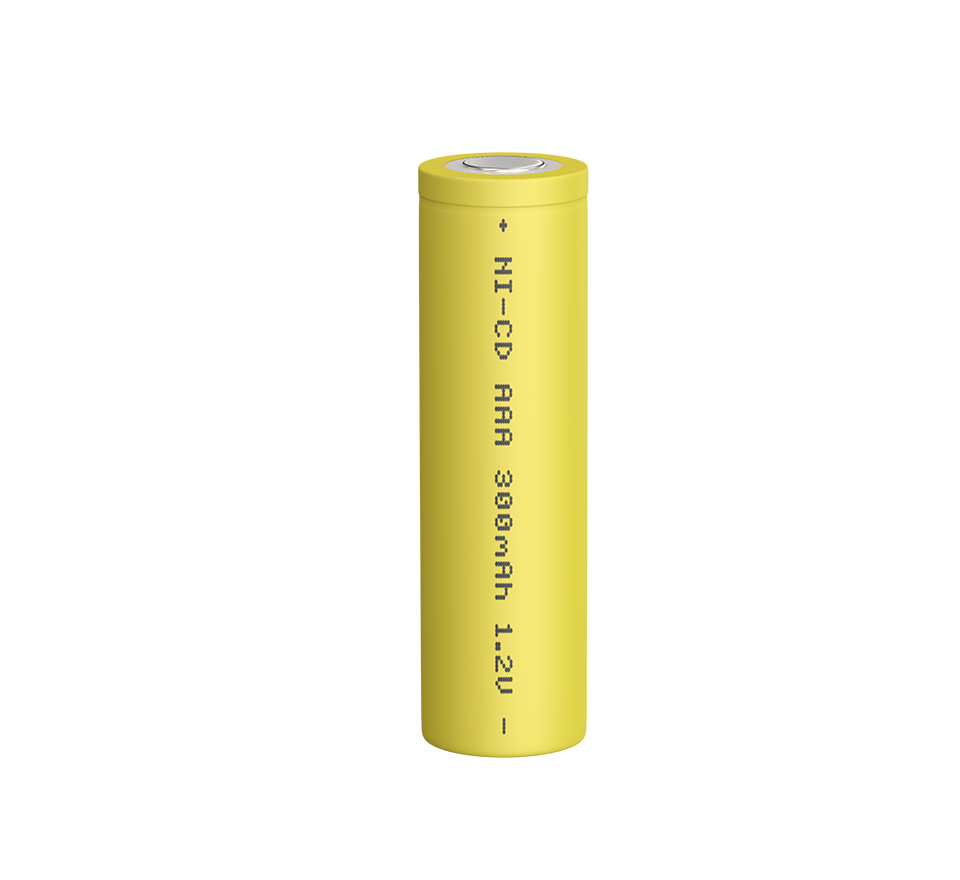
**(3) Nickel-Cadmium (NiCd) Batteries** 

  • Voltage: 14.4V–18V.
  • Capacity: 1.3–3.0Ah.
  • Advantages:
    • Cold Weather Performance: Operates down to -20°C.
  • Drawbacks: Heavy weight, memory effect, and environmental concerns.


2. Performance Comparison


Battery TypeRuntimeCharge TimeWeightBest For
Li-ion20–60 minutes30–60 minsLight (300–500g)Most drilling/driving tasks
Li-Po15–40 minutes45–90 minsUltra-light (200–400g)Compact DIY tools
NiCd10–30 minutes2–4 hoursHeavy (500–800g)Legacy tools, cold environments


3. Key Design Challenges


  1. Heat Dissipation:
    • Challenge: High-load tasks generate heat, reducing efficiency.
    • Solution: Integrated thermal sensors and aluminum heat sinks.
  2. Power-to-Weight Ratio:
    • Optimization: Balancing voltage (e.g., 18V vs. 40V) with user comfort.
  3. Durability:
    • IP54+ Protection: Dust/water resistance for rugged job sites.


4. Charging & Maintenance


  • Fast Charging:
    • Smart chargers with voltage/current optimization.
  • Battery Management Systems (BMS):
    • Prevents overcharging, over-discharging, and short circuits.
  • Storage Tips:
    • Store at 40–60% charge in cool, dry environments.


5. Case Studies (Generic Applications)


  1. Compact DIY Drill:
    • Battery: 12V 2.0Ah Li-ion (25-minute runtime, USB-C rechargeable).
    • Features: Lightweight design for household tasks.
  2. Professional-Grade Hammer Drill:
    • Battery: 20V MAX 5.0Ah Li-ion (50+ minutes of concrete drilling).
  3. Ultra-Light Trim Drill:
    • Battery: 12V 1.5Ah Li-Po (30-minute runtime, fits in tight spaces).


6. Future Trends


  1. Solid-State Batteries:
    • Higher energy density and safety for extreme-duty tools.
  2. AI-Driven Power Management:
    • Adaptive torque control based on material hardness.
  3. Solar-Powered Charging Stations:
    • Off-grid energy solutions for construction sites.