Smoke Detector

Date:2025-03-21 Views:208

Battery Applications in Smoke Alarms


Smoke alarms require batteries that provide decade-long reliability, low self-discharge, and fail-safe operation to ensure life-saving functionality. Below is a technical breakdown of battery technologies, performance standards, and critical design considerations for smoke detection systems:


1. Common Battery Types


**(1) Alkaline Batteries**

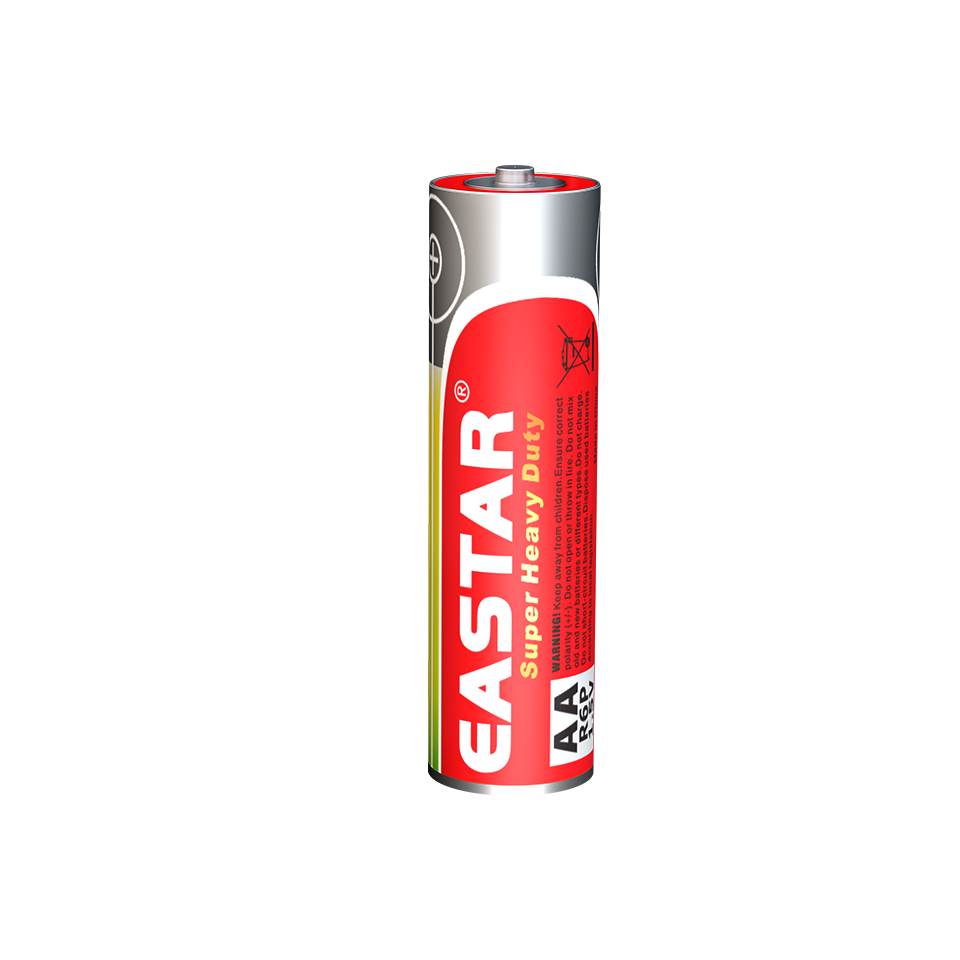
  • Voltage: 1.5V (AA/9V).
  • Capacity: 500–1200mAh (1–2 years runtime).
  • Advantages:
    • Low Cost: Easy replacement (e.g., 9V standard alarms).
  • Drawbacks: Frequent replacements, leakage risk.


**(2) Lithium Iron Disulfide (Li-FeS₂)**

  • Voltage: 1.5V (AA/AAA).
  • Capacity: 3000–3500mAh (10+ years runtime).
  • Advantages:
    • Ultra-Low Self-Discharge: <1% per year.
    • Extreme Temperature Resilience: -40°C to 70°C.
  • Use Cases:
    • Sealed Long-Life Alarms: Pre-installed in devices (e.g., 10-year sealed alarms).
    • Hardwired Backup: Compliant with NFPA 72 for building codes.


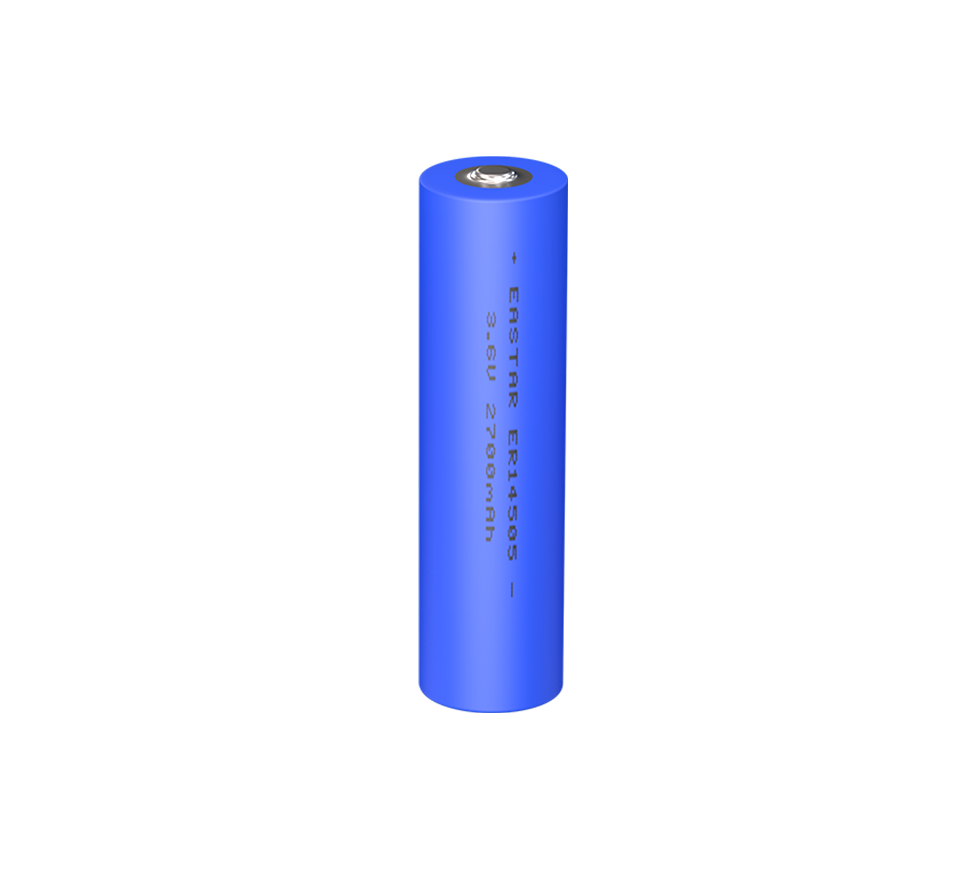
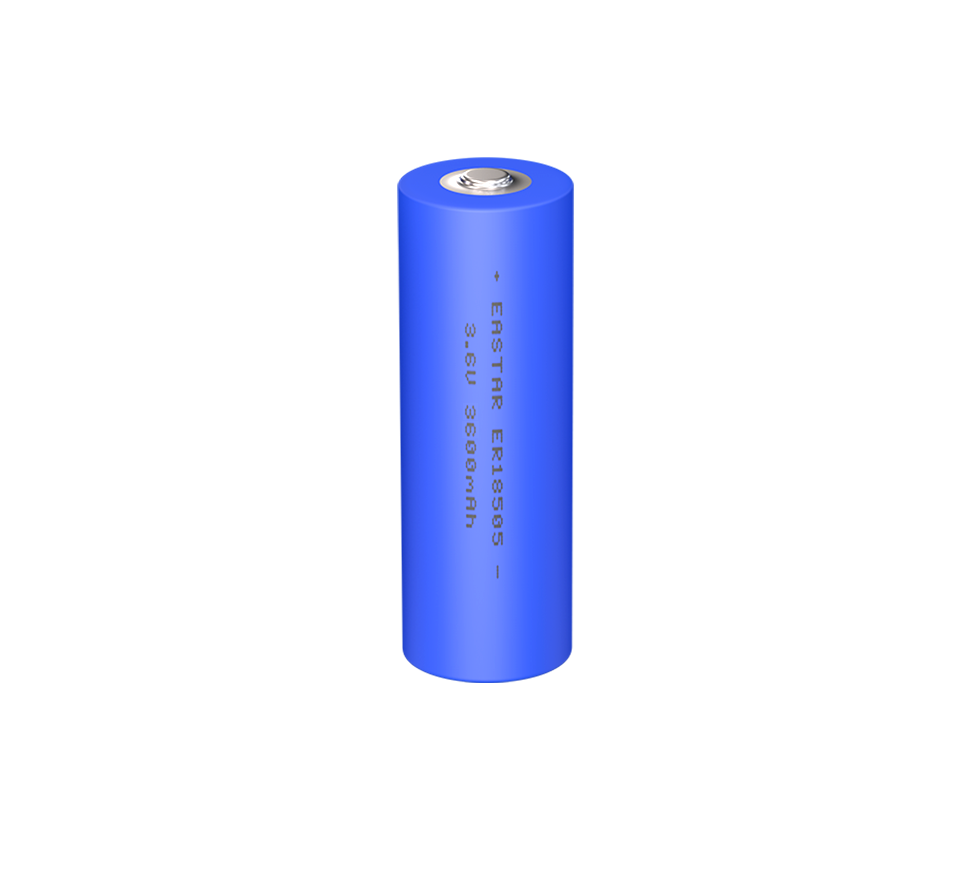
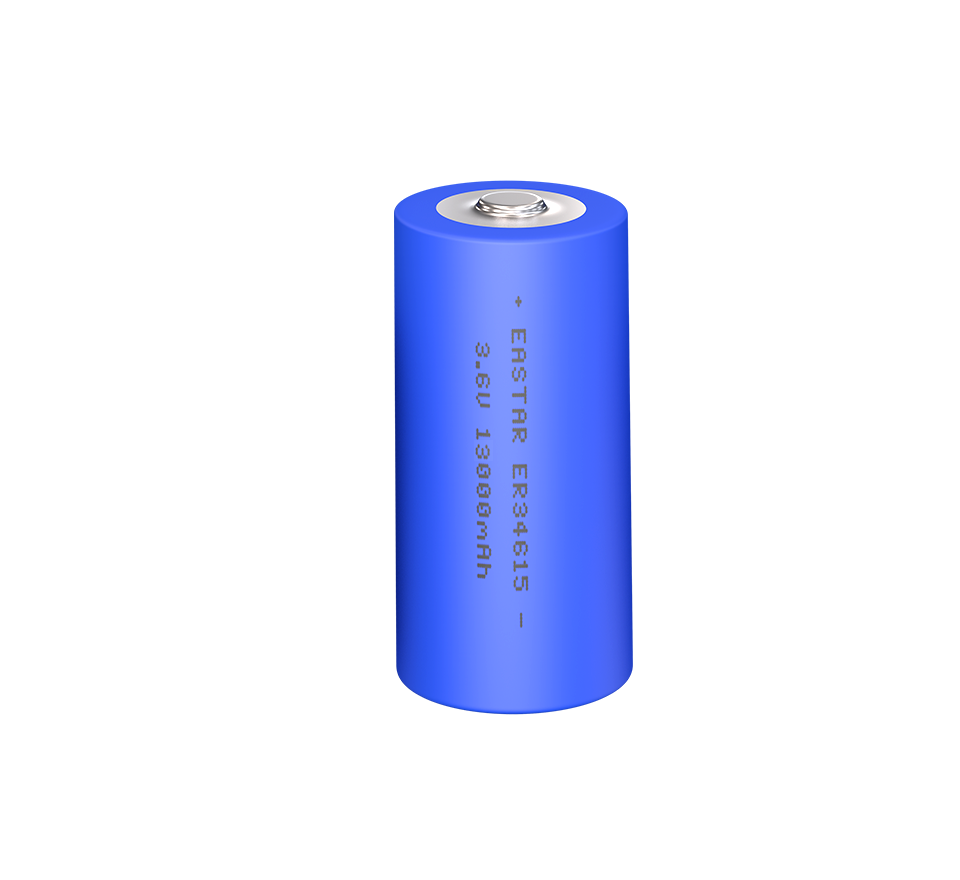
**(3) Lithium Thionyl Chloride (Li-SOCl₂)**

  • Voltage: 3.6V (CR123A/2CR5).
  • Capacity: 1.2–2.4Ah (10–15 years runtime).
  • Advantages:
    • Highest Energy Density: Ideal for interconnected or smart alarms.
    • Hermetic Sealing: Leak-proof for humid environments.
  • Drawbacks: Higher cost than alkaline.


2. Performance Comparison


Battery TypeLifespanTemp RangeSafety CertificationsBest For
Li-FeS₂10+ years-40°C to 70°CUL 1642, IEC 60086Sealed, maintenance-free units
Li-SOCl₂10–15 years-55°C to 85°CATEX, IECExIndustrial/smart systems
Alkaline1–2 years0°C to 50°CNone (consumer-grade)Basic replaceable alarms


3. Key Design Challenges


  1. Long-Term Reliability:
    • Solution: Li-FeS₂/Li-SOCl₂ with 10-year warranties.
  2. Low-Power Circuitry:
    • Standby Draw: <20µA to maximize battery life.
  3. Leakage Prevention:
    • Sealed Battery Compartments: Mandatory for Li-based cells.


4. Maintenance & Compliance


  • Regulatory Standards:
    • UL 217: Requires low-battery alerts (30-day warning).
    • NFPA 72: Mandates 10-year sealed alarms in new constructions.
  • Replacement Guidelines:
    • Replace alkaline batteries annually; lithium units after 10 years.


5. Case Studies (Generic Applications)


  1. 10-Year Sealed Alarm:
    • Battery: 3V Li-FeS₂ (AA, 10-year lifespan).
    • Features: Tamper-proof, interconnected via RF.
  2. Smart Smoke/CO Detector:
    • Battery: 3.6V Li-SOCl₂ (CR123A, 15-year lifespan).
    • Connectivity: Wi-Fi/Bluetooth with app alerts.
  3. Basic Replaceable Alarm:
    • Battery: 9V alkaline (1-year lifespan, audible low-battery chirp).


6. Future Trends


  1. Energy Harvesting:
    • Thermoelectric or piezoelectric charging from ambient heat/vibrations.
  2. IoT Integration:
    • Self-diagnostic batteries that report health via mesh networks.
  3. Biodegradable Cells:
    • Eco-friendly alternatives for disposable alarms (experimental).