Camera

Date:2025-03-21 Views:149

Battery Applications in Cameras


Cameras, from consumer-grade to professional equipment, rely on batteries for portability, high-performance operation, and uninterrupted shooting. Below is a detailed breakdown of battery technologies, use cases, and design considerations tailored to various camera types:


1. Common Battery Types


**(1) Lithium-Ion (Li-ion)**

  • Voltage: 7.2V–7.4V (DSLR/mirrorless), 3.7V (compact/action cams).
  • Capacity: 1000–5000mAh (300–1500 shots per charge).
  • Advantages:
    • High Energy Density: Powers high-res sensors and 4K video.
    • Fast Charging: USB-C PD support (e.g., 0–80% in 1 hour).
  • Use Cases:
    • DSLR/Mirrorless: Extended shooting sessions.
    • Action Cameras: Compact, rugged designs for outdoor use.


**(2) Lithium Polymer (Li-Po)**

  • Voltage: 3.7V–7.4V.
  • Capacity: 800–3000mAh.
  • Advantages:
    • Ultra-Thin Design: Fits slim bodies (e.g., compact cameras).
    • Lightweight: Ideal for drones with onboard cameras.
  • Drawbacks: Lower cycle life (300–500 cycles).


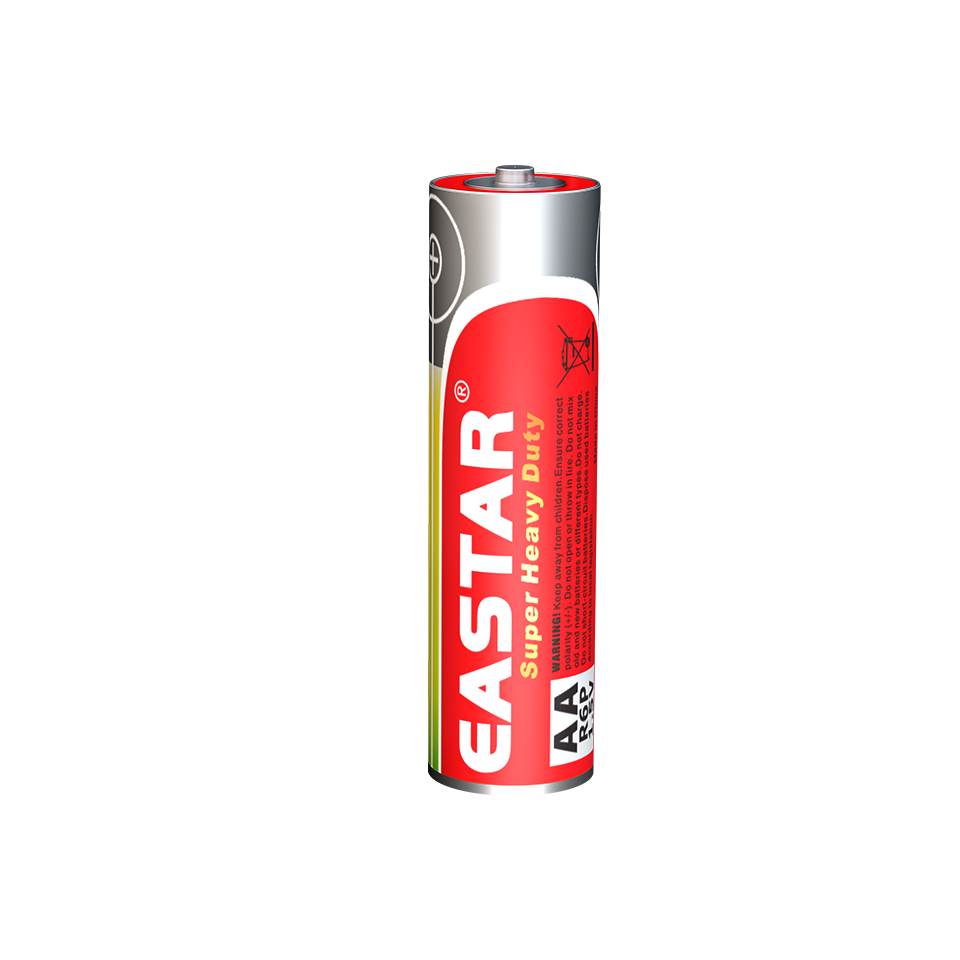
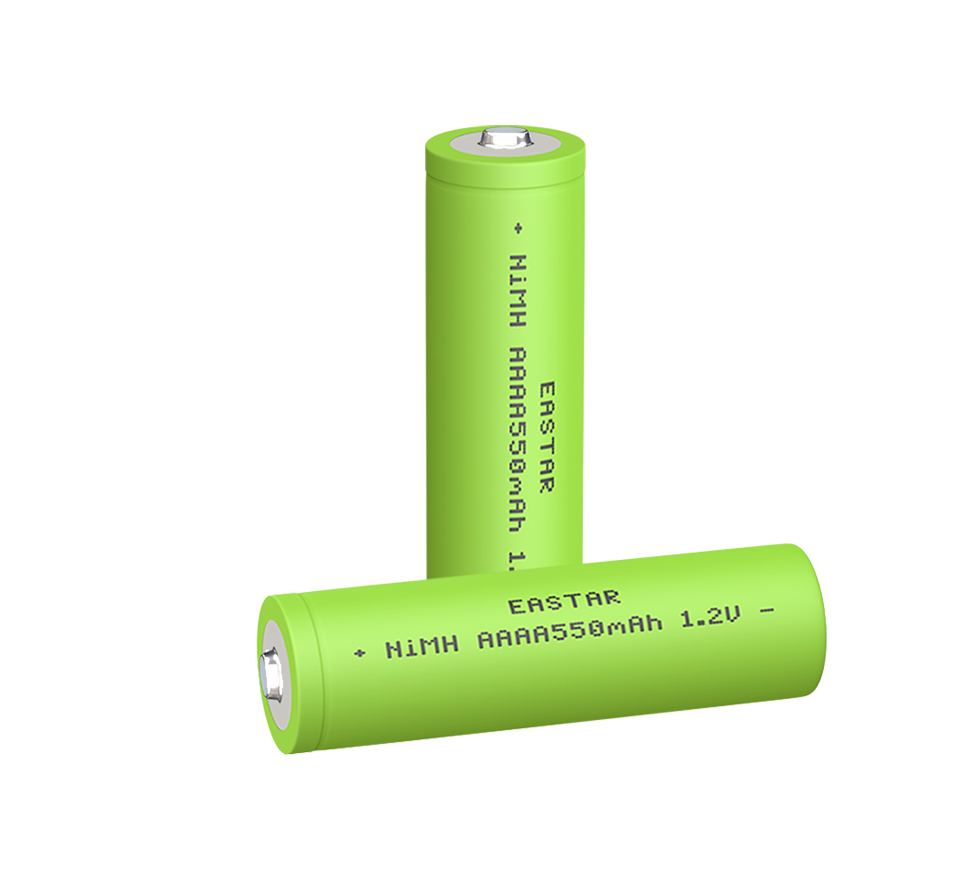
**(3) AA/AAA Batteries**

  • Voltage: 1.5V (alkaline) or 1.2V (NiMH).
  • Capacity: 500–2500mAh (NiMH).
  • Advantages:
    • Replaceable: No downtime with spare packs.
    • Cold Weather Use: Reliable in low temps (Li-FeS₂ AA).
  • Use Cases:
    • Point-and-Shoot Cameras: Budget-friendly models.
    • Trail Cameras: Long-term deployment in remote areas.


2. Performance Comparison


Battery TypeVoltageCapacityShots/ChargeBest For
Li-ion7.4V2000mAh800–1200 (DSLR)Professional photography
Li-Po3.7V1200mAh300–500 (Compact)Vlogging, travel
AA (NiMH)1.2V x 42500mAh200–400 (Trail)Wildlife/security monitoring


3. Key Design Challenges


  1. Power-Hungry Features:
    • 4K Video: Draws 2–4W, reducing runtime by 30–50%.
    • Image Stabilization: Adds 0.5–1W drain.
  2. Heat Management:
    • Solution: Thermal pads and heat sinks in high-end bodies.
  3. Size Constraints:
    • Action Cameras: Batteries must weigh <50g (e.g., GoPro-style).


4. Charging & Energy-Saving Solutions


  1. USB-C PD:
    • Fast charging while transferring files (e.g., 65W laptop chargers).
  2. Swappable Packs:
    • Hot-swap grips for DSLRs during shoots.
  3. Solar Integration:
    • Foldable panels for trail/security cameras (e.g., 5W, 8-hour charge).


5. Case Studies (Generic Applications)


  1. Professional DSLR:
    • Battery: 7.4V 2500mAh Li-ion (1200 shots, 4K/30fps video).
    • Features: Dual slots for extended shoots.
  2. Compact Travel Camera:
    • Battery: 3.7V 1200mAh Li-Po (400 shots, USB-C recharge).
  3. Wildlife Trail Camera:
    • Battery: 8x AA Li-FeS₂ (12-month standby, -30°C operation).


6. Future Trends


  1. Solid-State Batteries:
    • Safer, higher-capacity cells for extreme environments.
  2. AI Power Optimization:
    • Adaptive drain reduction based on usage (e.g., disabling unused features).
  3. Wireless Charging Pads:
    • Built into camera bags or tripods.