TPMS(Tire Pressure Monitoring System)

Date:2025-03-21 Views:207


Battery Applications in Tire Pressure Monitoring Sensors (TPMS)


Tire Pressure Monitoring Sensors (TPMS) rely on batteries to deliver long-term stability, extreme-environment resilience, and ultra-low power consumption for real-time pressure data transmission. Below is a detailed technical breakdown of battery technologies, performance metrics, and design considerations for TPMS systems:


1. Common Battery Types


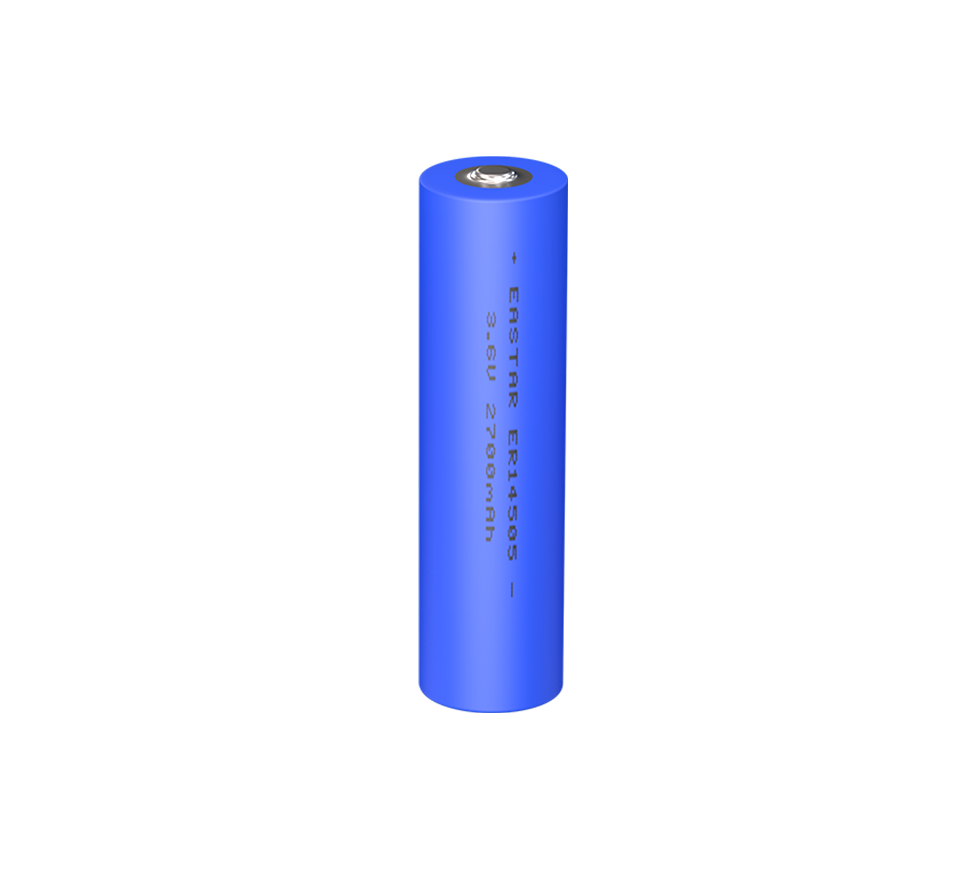
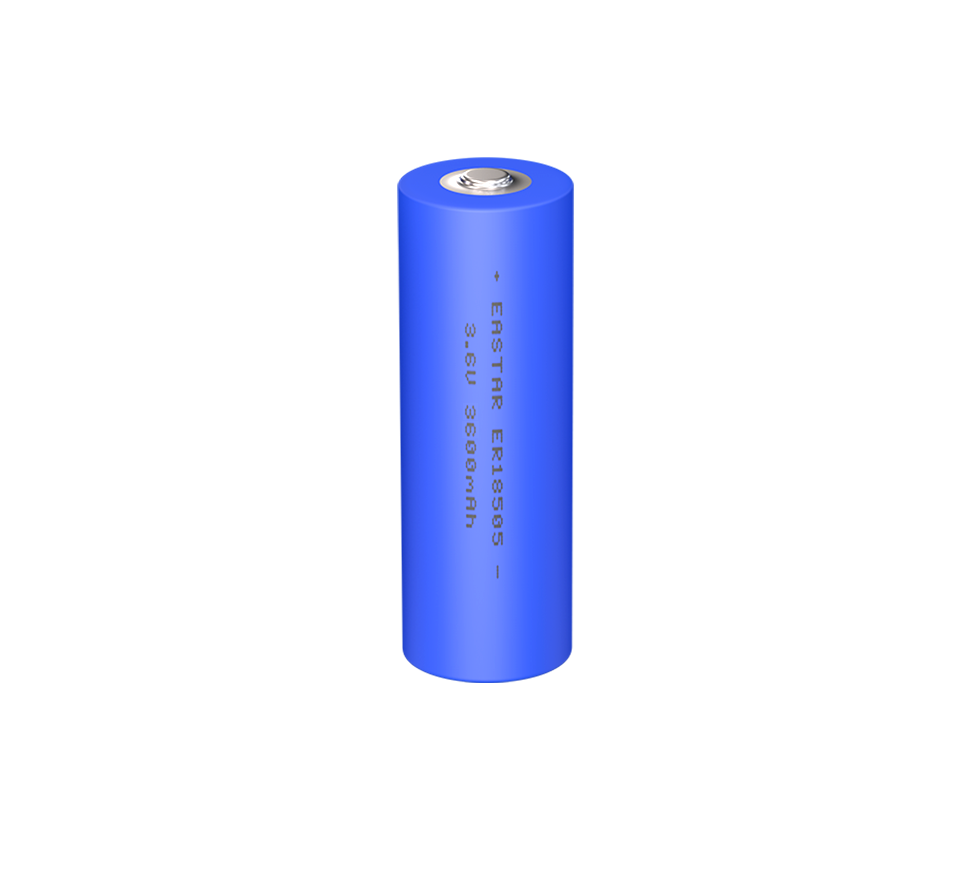
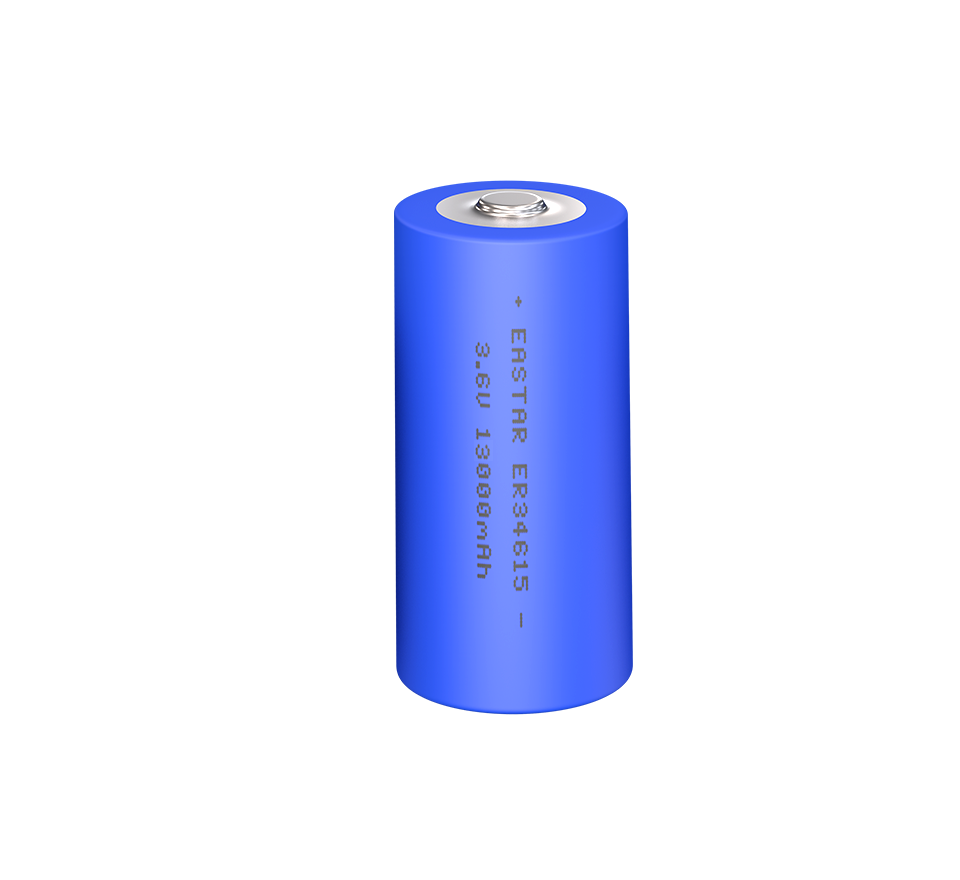
**(1) Lithium Thionyl Chloride (Li-SOCl₂) Batteries**

  • Voltage: 3.6V (single-cell).
  • Capacity: 1200–2400mAh (5–10 years lifespan).
  • Advantages:
    • Ultra-Low Self-Discharge: <1% per year, ideal for long-term use.
    • Extreme Temperature Tolerance: -40°C to +125°C (withstands tire environments).
  • Use Cases:
    • Passenger Vehicle TPMS: Integrated into valve stems or wheel hubs (direct TPMS).
    • Commercial Vehicles: High-vibration, heavy-load applications.


**(2) Lithium Manganese Dioxide (Li-MnO₂) Batteries**

  • Voltage: 3V (CR series).
  • Capacity: 500–1200mAh (3–7 years lifespan).
  • Advantages:
    • High Pulse Current: Supports RF signal transmission (315/433MHz).
    • Cost-Effective: Suitable for economy-class vehicles.
  • Drawbacks: Faster capacity decay in high temperatures (>85°C).


**(3) Solid-State Lithium Batteries** (Experimental)

  • Voltage: 3.6V.
  • Capacity: 2000–5000mAh (projected 10–15 years lifespan).
  • Advantages:
    • Leak-Proof: Solid electrolytes resist vibration-induced damage.


2. Performance Comparison


Battery TypeLifespanTemperature RangeBest For
Li-SOCl₂5–10 years-40°C to +125°CPremium vehicles, harsh conditions
Li-MnO₂3–7 years-30°C to +85°CEconomy models, mild climates
Solid-State Lithium10–15 years (est.)-40°C to +150°CFuture high-durability designs


3. Key Design Challenges


  1. Vibration & Shock Resistance:
    • Solution: Potting with epoxy resins to secure battery and PCB.
  2. Power Efficiency:
    • Sleep Mode: <5µA current draw; <10mA during RF transmission.
  3. Environmental Sealing:
    • IP6K9K Protection: Prevents moisture, dust, and chemical ingress.


4. Maintenance & Replacement


  • Non-Replaceable Design: Most TPMS batteries are sealed; full sensor replacement is required.
  • Low-Voltage Alerts: Triggered at <2.8V via vehicle dashboard warnings.
  • E-Waste Compliance: Follow RoHS standards for safe disposal.


5. Case Studies (Generic Applications)


  1. Passenger Vehicle Direct TPMS:
    • Battery: 3.6V 1900mAh Li-SOCl₂ (10-year lifespan, -40°C to +125°C).
    • Features: Real-time pressure/temperature monitoring with RF transmission.
  2. Heavy-Duty Truck TPMS:
    • Battery: 3V 1200mAh Li-MnO₂ (7-year lifespan, high-vibration resistance).
  3. Experimental Battery-Free TPMS:
    • Energy Harvesting: Kinetic or thermal energy from tire rotation (prototype stage).


6. Future Trends


  1. Battery-Free Solutions:
    • Piezoelectric/Thermoelectric Harvesting: Self-powered sensors using tire motion or heat.
  2. Ultra-Low-Power Communication:
    • BLE 5.0/LoRa: Extends battery life and enables vehicle-to-everything (V2X) connectivity.
  3. Biodegradable Components:
    • Eco-friendly materials for reduced environmental impact.