GPS Devices

Date:2025-03-21 Views:189

Battery Applications in GPS Devices


GPS devices, ranging from handheld trackers to vehicle navigation systems, rely on batteries for longevity, rugged performance, and energy efficiency to ensure continuous location tracking. Below is a detailed breakdown of battery technologies, use cases, and design considerations for GPS-powered systems:


1. Common Battery Types


**(1) Lithium-Ion (Li-ion) Batteries**

  • Voltage: 3.7V (single-cell) or 7.4V (dual-cell).
  • Capacity: 1000–5000mAh (8–72 hours runtime).
  • Advantages:
    • High Energy Density: Supports high-drain features like live tracking and 4G connectivity.
    • Fast Charging: USB-C PD (e.g., 0–80% in 1 hour).
  • Use Cases:
    • Handheld GPS Units: Garmin eTrex, outdoor navigation.
    • Vehicle Trackers: Fleet management systems.


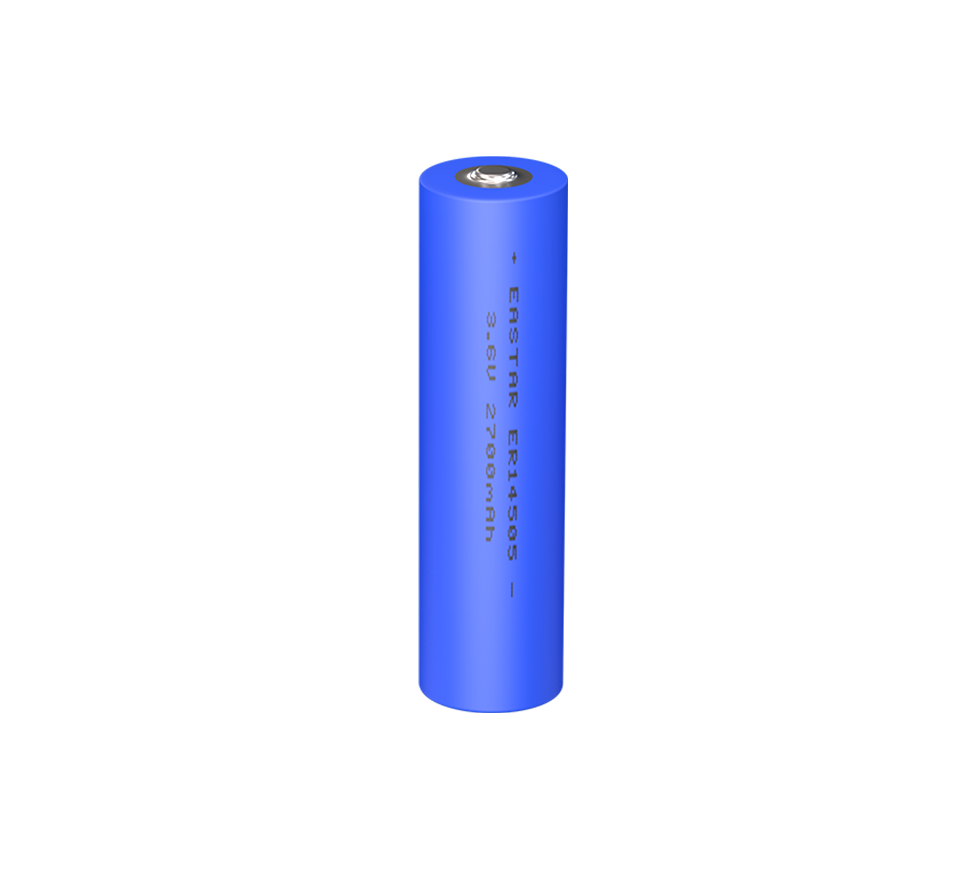
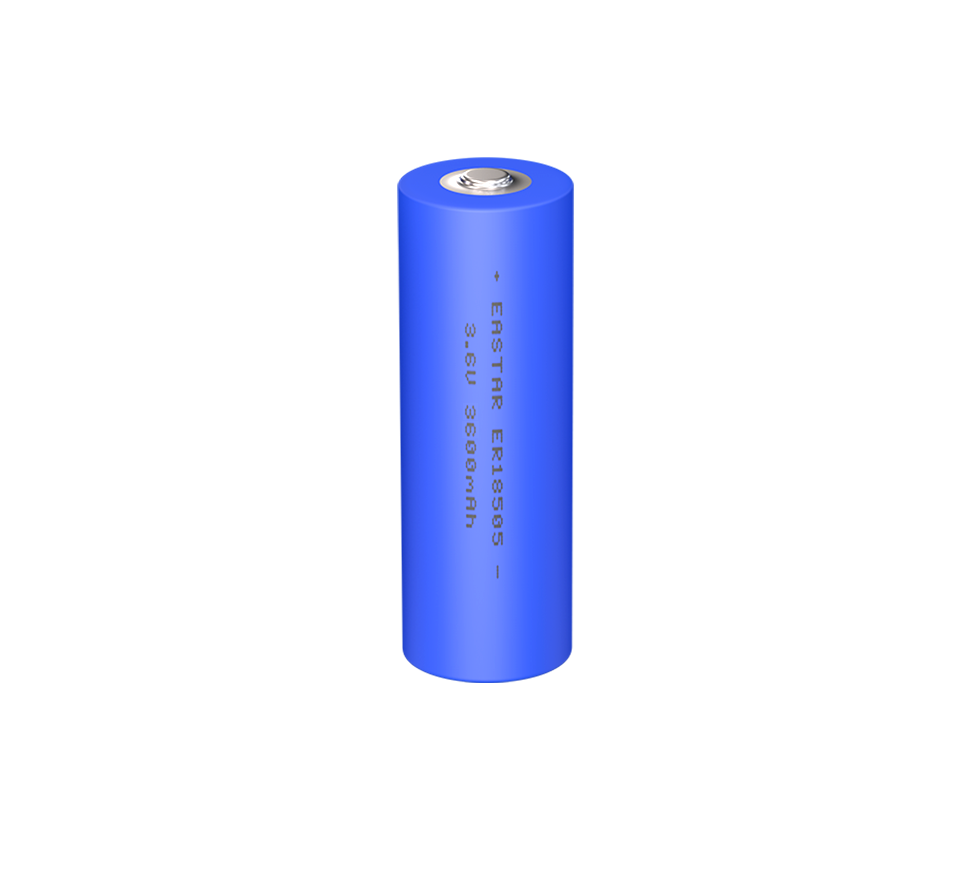
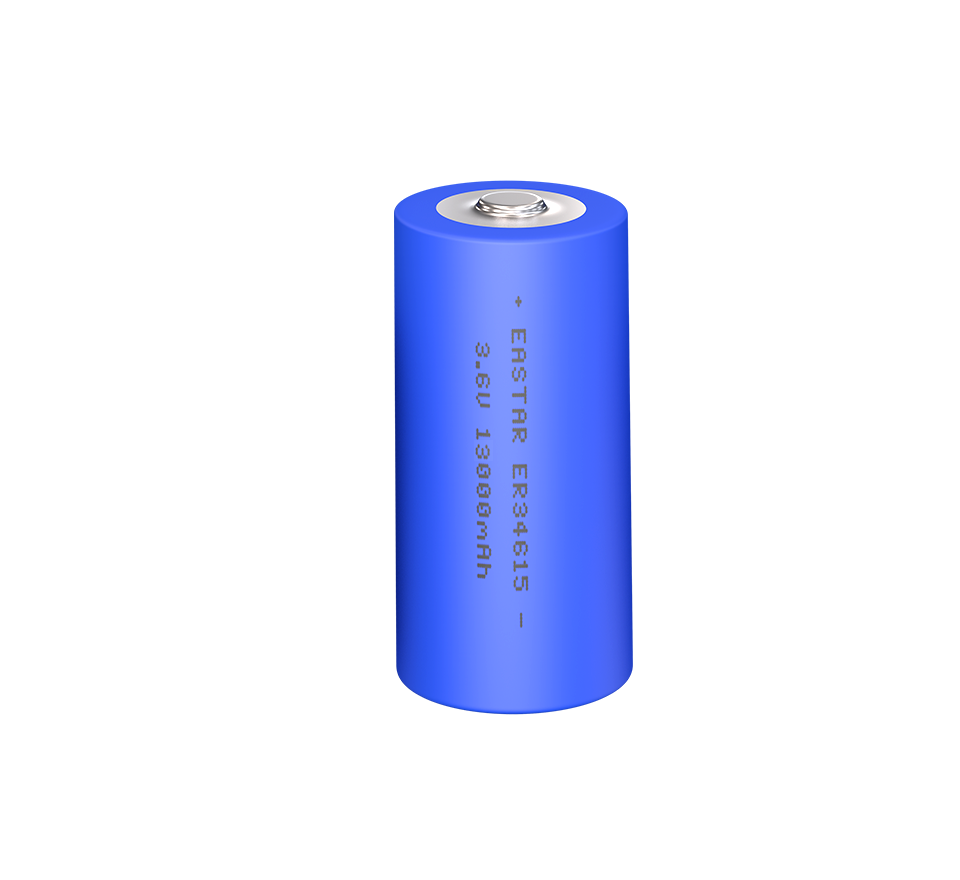
**(2) Lithium Thionyl Chloride (Li-SOCl₂)**

  • Voltage: 3.6V.
  • Capacity: 10,000–20,000mAh (5–10 years standby).
  • Advantages:
    • Ultra-Low Self-Discharge: <1% per year.
    • Extreme Temperature Range: -55°C to +85°C.
  • Use Cases:
    • Asset Trackers: Shipping containers, industrial equipment.
    • Emergency Beacons: Satellite SOS devices (e.g., SPOT Gen4).


**(3) Lithium Coin Cells (CR2032/CR2450)**

  • Voltage: 3V.
  • Capacity: 200–620mAh (6–24 months standby).
  • Advantages:
    • Compact Size: Fits ultra-slim wearables (e.g., pet trackers).
  • Drawbacks: Limited to low-power GPS modules.


2. Performance Comparison


Battery TypeRuntimeBest ForKey Features
Li-ion8–72 hoursActive tracking, navigationFast charging, high capacity
Li-SOCl₂5–10 years standbyLong-term asset monitoringExtreme temps, ultra-low discharge
Coin Cells6–24 monthsWearables, pet trackersCompact, lightweight


3. Key Design Challenges


  1. Power Efficiency:
    • GPS Chipsets: Reduce idle power (e.g., <5mA in sleep mode).
    • 4G/LTE Connectivity: Draws 50–300mA; requires smart duty cycling.
  2. Environmental Durability:
    • IP67/IP68: Waterproofing for outdoor/harsh environments.
    • MIL-STD-810G: Shock/vibration resistance for military-grade trackers.
  3. Heat Management:
    • Thermal Pads: Dissipate heat from high-drain components.


4. Maintenance & Optimization


  • Battery Saver Modes:
    • Reduce GPS polling frequency during inactivity.
  • Solar Integration:
    • 2–5W panels extend runtime for off-grid devices (e.g., wildlife trackers).
  • Replacement:
    • Li-SOCl₂ batteries are non-replaceable; device retirement after lifespan.


5. Case Studies (Generic Applications)


  1. Wildlife Tracking Collar:
    • Battery: 3.6V 19,000mAh Li-SOCl₂ (10-year lifespan, solar-assisted).
    • Features: Geolocation + temperature sensors.
  2. Fleet Vehicle Tracker:
    • Battery: 3.7V 3000mAh Li-ion (72-hour runtime, 4G LTE).
  3. Personal Wearable Tracker:
    • Battery: CR2450 (3V, 620mAh, 12-month lifespan).


6. Future Trends


  1. Energy Harvesting:
    • Solar/Kinetic: Self-charging via motion or ambient light (e.g., hikers’ GPS watches).
  2. Solid-State Batteries:
    • Safer, higher-capacity cells for compact trackers.
  3. AI-Optimized Power Use:
    • Predictive algorithms to balance tracking accuracy and battery life.