Emergency lights rely on batteries to provide stable, long-lasting illumination during power outages. Their batteries must meet high capacity, extended lifespan, and wide temperature tolerance, catering to residential, commercial, and industrial scenarios. Below is a detailed technical breakdown:
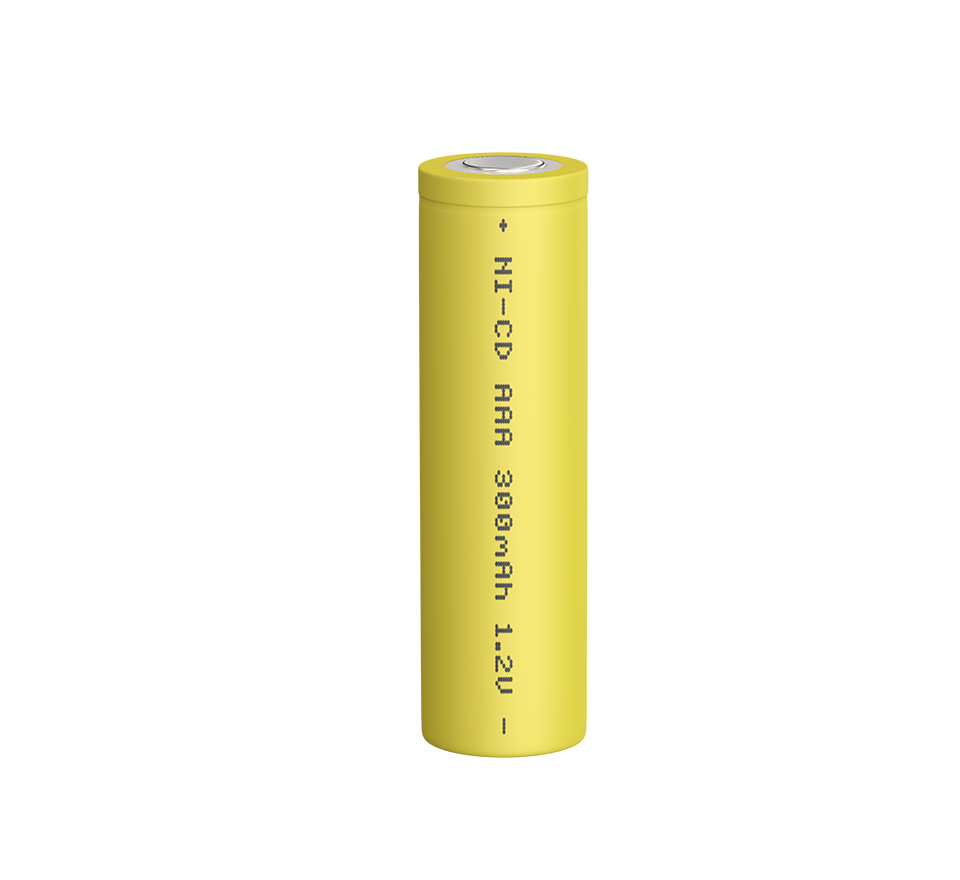
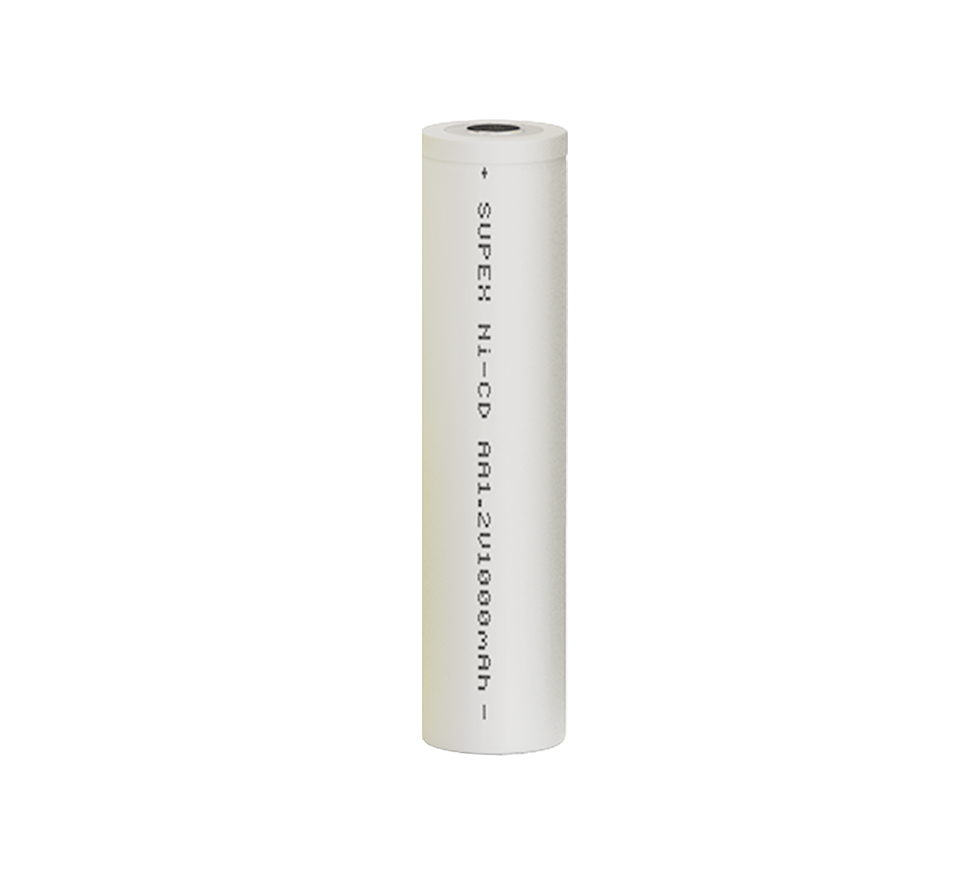
• Voltage: 1.2V (typically 6V/12V in series).
• Capacity: 2000–5000mAh (1–3 hours runtime).
• Advantages:
• High-Temperature Resistance: Operates at -20°C to +60°C, ideal for industrial environments.
• Long Cycle Life: 500 charge cycles (~5 years).
• Applications:
• Explosion-proof emergency lights in factories and warehouses.
• Voltage: 3.7V (single cell) or 7.4V (dual cells).
• Capacity: 3000–10000mAh (2–5 hours runtime).
• Advantages:
• High Energy Density: Lightweight for portable emergency lights.
• Low Self-Discharge: Retains 80% charge after 1 year of storage.
• Applications:
• Household LED emergency lights, exit signs.
• Voltage: 6V/12V.
• Capacity: 5–20Ah (3–8 hours runtime).
• Advantages:
• Cost-Effective: Suitable for centralized systems.
• High Current Output: Supports multiple lights in parallel.
• Applications:
• Backup lighting in hospitals, office buildings.
| Battery Type | Runtime | Capacity | Best For |
|---|---|---|---|
| Ni-Cd | 1–3 hours | 2000–5000mAh | Industrial/harsh environments |
| Li-ion | 2–5 hours | 3000–10000mAh | Portable/household units |
| SLA | 3–8 hours | 5–20Ah | Large-scale backup systems |
Regulatory Compliance:
• Meet IEC 60598-2-22 (global) or NFPA 101 (U.S.) standards requiring ≥90 minutes of runtime.
• Failure Signs: Dimming lights, erratic charging indicators.
• Replacement Steps:
Replace batteries (match voltage/polarity) and reset the BMS chip (for smart lights).
• Eco Disposal: SLA batteries require certified recycling to prevent lead pollution.
Industrial Explosion-Proof Light:
• Battery: Ni-Cd (6V, 4000mAh, IP67-rated).
• Function: Hazardous area lighting in chemical plants.
Hydrogen Fuel Cells:
• Experimental systems with 72-hour runtime for disaster zones.