Multimeter

Date:2025-03-21 Views:111

Battery Applications in Multimeters: Key Technologies & Trends


1. Common Battery Types


(1) 9V Alkaline/Carbon-Zinc Batteries

  • Models: 6LR61 (alkaline), 6F22 (carbon-zinc).
  • Voltage: 9V.
  • Capacity:
    • Alkaline: 550–600mAh (~200 hours runtime).
    • Carbon-zinc: 400–450mAh (lower cost but prone to leakage).
  • Applications:
    • Handheld digital multimeters (e.g., Fluke 101, UNI-T UT139C).
    • Units with backlight or data logging requiring stable voltage.


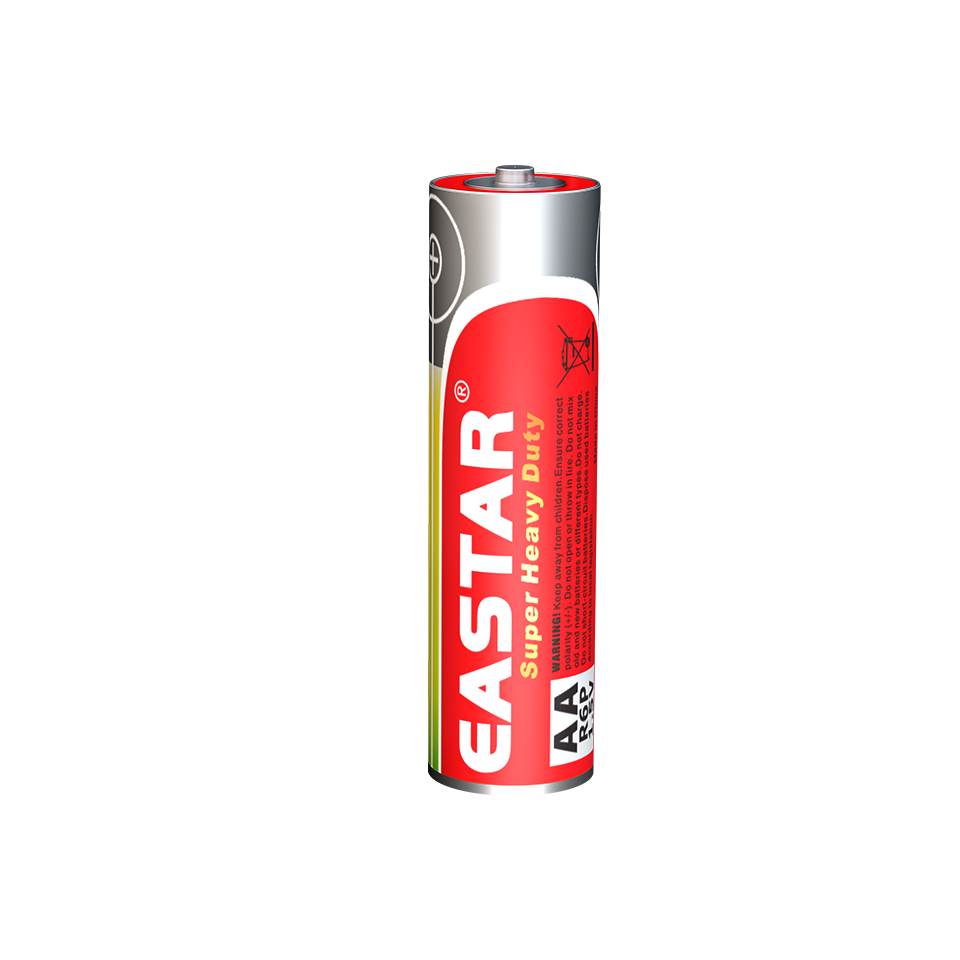
(2) AA/AAA Batteries

  • Voltage: 1.5V per cell.
  • Capacity:
    • AA Alkaline: 2000–3000mAh.
    • AAA Alkaline: 800–1200mAh.
  • Advantages: Widely available, easy to replace.
  • Usage:
    • Low-power basic multimeters (e.g., UNI-T UT33).
    • Configurations: 2×AA or 4×AAA for higher voltage.


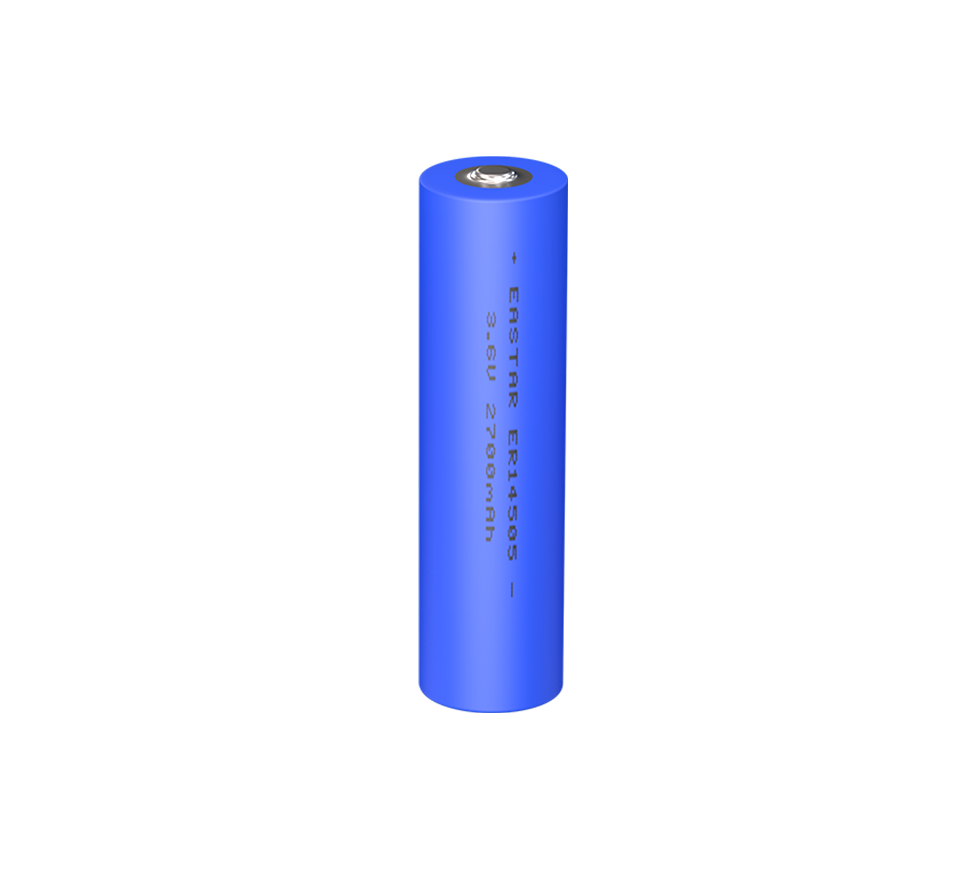
(3) Rechargeable Lithium Batteries

  • Types:
    • 9V LiFePO₄ (3.2V, 500+ cycles).
    • 14500 Li-ion (3.7V, requires voltage step-down adapters).


  • Benefits:
    • Eco-friendly, cost-effective long-term.
    • USB charging support (e.g., Fluke 289 with Li-ion packs).


2. Critical Battery Selection Criteria

ParameterRequirementImpact
Voltage Stability<5% fluctuationEnsures measurement accuracy.
Self-Discharge Rate<2%/year (Li-ion), <10%/year (alkaline)Reliable after storage.
Temperature Range-20°C to +50°CSuits outdoor/industrial use.
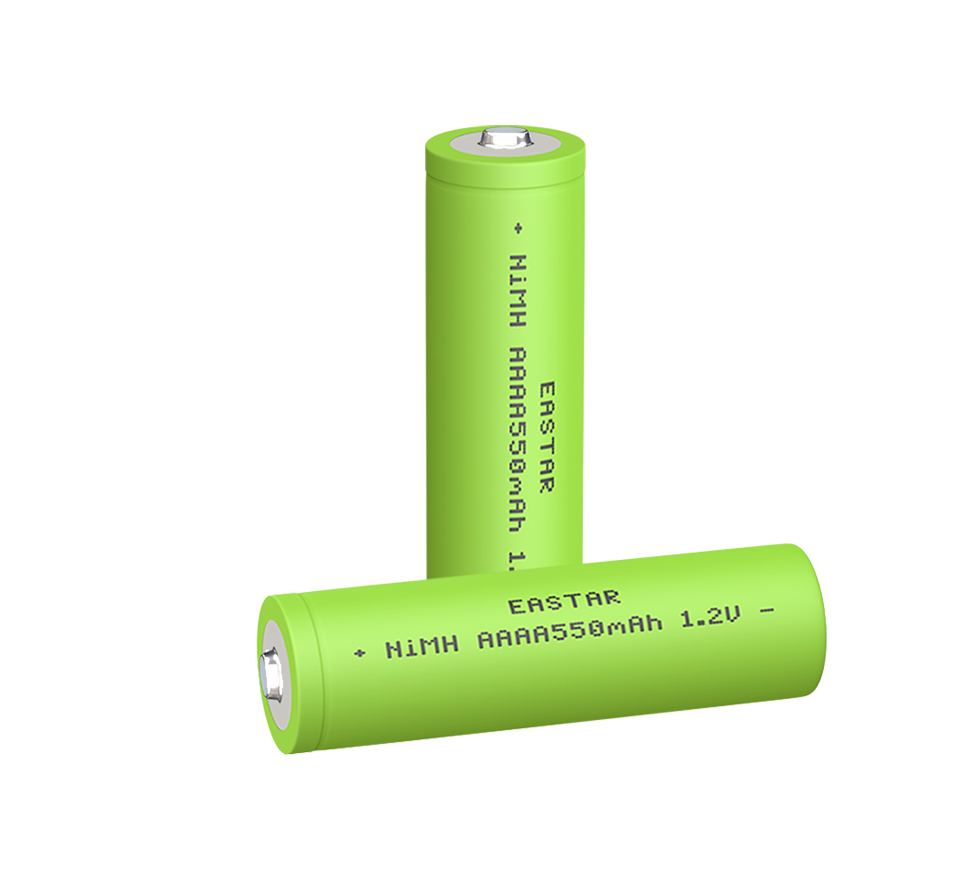
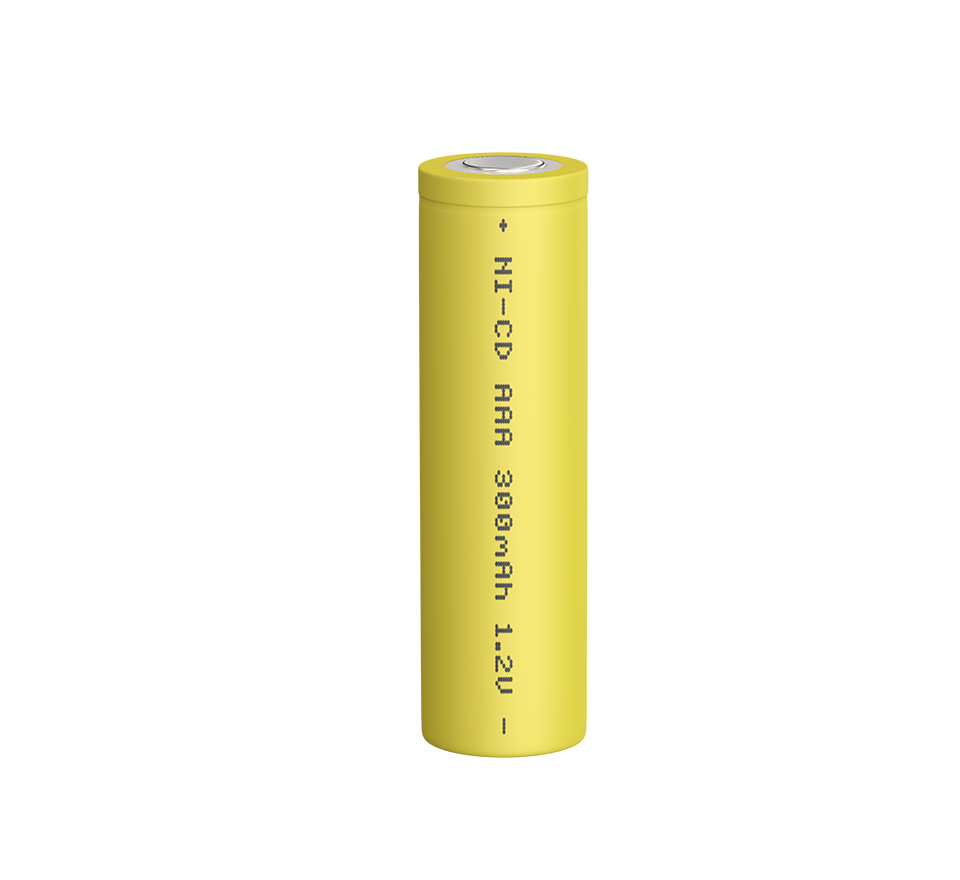
Leakage ResistanceLithium/NiMH preferredProtects internal circuits.


3. Common Issues & Fixes


(1) Battery Leakage & Corrosion

  • Cause: Carbon-zinc batteries left installed or exposed to heat.
  • Solution:
    • Clean contacts with vinegar or lemon juice.
    • Replace with alkaline/lithium batteries.


(2) Rapid Drainage

  • Check:
    • Backlight/auto-off settings.
    • High-power modes (e.g., continuity testing).
  • Optimization:
    • Use low-self-discharge batteries (e.g., Energizer Lithium).
    • Disable non-essential features (e.g., Bluetooth).


(3) Compatibility Issues

  • Problem: 3.7V Li-ion batteries incompatible with 1.5V-designed multimeters.
  • Fix:
    • Use step-down adapters (e.g., dummy AA converters).
    • Opt for LiFePO₄ (3.2V) for safer voltage matching.


4. Maintenance & Best Practices


  • Testing: Check battery level quarterly (use multimeter’s low-battery indicator).
  • Storage: Remove batteries if unused for >1 month.
  • Recycling: Dispose of lithium/NiCd batteries per local e-waste regulations.


5. Future Trends


  1. USB-C Integration:
    • Direct USB power bypasses batteries (e.g., Brymen BM869S).
  2. Solar-Assisted Charging:
    • Hybrid solar panels for outdoor multimeters (prototype stage).
  3. Supercapacitor Buffers:
    • Support peak current surges in high-precision sampling.