Underground Mining Lighting

Date:2025-03-21 Views:186

Battery Applications in Underground Mining Lighting Tools


Underground mining lights demand high safety, durability, and extreme environmental resistance. Below is a breakdown of battery technologies, performance criteria, and compliance for mining lighting systems.


1. Common Battery Types


**(1) Lithium Iron Phosphate (LiFePO₄)**

  • Voltage: 3.2V per cell (12.8V–25.6V packs).
  • Capacity: 10–20 Ah (supports 8–24 hours runtime).
  • Key Features:
    • Explosion-Proof: Stable chemistry, no thermal runaway.
    • Wide Temperature Range: -30°C to +60°C operation.
    • Long Cycle Life: 2,000+ cycles (5–7 years in mining use).
  • Applications:
    • Cap Lamps: IP68-rated headlamps (e.g., Koehler BrightStar XPR).
    • Area Lighting: High-lumen LED arrays for tunnel illumination.

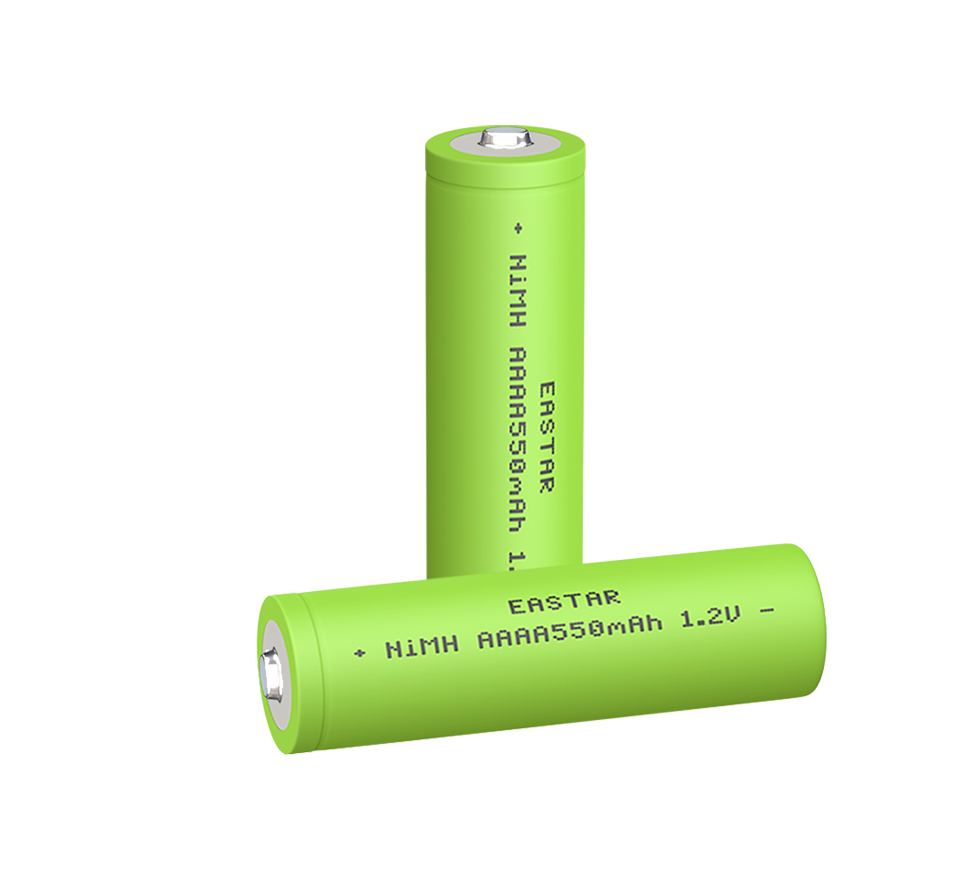
**(2) Nickel-Metal Hydride (NiMH)**

  • Voltage: 1.2V per cell (14.4V–24V packs).
  • Capacity: 8–15 Ah.
  • Pros:
    • Lower Toxicity: Safer than NiCd for confined spaces.
    • Cost-Effective: Budget-friendly for temporary setups.
  • Cons:
    • Self-Discharge: Loses 15–20% charge monthly.
  • Use Cases: Backup lighting in non-EX zones.

**(3) Lithium-Ion (Li-ion) with Safety Mods**

  • Voltage: 3.7V per cell (18V–36V packs).
  • Capacity: 5–15 Ah.
  • Modifications:
    • Intrinsic Safety (IS): Flameproof casing, current-limiting circuits.
    • Certifications: ATEX, IECEx, MSHA compliance.
  • Applications:
    • Portable Work Lights: Hazardous zone (Zone 0/1) approved.


2. Performance Comparison


Battery TypeEnergy Density (Wh/kg)Cycle LifeSafety ComplianceBest For
LiFePO₄90–1202,000+ATEX, IECExExplosive atmospheres
NiMH60–80500–800MSHA (non-EX zones)Backup lighting
Li-ion (IS)150–2001,000–1,500ATEX/IECEx (modified)High-performance mobile lights


3. Key Design Considerations


  • Explosion Protection:
    • IS Certification: Batteries must prevent sparks/overheating (e.g., ATEX Directive 2014/34/EU).
    • Sealed Housings: IP68 rating to resist dust, water, and methane exposure.
  • Runtime & Recharging:
    • Fast Charging: 2–4 hours for LiFePO₄ packs (e.g., Strata Safety Systems).
    • Hot-Swappable Packs: Minimize downtime in continuous mining operations.
  • Temperature Management:
    • Built-in thermal sensors to disable charging in >50°C conditions.


4. Maintenance & Compliance


  • Testing: Monthly capacity checks and terminal inspections for corrosion.
  • Storage: Keep at 20–40% charge in dry, ventilated areas.
  • Recycling: LiFePO₄/NiMH batteries must follow EU Battery Directive 2006/66/EC.


5. Future Trends


  1. Smart Battery Systems:
    • Wireless health monitoring via Bluetooth (e.g., tracking cycle count in real time).
  2. Solar Hybrid Charging:
    • Integrated solar panels for remote mining camps.
  3. Solid-State Batteries:
    • Non-flammable alternatives for Zone 0 applications (prototype stage).